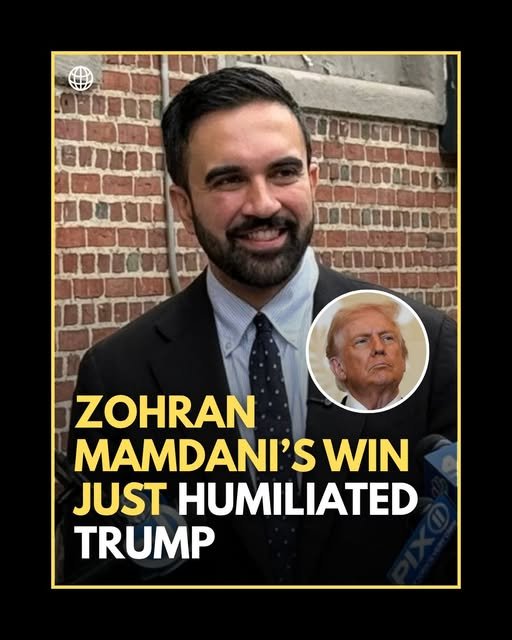
The election of Zohran Mamdani as Mayor of New York City will be studied by political strategists for years to come. It was a victory achieved against a well-funded establishment candidate and in the face of direct opposition from Donald Trump. A closer look reveals that Mamdani’s win was not a fluke but the result of a disciplined strategy built on four key pillars that effectively neutralized his opponents’ advantages.
The first pillar was the masterful mobilization of a new electoral coalition. Mamdani’s campaign understood that traditional voter turnout models were insufficient. They integrated their political operation with cultural touchpoints—using DJs, memes, and social media challenges—to engage Gen Z and millennial voters on their own turf. This transformed campaigning from a chore into a cause, generating an organic energy that polls struggled to measure and opponents could not replicate.
Secondly, the campaign expertly reframed the race around pocketbook issues. While his opponents and Donald Trump tried to paint him as an ideological radical, Mamdani consistently steered the conversation back to concrete proposals like rent freezes and free buses. This made his platform relatable and tangible to voters fatigued by inflation, effectively insulating him from charges of being an out-of-touch extremist. He made the election about economics, not labels.
The third pillar was capitalizing on an exhausted political brand. His main Democratic opponent, Andrew Cuomo, represented a return to a top-down, transactional style of politics that many New Yorkers had grown tired of. Mamdani positioned himself as the authentic alternative to this worn-out model. His status as an outsider, once a weakness, became his greatest strength in a year where voters craved genuine change.
Finally, the campaign brilliantly leveraged Trump’s attacks as a strategic asset. Rather than shy away from the former president’s incendiary comments, they used them to galvanize their base and illustrate the stark choice before the city. Trump’s threats to defund New York were framed as bullying, and his personal insults came across as petty and unpresidential. This allowed Mamdani to rise above the fray, presenting himself as the adult in the room focused on solving problems, not creating them.