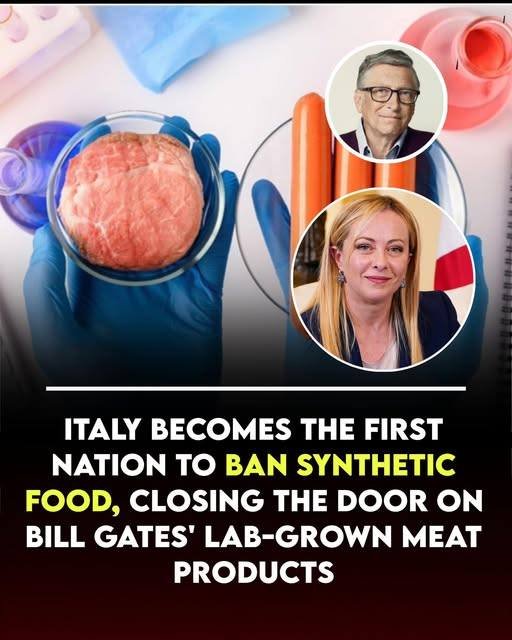
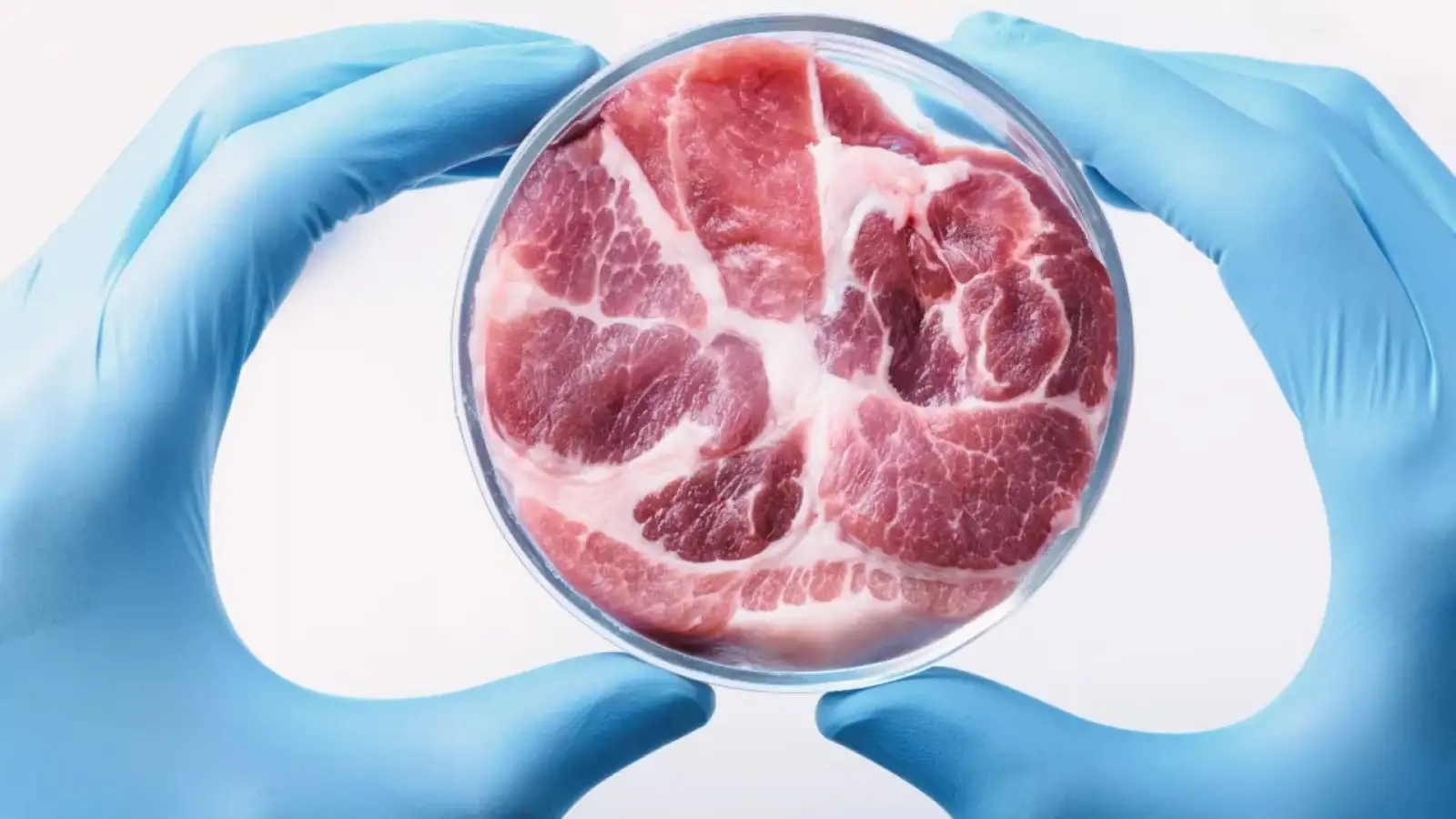
Italy has made a definitive and controversial choice, positioning itself as the global guardian of traditional food by banning lab-grown meat. The new law is a direct response to the accelerating development of cellular agriculture, a field that promises to grow real meat from animal cells without the animal. For Italy, this promise is perceived as a threat. The ban is less about the science itself and more about what that science represents: a potential disconnect between food, land, and legacy. In doing so, Italy has ignited a fiery debate on the true meaning of sustainability and progress in the 21st century.
The heart of Italy’s argument beats in its countryside. The government and supporting agricultural groups, like Coldiretti, present the ban as a defense of the Italian way of life. They envision a slippery slope where synthetic proteins could eventually confuse consumers, dilute brand value, and undercut farmers who adhere to strict, often slower, traditional methods. This is framed as a matter of economic justice and cultural preservation. The law sends a message that in Italy, food quality is synonymous with geographic origin, artisanal skill, and natural processes—values that a lab, no matter how advanced, cannot replicate.
A significant pillar of the ban is the precautionary principle regarding public health. Italian officials consistently point to the unknown long-term consequences of consuming cell-cultured meat. While the industry is working through regulatory approval processes in other regions, Italy has chosen not to wait. The stance is that the integrity of the food supply is paramount, and introducing such a radically novel product requires a level of certainty that currently does not exist. This reflects a consumer-first philosophy that prioritizes established safety records over disruptive innovation.
Opponents of the ban, however, see a missed opportunity and a failure of vision. They argue that climate change and population growth demand that we explore every available tool to create a more sustainable food system. Lab-grown meat, they contend, is not meant to eradicate the Chianina cattle breed or Parmigiano-Reggiano, but to provide a complementary, low-impact protein source for a growing global population. By outright banning it, critics say Italy is engaging in protectionism disguised as cultural defense, potentially hindering a technology that could alleviate pressure on the environment and improve animal welfare on a planetary scale.
The global impact of Italy’s decision is already unfolding. For the cultured meat industry, it closes a major European market and sets a challenging political precedent. For other countries, it provides a clear template for resistance, potentially rallying other nations with powerful agricultural lobbies. Conversely, it may galvanize supporters of food tech to advocate more fiercely for streamlined approvals elsewhere. Italy hasn’t just banned a product; it has forced the world to choose a side in a fundamental conflict between the past and the future of food. The echo of this decision will resonate in policy debates, boardrooms, and dining tables for years to come.