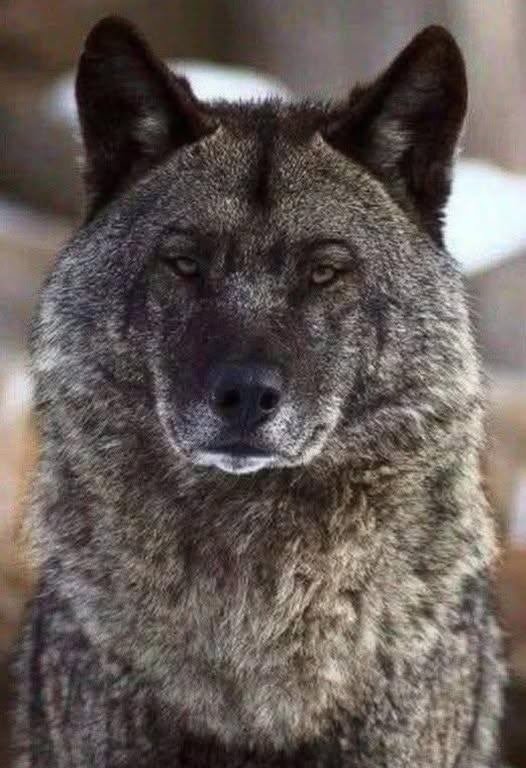
Across cultures, the wolf has been branded a symbol of menace, its howl a portent of danger. But this characterization is a profound misreading. Peel back the layers of folklore, and you find an animal whose life is a blueprint for loyalty, resilient strength, and communal honor. The wolf is not a monster from the dark woods; it is a devoted parent, a faithful partner, and a dignified soul whose existence refines our understanding of what it means to be truly strong.
Perhaps the most touching aspect of wolf behavior is their approach to partnership and loss. Mated for life, a pair operates as a unified force. When death claims one, the survivor often retreats into solitude, carrying the weight of that absence. This choice is not about being unable to continue, but about unwillingness to disregard a bond that defined its world. It is a form of fidelity that challenges our own often-disposable connections, illustrating that some ties are so fundamental they become part of one’s identity.
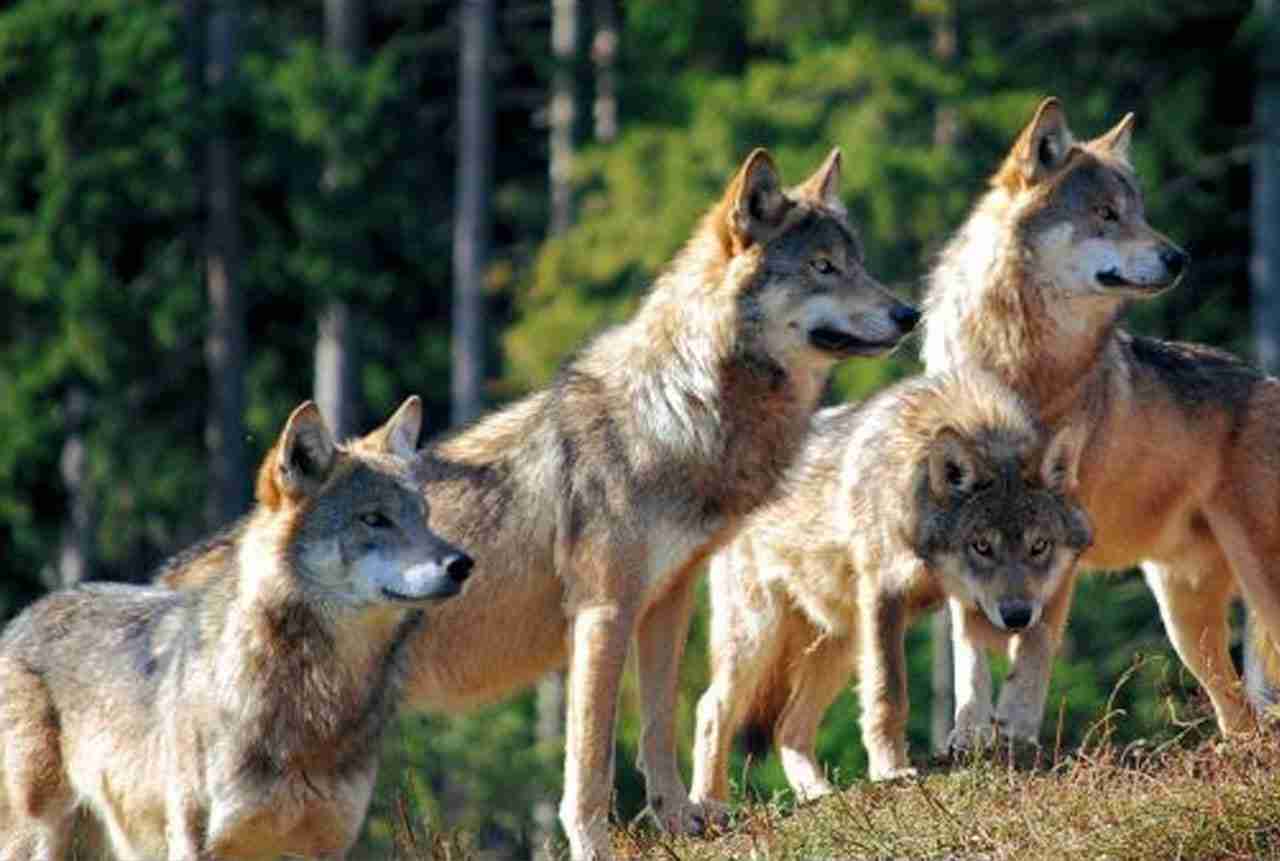
Within the pack, this devotion becomes the foundation of society. The pack is a family, and its success depends on every member’s commitment to the whole. The alpha leads through a balance of strength and judicious care, ensuring the well-being of all. Remarkably, this care extends full circle. Adult offspring will provide for aging parents, bringing them food and offering protection. This practice of reciprocal duty—caring for those who once nurtured you—reveals a sophisticated ethical framework based on memory, gratitude, and collective survival.
There is also a stark nobility in how a wolf faces mortality. Legend and observation suggest that a cornered wolf will meet its end not with a whimper or blind rage, but with a steady, unblinking gaze. This is the final act of a creature that has lived by its own code. It is an acceptance, a final display of courage that says it has nothing to regret. This composure in the face of the inevitable is perhaps the ultimate expression of its wild honor.
Re-evaluating the wolf moves us from fear to respect. Its life argues that the fiercest hearts are often the most loyal, that the strongest communities care for their weakest, and that true freedom lies in living—and dying—authentically. The wolf is no fairy-tale villain. It is a guardian of its own, a teacher of silent virtues, and a symbol that the wildest things can also be the most honorable.