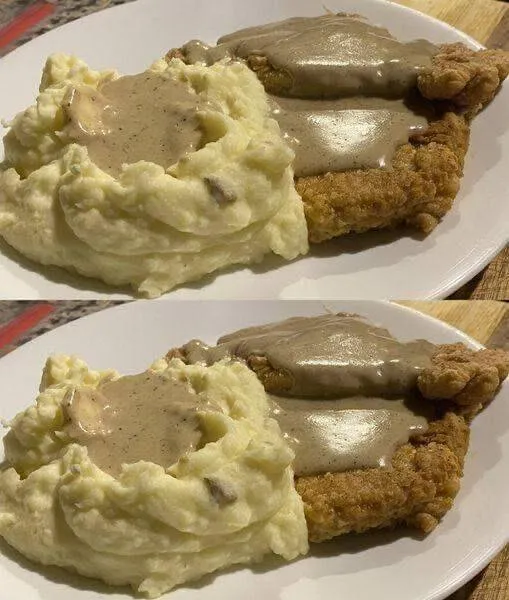
In many family kitchens, the most cherished recipes aren’t written down; they’re passed along with a knowing smile and a simple, brilliant tip. One such gem challenges the most basic step in making mashed potatoes. Why boil in bland water when you could simmer in something savory and rich? The old-fashioned trick is to cook your potatoes in milk. This isn’t a modern chef’s twist; it’s a return to a time-honored practice that yields a comfort food with unparalleled depth and silkiness.
The science of it is as satisfying as the taste. Potatoes are composed mostly of starch and water. When heated in water, the starch granules swell and absorb that neutral liquid. When heated in milk, they swell and absorb a liquid already rich with flavor compounds and emulsifiers. This means the creamy quality is baked right into the vegetable’s structure. Furthermore, the lactose in milk caramelizes subtly during cooking, adding a faint, sweet note that balances the potato’s earthiness perfectly.
This approach also simplifies the finishing process. Because the potatoes are pre-infused with dairy richness, you often need less butter and cream added afterward to achieve the desired luxe feel. It’s a method that creates incredible flavor while also allowing for a bit of moderation. The milk’s proteins help create a stable emulsion, so your mashed potatoes stay creamy and hot without separating, making them ideal for holiday meals where timing is everything.
To bring this wisdom into your own kitchen, start with cold milk. Add your peeled and cut potatoes to the pot, then pour in enough whole milk to cover them by an inch. For an unforgettable version, replace a third of the milk with heavy cream. Add a generous pinch of salt. Slowly bring to a bare simmer and maintain it until the potatoes are tender. The slow heating prevents the milk from curdling and allows for maximum absorption.
Once cooked, drain, reserving the precious cooking liquid. Mash the potatoes with butter, then use the reserved milky liquid to thin them to the perfect consistency. You’ll achieve a smooth, glossy, and profoundly flavorful mash. This method proves that sometimes, the most impactful innovation in cooking is not about adding a new ingredient, but about rethinking the role of a very old one.