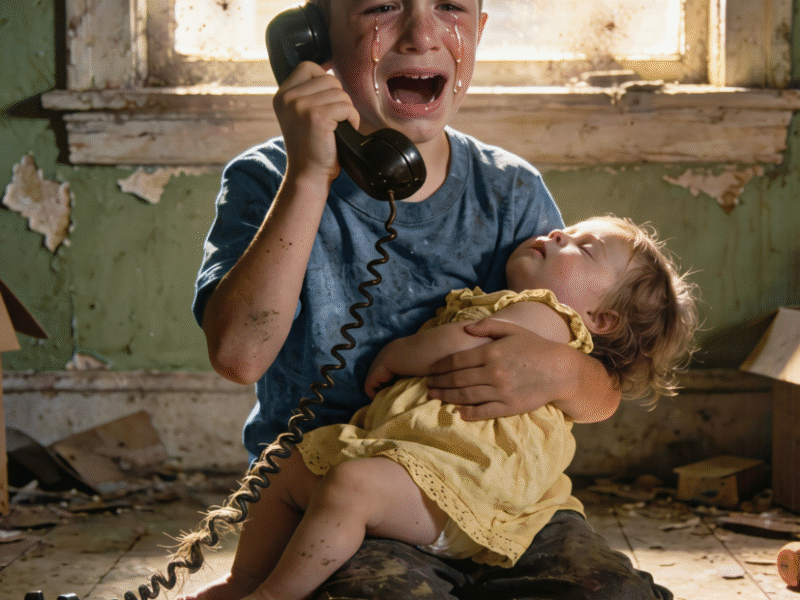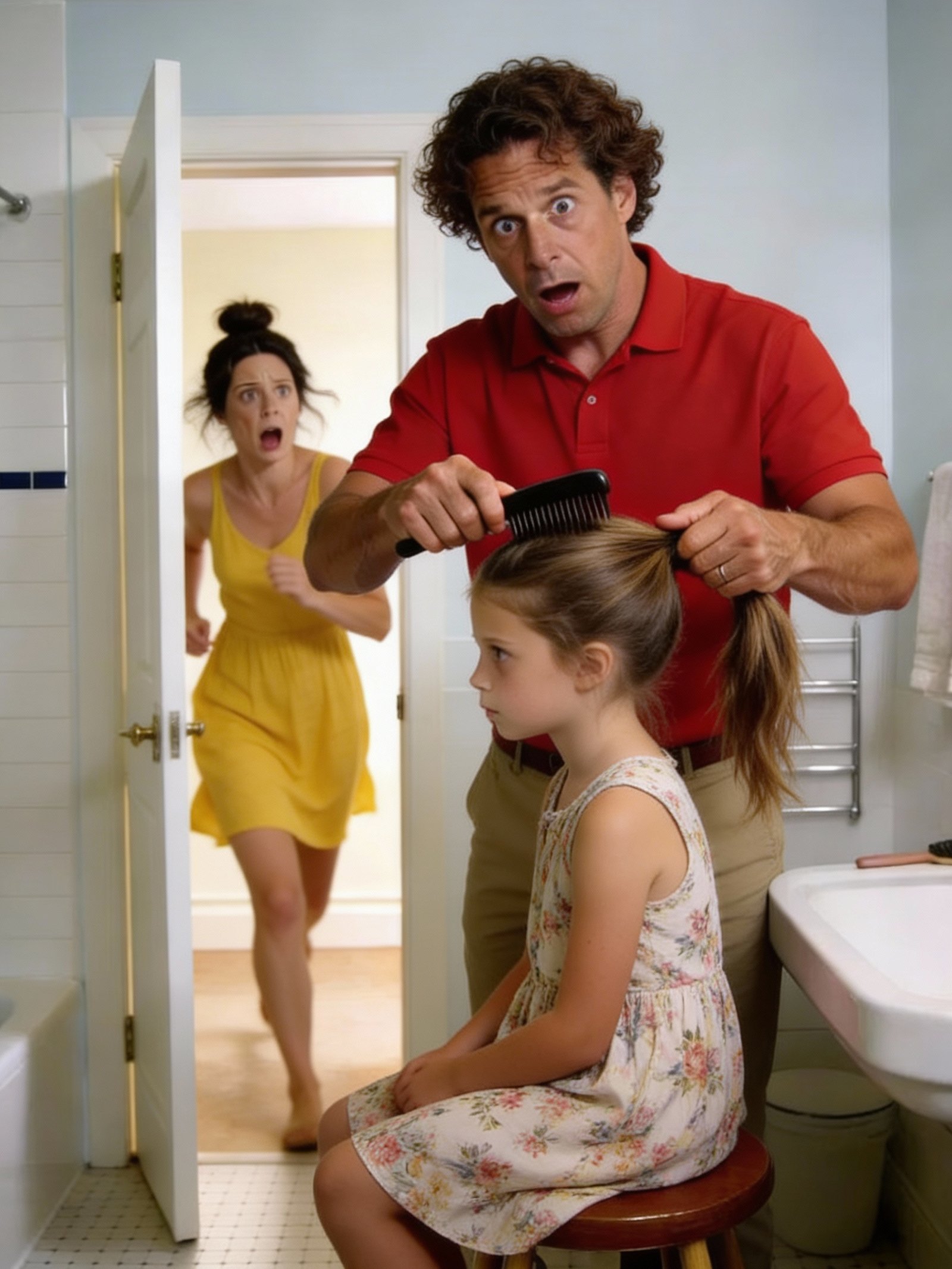
The last thing you expect during a quiet bedtime is for your world to tilt on its axis. For us, it happened as Marcus brushed our daughter Lily’s hair, his hands suddenly still. “Come here,” he whispered, his voice frayed. There, on her scalp, was a mark so precise it looked manufactured—a red circle framed by thin, even bruises. Our questions led nowhere until a knock echoed through the house. A delivery man with empty eyes held a package for Lily. He left it when we refused his clipboard, retreating to a waiting car that felt like a threat.
The package held a single, sparkly hair clip. Lily’s breath hitched. “That’s mine,” she said, explaining it had been stolen from her backpack. Then, she gave us a name—a parent from school. The friendly volunteer was a predator, and the clip was a trophy. As we watched, his car inched closer, its headlights slicing through our blinds. We became a fortress: phones, locks, hushed plans. With police on the way, Lily shared the full story—a painful “lesson” in obedience administered at school.
The sirens sent the man fleeing. The officers took our evidence, their calm professionalism a balm to our raw nerves. That night, we held Lily between us, a living barrier against the fear. The incident redefined everything. The simple act of brushing hair became an examination, every hug a silent check for new wounds. The hair clip, once a trinket, now symbolizes a breach of trust and the terrifying reality that threats can hide in plain sight. Our protection now lies in listening—not just to our child’s words, but to the terrifying silence between them, and to the instinct that sounds an alarm when something doesn’t feel right.