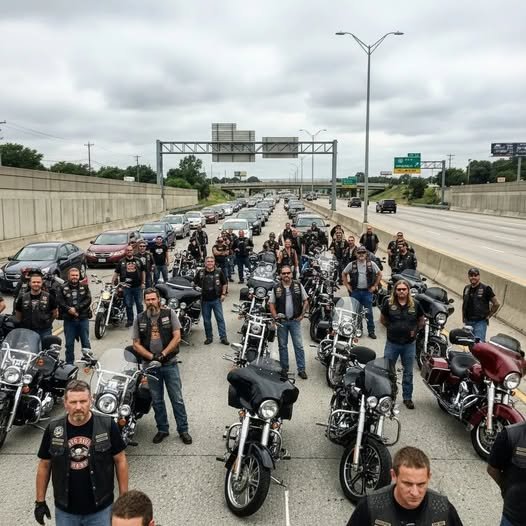
Panic is a ruthless companion. It was riding with me that morning as I sped toward a custody hearing, each tick of the clock a hammer blow to my hopes. When traffic on the interstate froze solid, blocked by what appeared to be a massive, impenetrable gathering of motorcycles, panic turned to outright fury. I was trapped. My mind painted the riders as arrogant thrill-seekers, their group ride more important than the shattered lives in the cars around them. I became unglued, shouting, honking, a prisoner of my own escalating crisis. All I could see was the barrier they represented.
My prejudice was a ready-made script: bikers were rebels, indifferent to rules and the schedules of others. This, I fumed, was the ultimate confirmation. As the standstill continued, I leapt from my car, phone in hand, intent on shaming them with a video and the authority of the police. But as I moved toward the front of the pack, the story radically changed. The bikers weren’t looking out at the traffic; they were huddled in a tight, quiet circle, their attention laser-focused on the pavement. In the center, an elderly man lay still, his face ashen.
The air, thick with the smell of exhaust and hot asphalt, was also thick with a desperate, loving urgency. Two men were performing CPR, their movements synchronized, their voices a strained chant. Another had stripped off his own jacket to pillow the man’s head. These weren’t faces of indifference; they were masks of fierce concentration and fear. A rider with a graying beard saw my recording phone and stepped toward me, not with aggression, but with exhausted clarity. “It’s Harry,” he said, as if that explained everything. “He’s a vet. Lives out here. He collapsed. We’re keeping him safe until the ambulance can get to him.”
The truth hit me like a physical blow. This wasn’t a blockade; it was a protective cordon. They had used their machines to create a stationary, secure perimeter, a makeshift emergency room on the highway where a vulnerable man wouldn’t be struck or ignored. My towering rage crumbled into dust, leaving behind a hollow pit of shame. I had been ready to vilify these men for an inconvenience, while they were literally on their knees fighting for a life everyone else had driven past for years.
The arrival of the ambulance was met not with irritation from the bikers, but with a smooth, rehearsed parting of their ranks. When the paramedics announced they had a heartbeat, a collective sob rippled through the group. Grizzled faces, etched with years of hard living, streamed with tears. They hugged each other, a brotherhood forged in a moment of raw, shared humanity. I drove to my hearing a different man—shaken, humbled, and late. I told the judge the truth, and she listened. But the real judgment had already been passed on my own soul by a group of angels in leather. They showed me that the most important appointments in life are often the ones we don’t have on our calendars, and that mercy has the right to stop traffic.