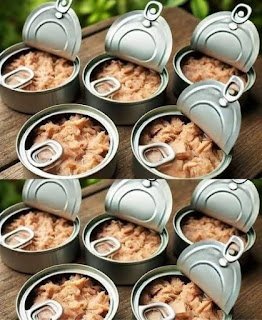
Sustainability can feel like a large, complex undertaking, but its foundation is built on small, consistent actions. One such action is looking at common household waste—like an empty tuna can—not as garbage, but as a resource. This small metal circle, often tossed without thought, is actually a versatile DIY material. By repurposing it, we actively reduce our waste stream and cultivate a mindset of creativity and conservation, all from the comfort of our own homes.
Aesthetically, these cans are wonderfully adaptable. After a good wash, they can be spray-painted in metallic gold or copper for a surprisingly elegant candle holder. Group several together on a tray for a beautiful centerpiece. For a more natural look, line the interior with a small glass votive to protect the metal from direct flame. Their planting potential is equally great. A layer of activated charcoal at the bottom helps keep soil fresh in these small planters, making them ideal for starting seedlings or housing a small aloe vera plant, a useful addition to any kitchen for minor burns.
From a practical standpoint, their utility is endless. In the workshop, they keep different grades of sandpaper organized. In the sewing room, they separate pins, needles, and buttons by color or type. For artists, they’re perfect for holding small amounts of paint or solvent for brush cleaning. You can even use them as handy drawer dividers in a toolbox or jewelry box. By attaching several to a piece of reclaimed wood, you create a custom, wall-mounted station that keeps everyday items within reach and in plain sight.
These projects are also a gateway to fun, educational activities with kids. They can decorate cans to become personalized pencil cups for the start of the school year or create mini dioramas inside them. A cleaned can, with its label removed, can be part of a lesson on materials and recycling, showing how one product’s life can be creatively extended. For small pets like birds or hamsters, a secured can (with edges smoothed) can become a shallow treat dish.
Ultimately, the act of reusing a tuna can is a gentle rebellion against a disposable culture. It’s a hands-on, satisfying project that yields immediate results, both in the form of a useful object and the knowledge that you’ve kept something out of the waste system. This simple habit reinforces a powerful idea: that living lightly on the planet is not about having less, but about using what we have more thoughtfully and imaginatively.