Beneath the hot-blooded passion of The Rocky Horror Picture Show lies a surprisingly cold truth: the film was made under conditions of genuine hardship. The glamour and heat on screen were an illusion crafted by a cast freezing in a dilapidated set, bound together by a wild, shared vision. This journey was led by Tim Curry’s fearless commitment. Already a stage veteran of the role, he didn’t merely act; he unleashed Frank-N-Furter upon the world, his boldness clear from his initial pushback on the character’s conception. He understood that the role required presence, not just a singing voice, and that conviction became the film’s north star.
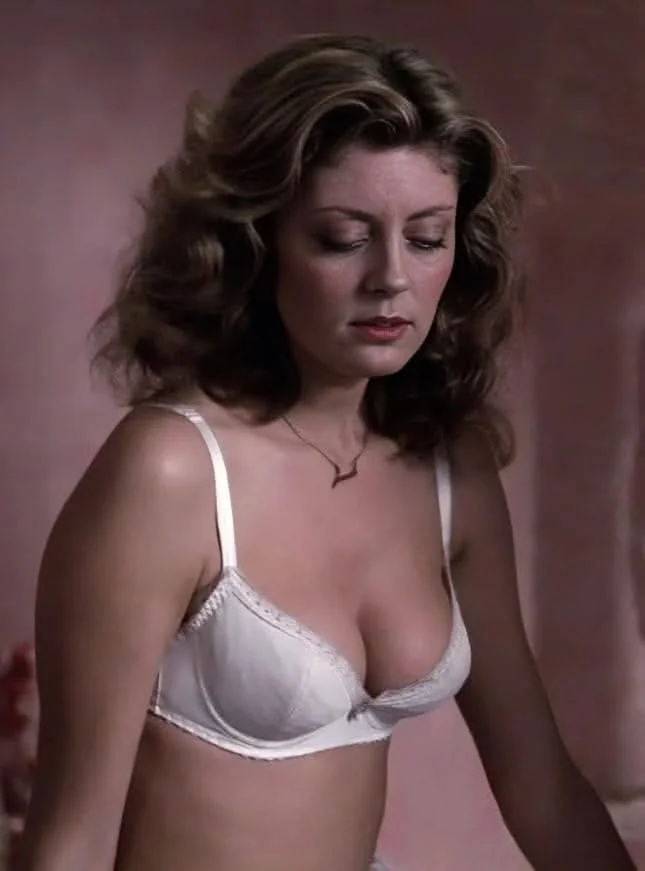
The physical toll was severe. The soundstage was more akin to a damp garage than a Hollywood set, with a leaking ceiling and a “warm room” that proved its irony by catching fire. Susan Sarandon paid a high price for her portrayal of Janet, contracting pneumonia after filming her vulnerable scenes in the relentless chill. Her refusal to let this derail filming speaks to a remarkable professionalism shared by the entire cast. Curry, for his part, battled the clock daily, dedicating four hours to makeup until he took control, applying the iconic look himself to reclaim some semblance of time and sanity.
From this adversity sprang the film’s legendary spontaneity. Some of its most iconic scenes were glorious mistakes or first-take miracles. Meat Loaf astonished everyone by perfecting “Hot Patootie” immediately. A missing door forced the hilarious and violent entrance for Dr. Scott. The intense dinner table confrontation between Brad and Janet crackles with authenticity because Barry Bostwick truly smashed Susan Sarandon’s hand, and her later retaliation was equally genuine. These weren’t errors to be edited out; they were sparks of real life that the filmmakers wisely kept, understanding they amplified the film’s anarchic energy.
The film’s astonishing journey from a troubled production to a royal favorite—adorated by Princess Diana herself—highlights its strange and powerful cultural alchemy. Yet, for the actors, this success was bittersweet, as the lucrative home video market provided them no windfall, a point of lasting disappointment. They had given their health and effort to create something that took on a life of its own, sometimes leaving them behind.
In the final analysis, The Rocky Horror Picture Show is a testament to the power of embracing chaos. Its lasting appeal isn’t in its polish, but in its palpable sense of a group of people creating something extraordinary against the odds. The cold sets, the accidents, and the sheer grit are felt in every frame, making it not just a movie to watch, but an experience to feel. It became a midnight ritual because it is, at its core, gloriously, defiantly real.