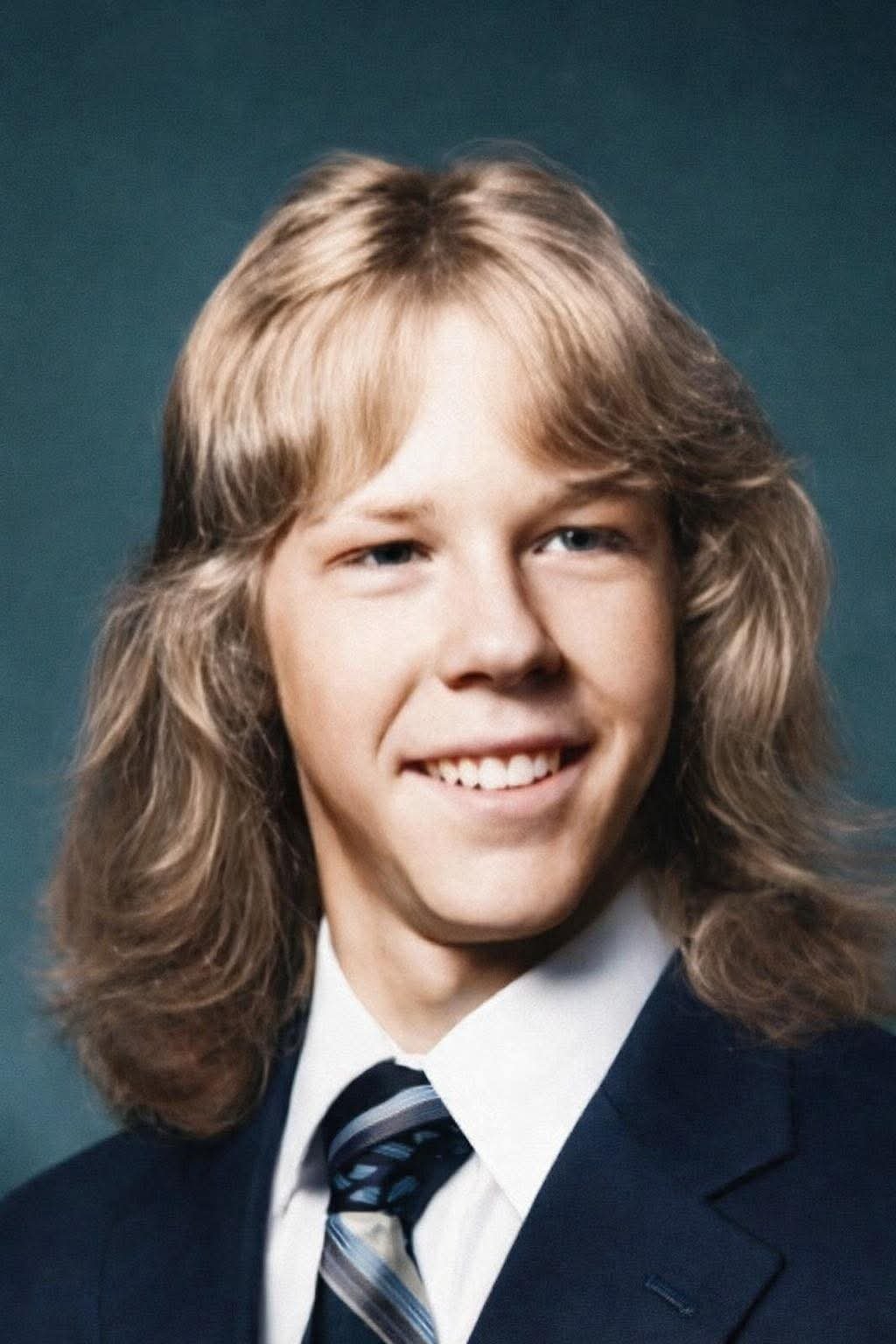
Long before the signature growl echoed in stadiums, it was a silent scream in a young boy’s heart. James Hetfield’s origin story is one of profound loneliness, set against a backdrop of devout religious belief that rejected modern medicine. The death of his mother from cancer, a fate accepted due to her faith, left him spiritually shipwrecked at sixteen. In that emptiness, he found resonance in the physicality of a guitar. The instrument offered a language where words failed, a way to craft order from emotional chaos. Every practiced riff was a step away from helplessness, a building block in constructing a new, stronger identity from the fragments of his old life.
This forged identity would become the cornerstone of Metallica. As the band’s central creative force, Hetfield weaponized his inner conflict, creating a sonic universe that was both technically formidable and emotionally raw. Tracks like “Fade to Black” and “The Unforgiven” weren’t just songs; they were open diaries, blurring the line between heavy metal and heartbreak. The band’s ascent to global domination validated his pain, transforming it into a unifying cry for millions. Yet, this external validation could not heal the internal wound. The relentless cycle of touring and performance became a form of flight, with alcohol serving as a faulty pressure valve for a psyche still haunted by childhood ghosts and unresolved anger.
The crash was inevitable. By the turn of the millennium, the mechanisms Hetfield used to cope ceased to function. Facing a crisis that threatened his life, his family, and his band, he made the radical choice to voluntarily step into the unknown: rehab and therapy. The ensuing period, documented with brutal honesty in Some Kind of Monster, was a public metamorphosis. The film revealed a leader humbled, a artist stripped of his defenses, learning the fragile vocabulary of feeling. It was a powerful rebuke to the toxic “rock star” stereotype, showcasing the immense courage it takes to ask for help and to rebuild one’s soul piece by piece.
The James Hetfield of today carries the wisdom of that struggle. He performs with a renewed purpose, the fire in his music now warmed by a hard-earned perspective. His story has evolved from a tale of artistic genius to a broader narrative of human resilience. He demonstrates that the strongest metal is tempered by fire, and the most enduring spirit is often the one that has been broken and carefully mended. Beyond the riffs and the roar, his greatest anthem is his own life—a relentless, decades-long fight to transform a legacy of trauma into one of enduring strength and quiet grace.

