After my grandmother was buried, her house felt like a courtroom. My family, gathered not in grief but in expectation, waited for the lawyer to name their price. I stood apart, holding the leash of her old dog, Berta. I had been the one to care for Grandma in her final illness, receiving her trademark tough love but also her genuine pride in my work as a nurse. The others had kept their distance, annoyed by her refusal to fund their lives. Now, they were about to learn that distance had consequences.
Mr. Johnson, the lawyer, was brief. Grandma had left her entire estate to none of them. The reaction was immediate and ugly—a chorus of betrayal and name-calling. Then, as an afterthought, they debated Berta’s fate. “Put her down,” someone said. The casual cruelty took my breath away. “I’ll take her,” I heard myself say, knowing it would complicate my already difficult life. My family scoffed, seeing only sentimentality. They left the house embittered, while I left with a dog and a broken heart.
The following week was hard. Berta grieved, and I struggled with new expenses. Meanwhile, my family’s belief that I had somehow tricked Grandma solidified. My mother’s confrontation at my apartment was a wounding ordeal. After she slammed out, I crumpled. It was Berta, nudging my hand with her collar, who shifted my focus. My fingers found grooves in the leather—an engraved address. Upon closer inspection, I discovered her name tag opened to reveal a tiny key.
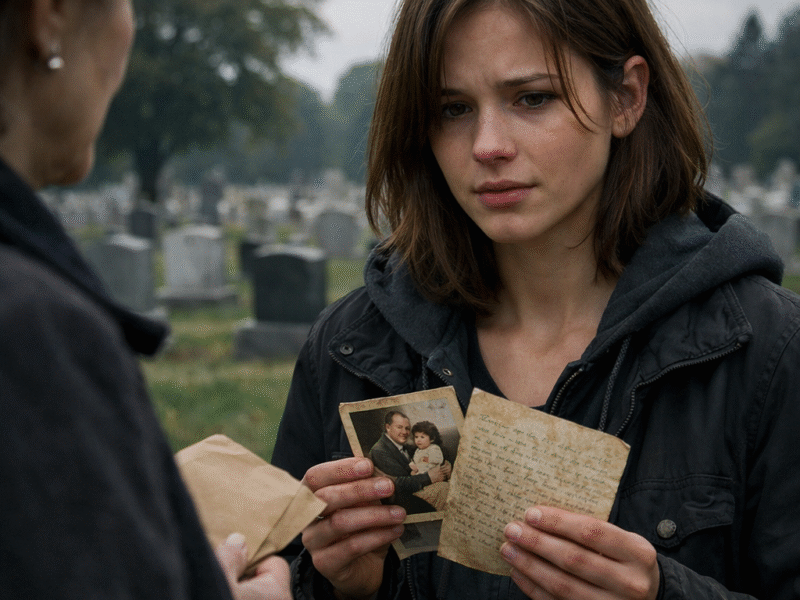
The clue led me to a train station locker. Inside, I found my grandmother’s voice in a handwritten letter. She explained that she had left her fortune as a test of character, to be claimed by whoever offered Berta a home without expectation. The legal will named me as the heir. I was stunned. Her entire life’s work was now mine, not because I was a relative, but because I had made a compassionate choice when no one else would.
The scene that unfolded next felt like a bad play. My mother and uncle burst into the station, demanding the documents. But Grandma had anticipated their avarice. Her lawyer arrived, a calm enforcer of her wishes. He made it clear the matter was settled. As we drove away, he told me Grandma wanted her wealth to reward integrity, not entitlement. Holding the folder, I felt the immense responsibility of her gift. She hadn’t just left me money; she had left me a mandate to live by the principles she valued. By choosing to care for a helpless animal, I had, without knowing it, chosen to honor my grandmother’s deepest beliefs.