In the world of country music, authenticity is the ultimate currency, and no one embodies that quite like Reba McEntire. Her story is woven from the very fabric of the American heartland, beginning on a sprawling Oklahoma ranch where life was sound tracked by the rhythms of hard work and rodeos. Long before she ever held a microphone, her world was one of manual labor and family bonds, an upbringing that would later infuse her music with a relatable, down-to-earth quality that millions of fans would cling to. This was the raw material that would be polished into one of country music’s most legendary careers.
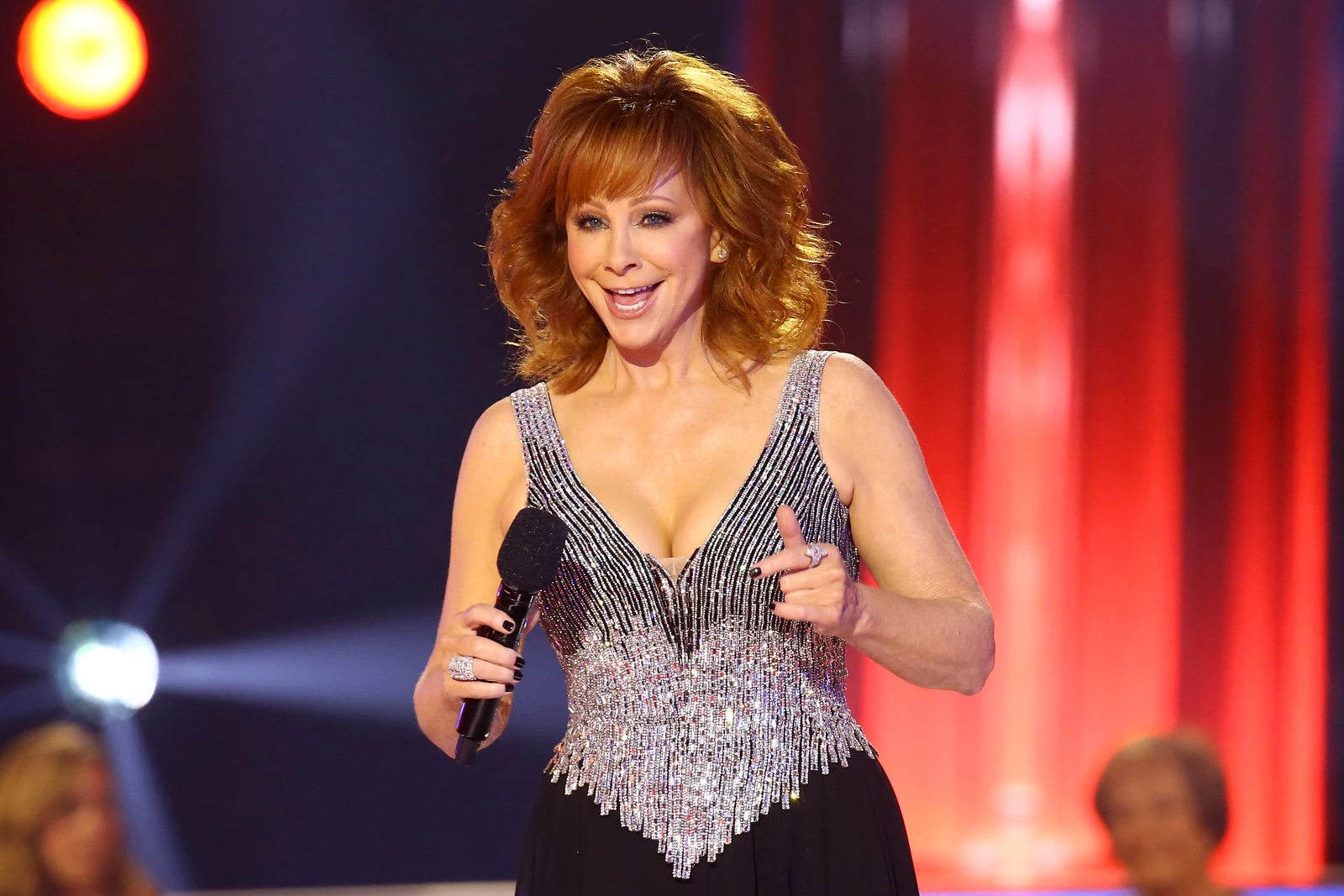
Music was the heartbeat of the McEntire household, thanks largely to her mother, Jacqueline. A would-be singer herself, Jacqueline cultivated her children’s talents, forming The Singing McEntires and drilling their harmonies until they were seamless. They performed at local events, but the path to Nashville was paved by a moment of pure, unvarnished talent. While singing the national anthem at the National Finals Rodeo, Reba’s powerful, clear voice—a voice that held the echoes of her rural upbringing—cut through the noise and captivated country artist Red Steagall. This was not a manufactured star; this was the real thing, discovered in her natural element.
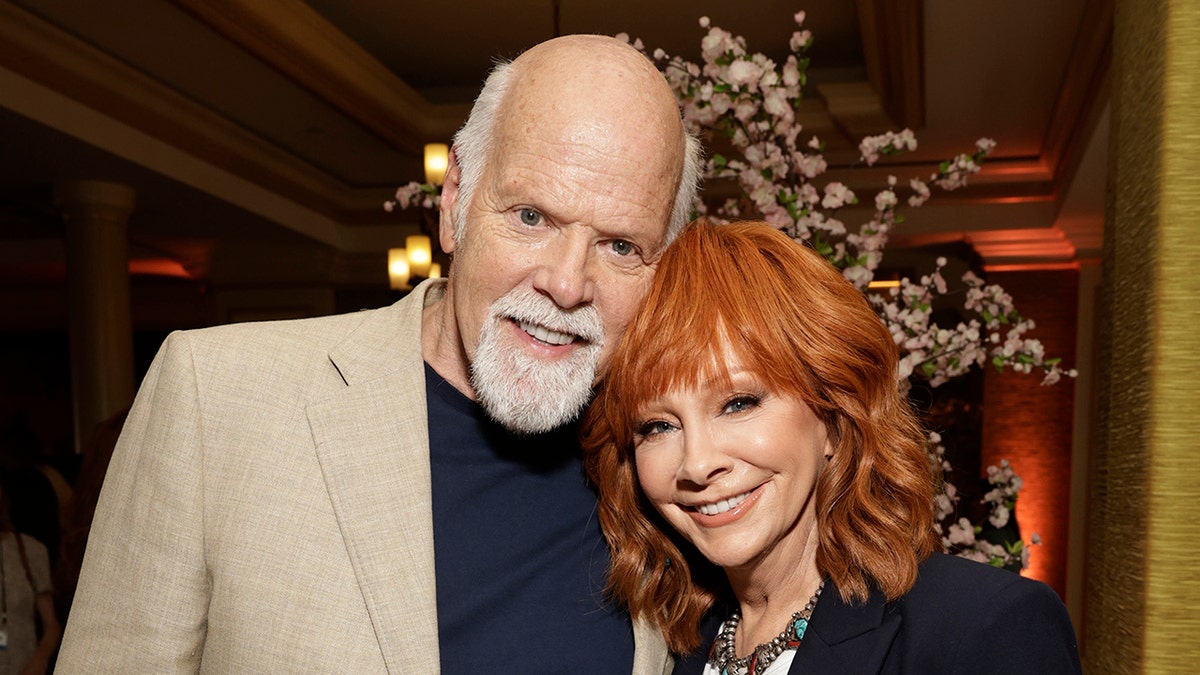
Armed with a contract and her mother’s unwavering belief, Reba took Oklahoma to Nashville. But she didn’t just bring her voice; she brought the entire ethos of her upbringing. The resilience required to work a ranch became the resilience to fight for creative control and to survive the fickle nature of the music business. She wasn’t just singing songs; she was telling stories that felt true because they were rooted in a life of real struggle, joy, and heartache, a connection her audience felt immediately and deeply.

This authenticity reached its peak following unimaginable tragedy. The 1991 plane crash that killed her band members could have ended her career. Instead, Reba did what only a true artist rooted in real-life resilience could do: she turned her grief into art. The resulting album, “For My Broken Heart,” is a cornerstone of her discography, a raw and emotional work that cemented her status not just as a entertainer, but as a storyteller who could articulate the deepest human pains and triumphs.
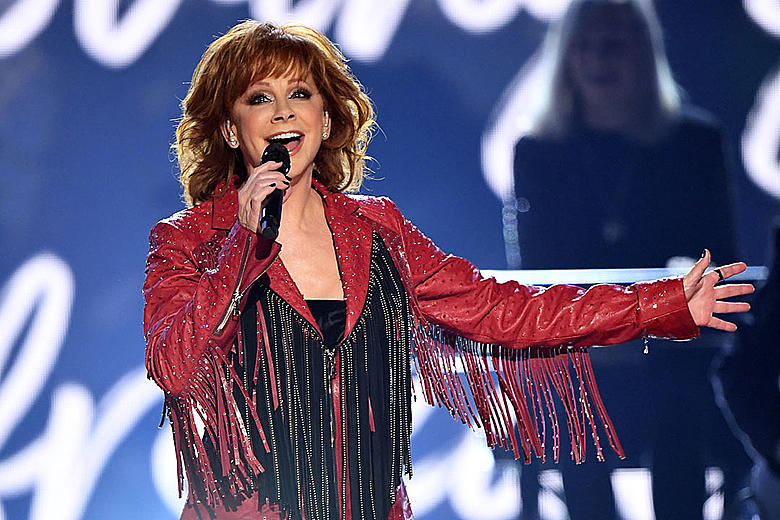
From selling out stadiums to winning countless awards, Reba McEntire’s legacy is a testament to the power of staying true to where you came from. She proved that the stories from dusty backroads and the values of a hard-working family could resonate on a global scale. In a genre built on real life, Reba’s music remains the gold standard, a reminder that the most powerful voice is always your own.