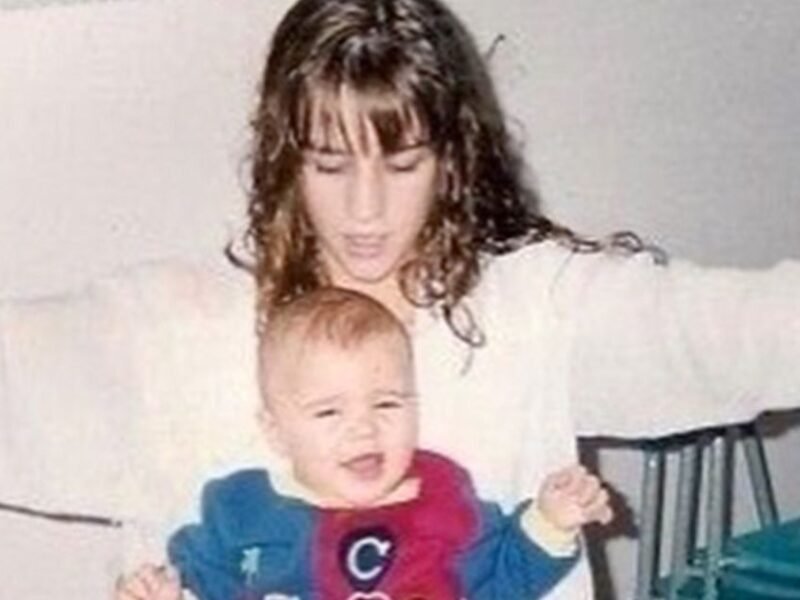
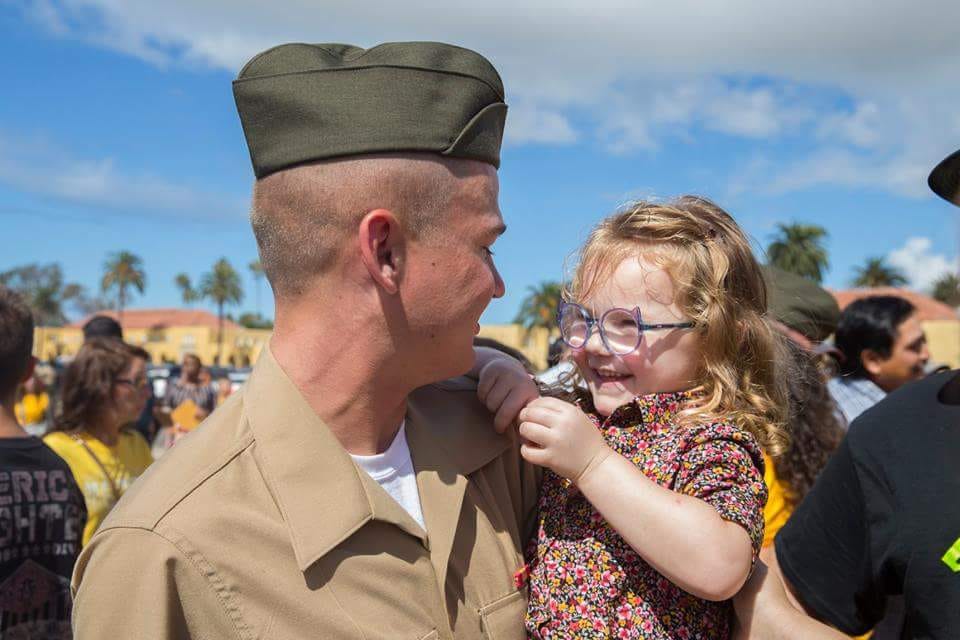
We often define service by its rules and outcomes, but its true essence lies in the compassion that fuels it. This truth was beautifully embodied by Officer Walker during a call to assist a veteran and his family. The family was in turmoil, not from malice, but from a painful misunderstanding. The veteran, a man who had already borne the heavy weight of service, was denied a hotel room because of his service dog. The humiliation reopened old wounds, and his emotional distress frightened his family.
Officer Walker entered this volatile situation and immediately changed its course. He did not lead with commands or authority. Instead, he led with humility, kneeling to speak with the veteran at his level. He listened—not to gather facts for a report, but to understand a human being’s struggle. This act of empathetic listening was a balm to the veteran’s spirit, a silent message that said, “Your pain is seen, and your experience matters.”
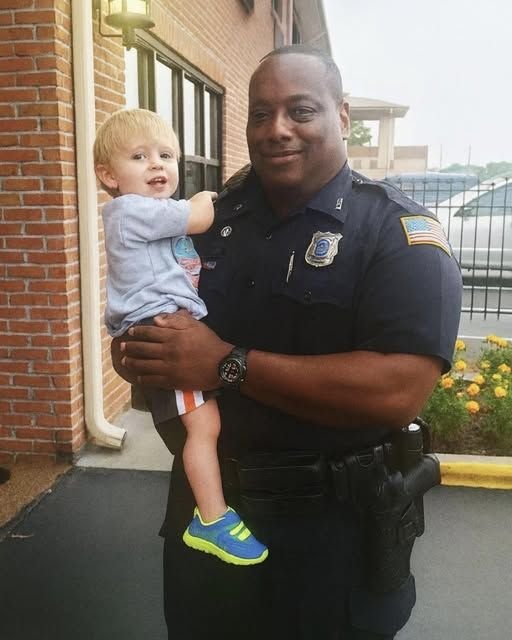
After using his knowledge of the law to secure the family’s right to their room, Officer Walker performed his most significant act of service: he remained. He understood that legal resolution did not automatically bring emotional resolution. He offered comfort and stability, helping to calm the veteran’s wife and reassure the children. By holding their infant, he provided a simple, profound gesture of care that allowed the parents to breathe and regain their composure.

This story teaches us that the highest form of service is an act of the heart. Officer Walker’s actions went beyond the call of duty because they were rooted in a genuine desire to heal and protect. He restored a family’s faith not only in law enforcement but in humanity itself. His example challenges us all to consider how we can serve those around us with the same depth of empathy, turning moments of crisis into opportunities for grace and connection.