The trajectory of a supernova celebrity often follows a predictable arc: explosive fame, a period of dominance, and then a slow fade into nostalgia. Paul McCartney’s story disrupts that narrative entirely. While the hysterical pitch of Beatlemania could not be sustained, what followed was not a fade but a metamorphosis. To claim he is now forgotten is to confuse the end of mania with the end of significance. McCartney has traded the unbearable weight of global obsession for the profound freedom of an established legend. In this space, he thrives, not as a relic, but as a fully realized individual and artist.
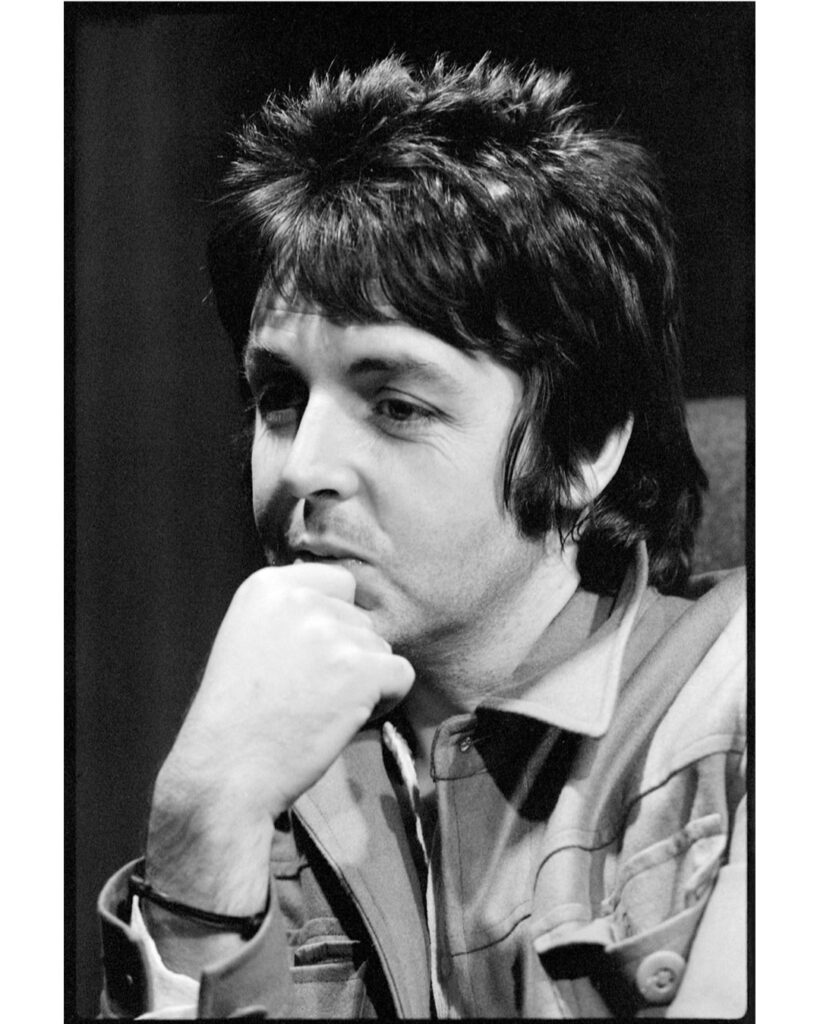
His personal style has always reflected his inner landscape, and today it speaks of unburdened ease. Paparazzi shots from St. Barts showed him with his hair tied simply back, a man bun that was purely functional and refreshingly normal. This followed his public embrace of natural gray hair, a move that felt less like aging and more like an unveiling of authenticity. Compared to the iconic, era-defining hairstyles he sported with The Beatles, his current look is disarmingly simple. It signals a man who has shed the costumes of stardom and is utterly comfortable in his own skin, priorities focused on personal happiness over public image.
This personal freedom directly fuels his artistic one. Free from the pressures of chart battles or defining a generation, he creates from a pure place. “McCartney III” emerged not from a corporate strategy session, but from the unique solitude of a world in lockdown. He described piecing it together almost unconsciously, realizing only later that he had made an album. This is the creative process in its most essential form—art for its own sake, a conversation between the artist and his craft. The album’s very title winks at this continuity, connecting this late-career work to the intimate, self-recorded albums that bookend his solo journey.
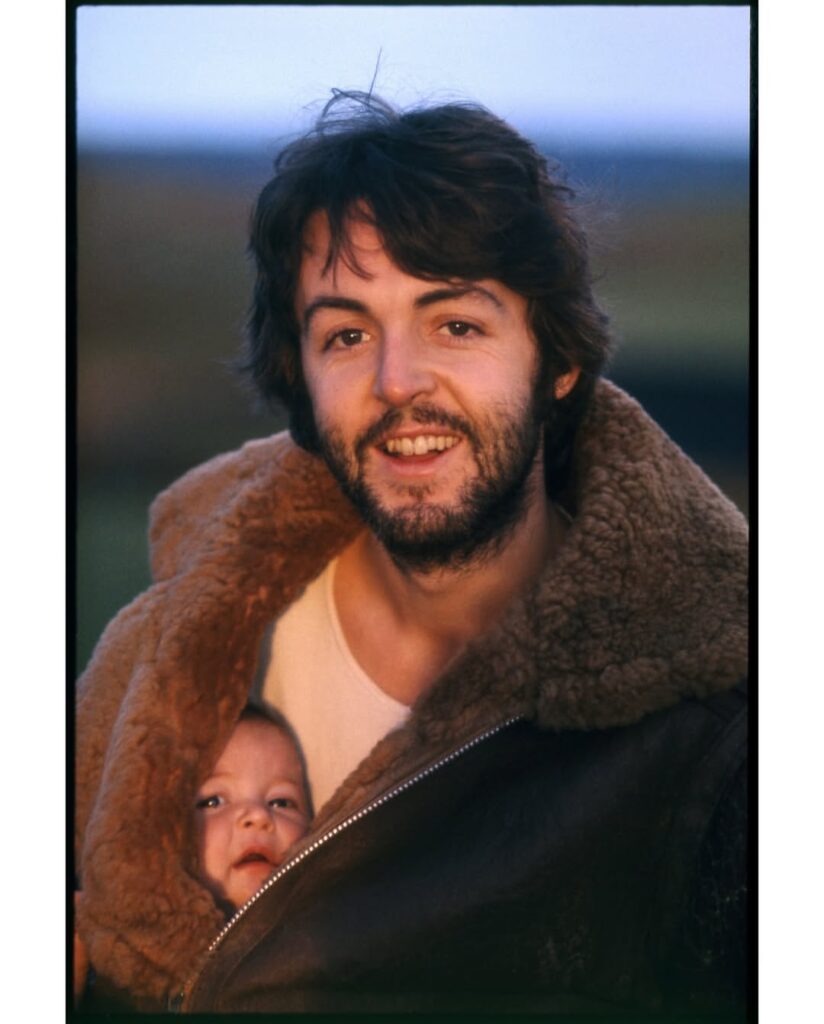
McCartney now operates on a plane where commercial metrics are irrelevant. His albums are events not because of marketing blitzes, but because they are rare, handcrafted communications from a master. Each release is a chapter added to an unparalleled body of work. He tours not because he needs to, but because he loves to, playing to multiple generations who share a deep, communal connection to his music. This is not the fame of trending topics; it is the deeper, more resonant fame of lasting cultural impact.
Therefore, the idea that Paul McCartney is forgotten is not just incorrect; it inverts the truth. He has been liberated from the cage of constant recognition. The world no longer chases him down the street, allowing him the space to be a husband, a father, a traveler, and a musician on his own terms. This is the ultimate success: to have shaped the world so profoundly that you can finally step back from its frantic center and enjoy the view, all while continuing to add to the very landscape you helped create. He is not remembered as a momentary flash, but honored as a permanent, shining light.