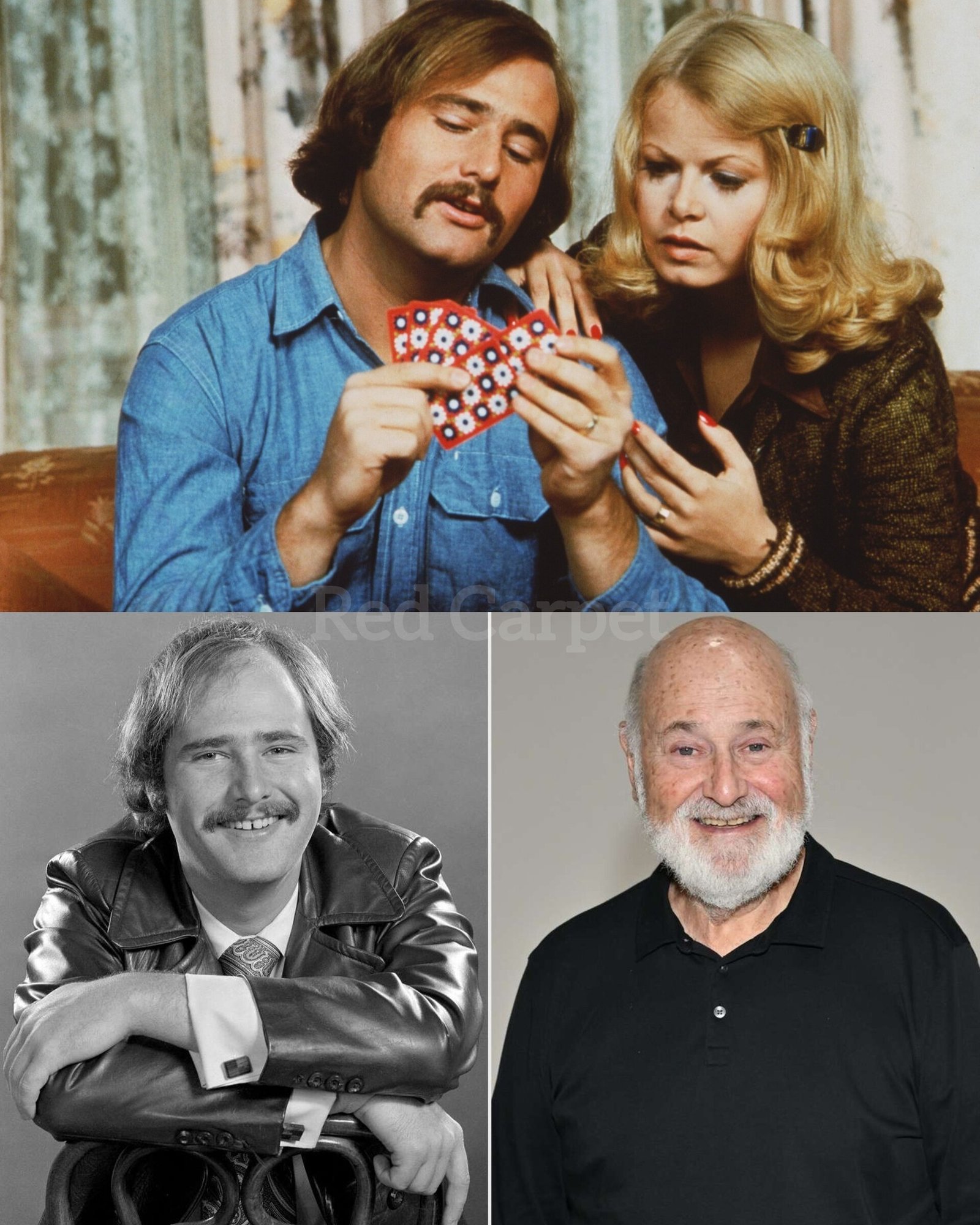
In the fractured America of the 1970s, Rob Reiner, through the character of Michael Stivic, performed a vital cultural service: he made empathy entertaining. All in the Family was a deliberate shock to the system, and Reiner’s “Meathead” was the compassionate, if occasionally naïve, heart at its center. While Archie Bunker bellowed the fears of a changing world, Stivic responded with the hopeful logic of a new generation. Reiner’s great skill was in playing the foil without becoming a caricature; his liberalism was heartfelt, flawed, and fundamentally kind, making progressive ideals accessible to living rooms across the country.
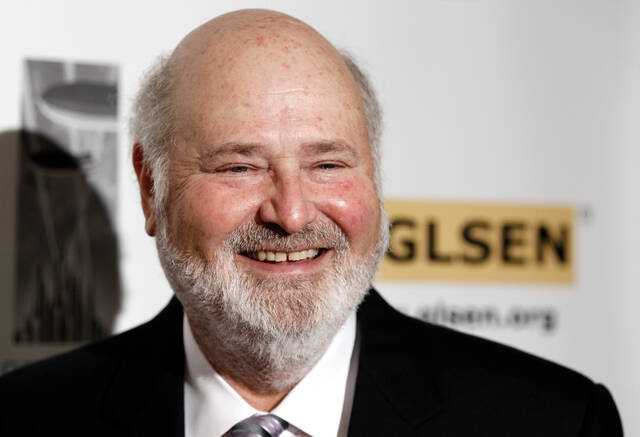
The production was a pressure cooker of artistic and emotional risk. The actors felt the burden of representing such diametric worldviews, a strain that famously led to moments of crisis on set. For Reiner, navigating this terrain was an education in the power and peril of storytelling. He witnessed firsthand how a fictional argument could spill into real-world backlash, yet also how it could forge a powerful, healing connection. The silent testimony of a moved audience member was a revelation, affirming that their comedic confrontations were serving a deeper purpose—not to divide, but to describe, and in describing, to validate.

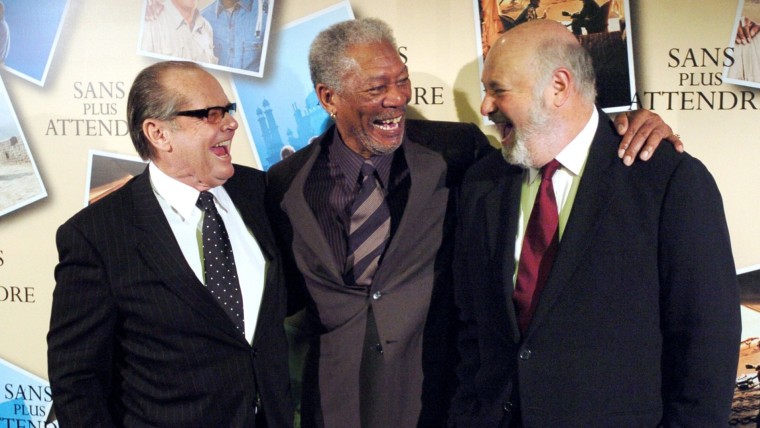
This understanding shaped Reiner’s evolution from actor to acclaimed director and advocate. His films, diverse in genre, consistently explored human connection and societal foibles with a warm, observant eye. The social conscience kindled in the Bunker living room burned steadily throughout his life, fueling decades of activism. Reiner’s story illustrates that popular culture is not separate from social progress; it is often its engine. By having the courage to sit at Archie’s table and argue with love and humor, he helped a nation practice difficult conversations, proving that sometimes, the way to change minds is first to acknowledge the conflict, with a joke and an open heart.