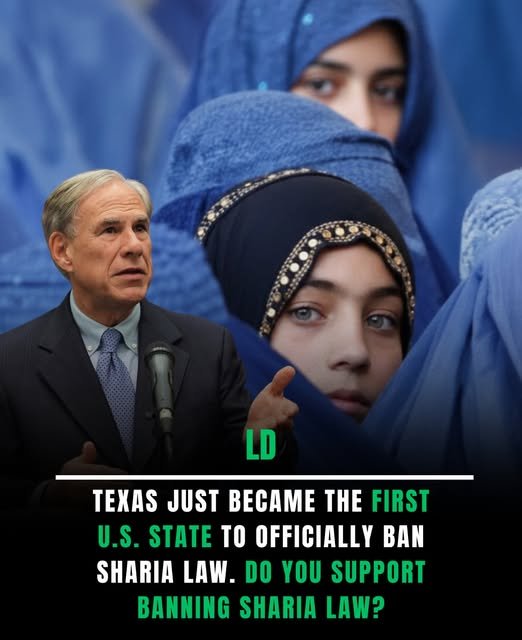
Texas’s new prohibition on courts applying foreign or religious legal codes represents a significant intervention in the relationship between faith and the state. By legislating that only U.S. and Texas law may guide judicial decisions, the state asserts a pure vision of legal secularism. However, the context and controversy surrounding the law reveal deep societal tensions. Is this a prudent measure to maintain a coherent legal order, or does it unjustly stigmatize religious minorities and solve a problem that does not materially exist? The answer depends largely on one’s view of risk, tolerance, and the role of government in mediating religious life.
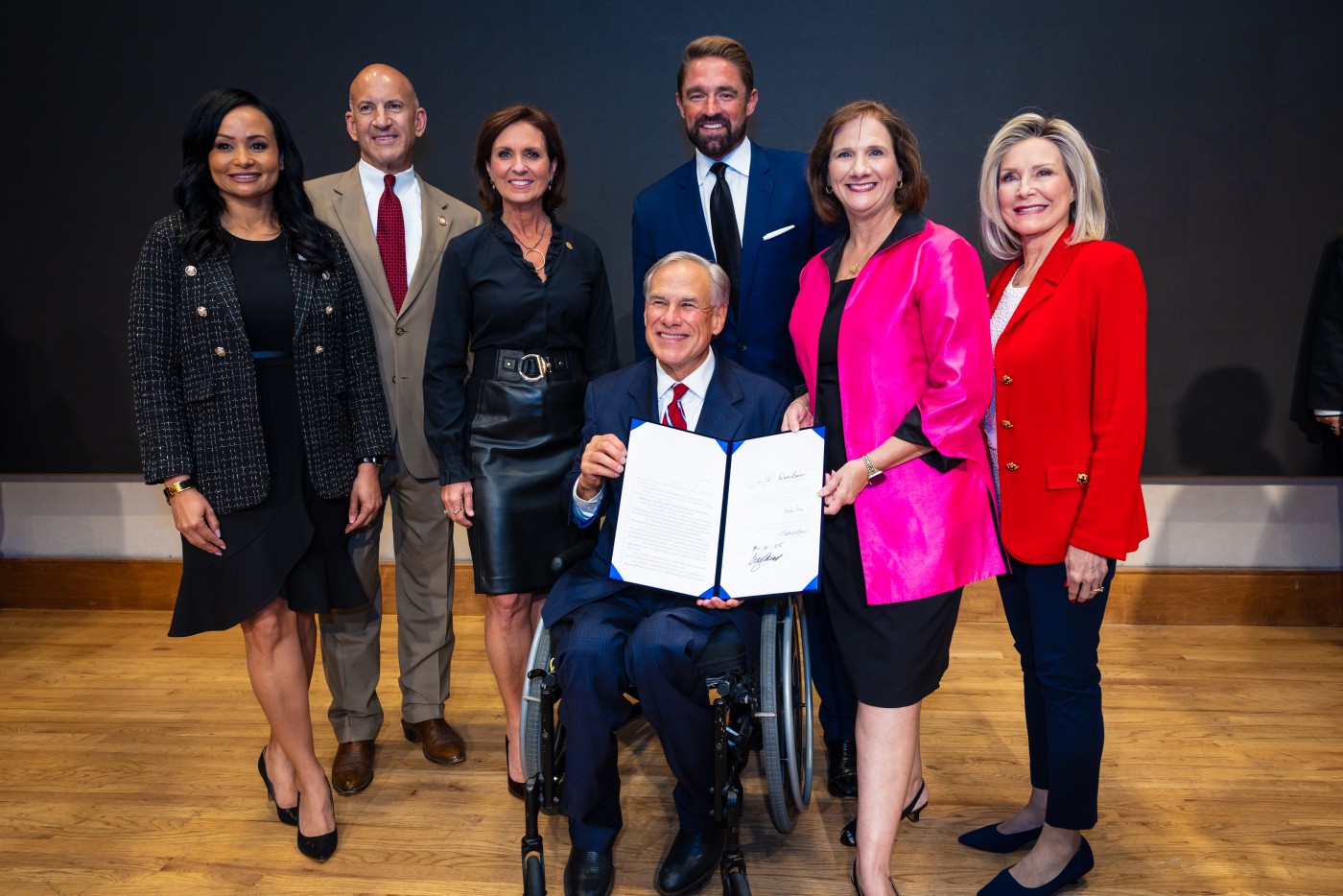
Supporters defend the law as a clarification of fundamental principles. In their view, the courtroom is no place for religious doctrine. They argue that even the possibility of a judge referencing a religious text creates ambiguity and could lead to inconsistent rulings. This perspective holds that the state has a compelling interest in ensuring that all legal authority flows from democratically enacted statutes and the Constitution, not from religious authorities or texts. It is seen as a bulwark against any form of legal pluralism that might dilute individual rights, particularly for women and children in family law disputes governed by traditional religious norms.
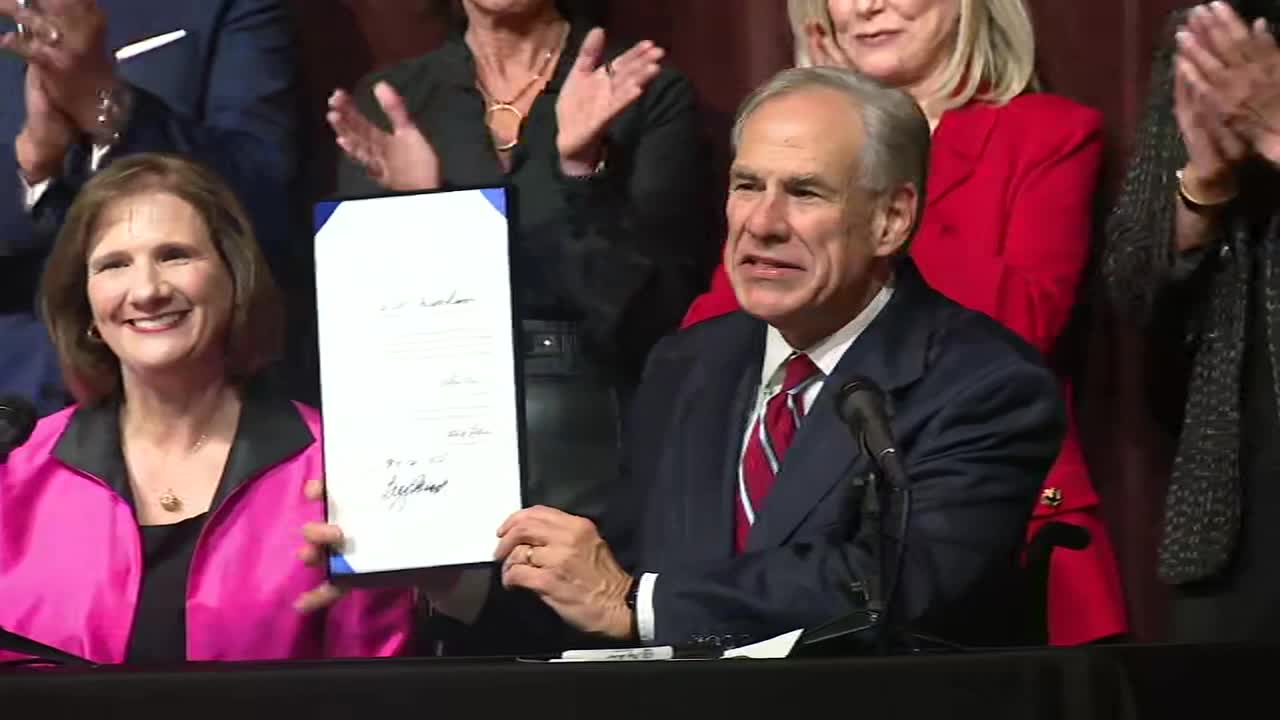
The opposition, comprising civil rights groups and many legal scholars, argues the law is both overbroad and harmful. They point out that it ignores the reality of conflict-of-laws principles and the constitutional protections already in place. Courts routinely handle cases with international elements or private agreements that reference custom, and they have the tools to reject any provision contravening public policy. The law, therefore, is seen not as a protection but as a political statement that risks harming community relations. It tells Muslim Texans that their religious identity is viewed as a legal threat, potentially discouraging civic participation and fostering alienation.
A critical dimension of this conflict is educational. The term “Sharia” is poorly understood in the public sphere, often associated exclusively with severe punishments. The law’s passage arguably legitimizes this narrow and alarming view, hindering a more nuanced public conversation about religion. For the Muslim community, it represents a frustrating setback, requiring them to defend their faith against legislated suspicion rather than being accepted as Americans whose religious practices pose no threat to the legal order.
The destiny of this legislation now rests with the judiciary. The central legal question will be whether the state’s interest in the hypothetical threat of religious law outweighs the tangible burden placed on religious exercise and equal protection. A ruling upholding the law could empower other states to follow suit, potentially creating a patchwork of regulations that complicate interstate legal matters and deepen cultural divides. A ruling against it could reaffirm that religious neutrality means the state cannot enact laws that disproportionately burden a particular faith based on conjecture, reinforcing a more inclusive interpretation of America’s foundational freedoms.