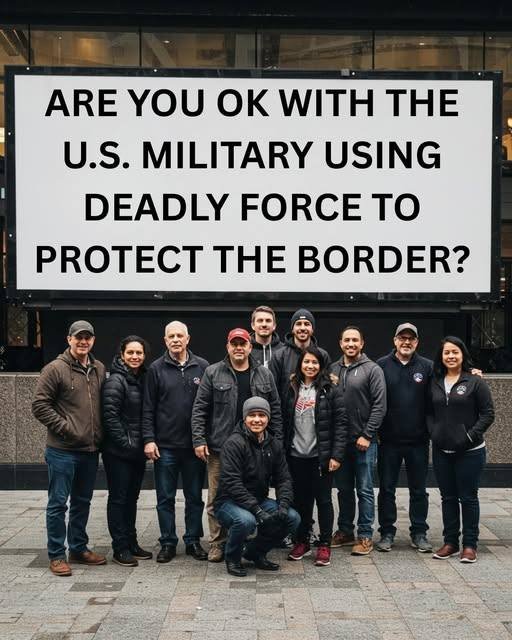
The debate over border security often narrows to a single question: how tough should America be? This framing frequently leads to proposals for military deployment as the ultimate display of resolve. Yet, this approach overlooks a more fundamental question: what kind of security is sustainable and consistent with American values? A growing chorus argues that a militarized border is not only operationally problematic but morally corrosive, trading short-term deterrence for long-term damage to the nation’s character and standing.

The practical case against using soldiers is strong. Military training prepares individuals to identify and engage enemy combatants, not to process asylum seekers or distinguish between a smuggler and a scared family. This mismatch increases the likelihood of deadly mistakes and human rights abuses. Furthermore, the immense cost of deploying thousands of troops drains resources from other critical security needs and from investments that could address migration’s root causes. It is a reactive, expensive strategy that treats a symptom while the disease of a broken system worsens.
Beyond practicality lies principle. America has historically been a refuge, its strength derived from its ideals of freedom and opportunity. Turning the might of the armed forces against vulnerable populations—many fleeing violence and poverty—contradicts this self-image and undermines global moral leadership. It also alters the domestic landscape, making the spectacle of troops confronting civilians at home feel normal. Security achieved through fear and fortification is a brittle kind of security, one that walls us in as much as it walls others out.
A humane and effective strategy requires courage of a different kind: the courage to reform. This means creating a functional immigration system with clear rules and sufficient legal avenues for work and asylum. It means investing in smart technology at the border—sensors, drones, and data analytics—to support agents. It means bolstering international cooperation to improve conditions in sending countries and manage regional migration. Security is not just a physical barrier; it is the confidence that comes from a fair, orderly, and well-administered system. A secure nation can afford to be both strong and compassionate.