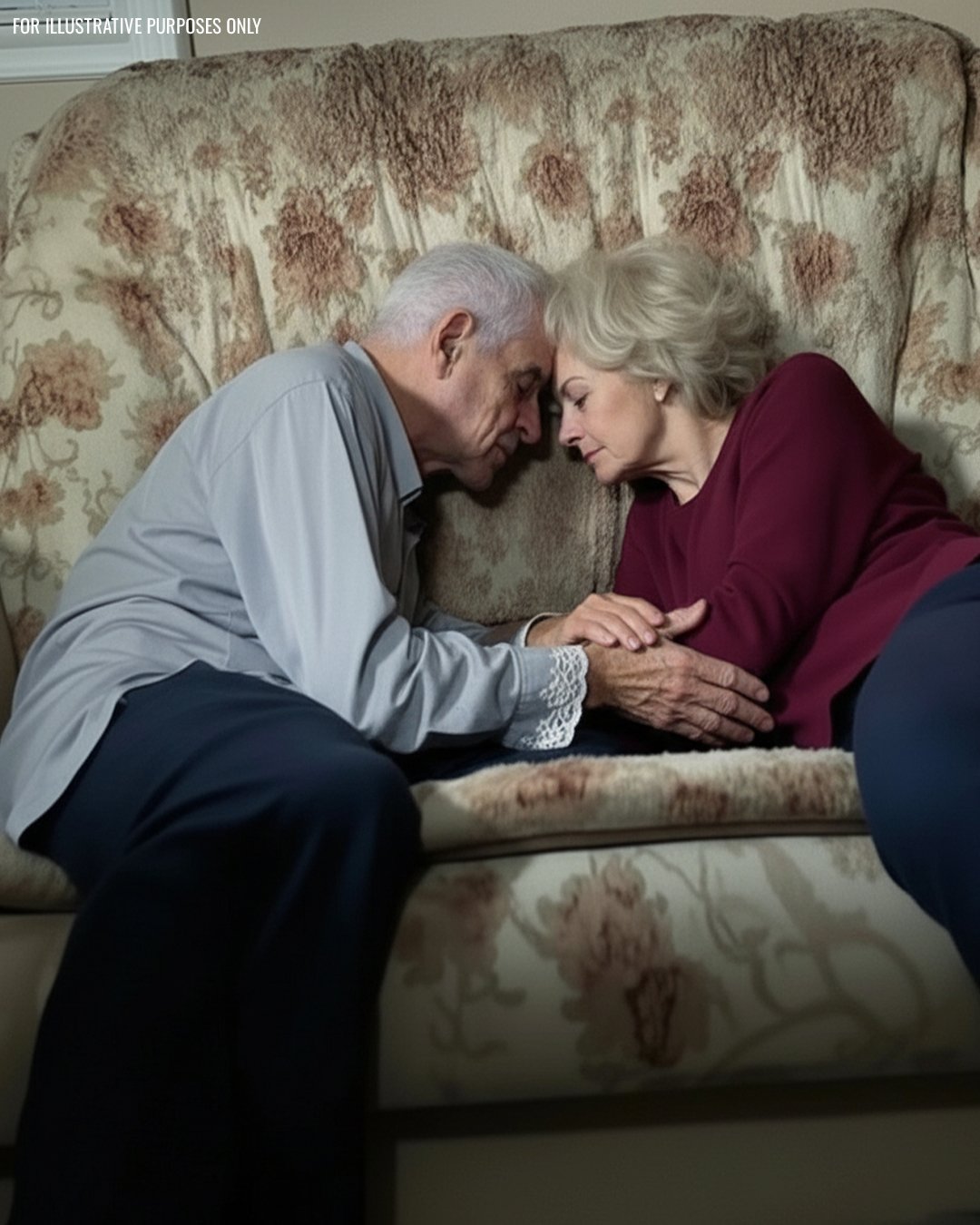
The fence between Margaret and Harold’s properties was more than a boundary; it was a stage. For forty years, they performed a ritual of disagreement across it, debating roses, grass, and the proper volume for a lawnmower. To her granddaughter, it was a curious but accepted fact of life—Grandma and the grumpy neighbor. Harold’s terminal illness changed the script. Margaret’s compassionate visits and her presence at his deathbed revealed a connection that defied their public narrative. The real truth, however, was buried in legal documents.
At the will reading, the lawyer’s announcement was a thunderclap: Margaret inherited Harold’s house. The letter he left explained why. Decades earlier, they had been young and in love, planning a shared future. Her father, aiming to protect her, destroyed it with a lie, showing Harold a fake letter that ended their relationship. Both carried this betrayal for a lifetime, each misinterpreting the other’s subsequent anger as confirmation of their own heartbreak. Harold’s decision to live next door was a form of self-inflicted punishment and a desperate need to stay close. Their fights were the only intimacy their pride would permit.
The house was Harold’s final, grand gesture—an offering of the home they were meant to build together. In cleaning it out, Margaret discovered the quiet archive of his fidelity: photographs, poetry, tokens from their youth. Their story is a powerful lesson in the cost of assumptions and the danger of unsaid words. It demonstrates that love does not always fade; sometimes, it simply calcifies into a different shape, like a garden wall built not to keep something out, but to mark the precise line where something beautiful once grew. The inheritance gave Margaret not just property, but the painful, precious gift of context, allowing her to finally understand the strange, stubborn man she had loved, and fought with, for most of her life.