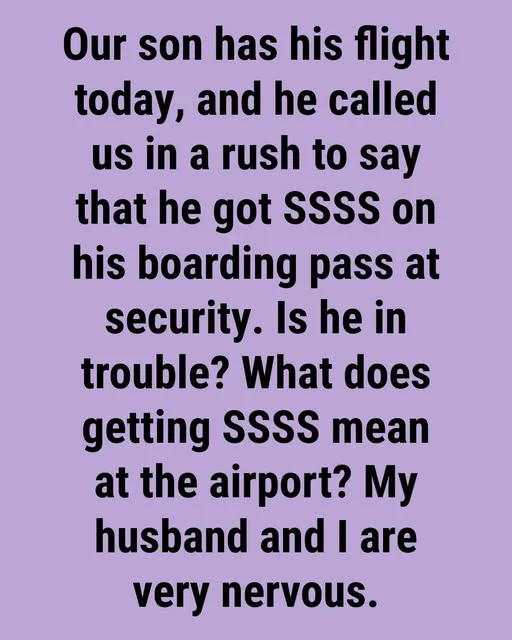
Among the various codes and abbreviations on an airline boarding pass, few draw as much attention as “SSSS.” This designation, short for Secondary Security Screening Selection, is a key component of contemporary aviation security protocols. When it appears on your ticket, it means you have been selected for a more rigorous security examination at the airport. Managed by authorities such as the U.S. Transportation Security Administration, this measure is a calculated element of risk management, aiming to add another layer of safety by subjecting certain passengers to increased scrutiny before they reach the aircraft.
It’s important to recognize that an SSSS flag is frequently not personal. The selection process under the Secure Flight program is designed with multiple inputs. While certain travel patterns or data anomalies can trigger it—like last-minute bookings, paying with cash, or travel from specific destinations—a substantial portion of selections are genuinely random. This randomness is a strategic feature, intended to prevent anyone from gaming the system by identifying predictable security patterns. Therefore, a passenger receiving SSSS could simply be part of a statistical sample, not an individual subject of suspicion.
When you are selected, the airport experience shifts. The first change is logistical: you must check in with a live airline agent at the ticket counter. Self-service options are blocked. The agent will issue your boarding pass, which will visibly contain the SSSS code. Upon reaching the security checkpoint, you will be identified and directed to a separate screening lane or area. This is where the enhanced screening occurs. Officers will unpack and physically inspect the contents of your carry-on luggage. They will use swabs to check for explosive materials on your bags, your hands, and perhaps your clothing. A comprehensive pat-down search is standard, and you should be prepared to turn on any electronic devices in your possession to prove they are what they appear to be.
The major impact for the traveler is time. This detailed screening is not fast. You should budget an additional 30 to 45 minutes for the security process to account for the queue and the inspection itself. To mitigate stress, plan to arrive at the airport earlier than your usual routine. Practical preparation is also key: organize your carry-on so items are easy to remove and repack, ensure laptops and tablets are easily accessible and charged, and keep your passport and boarding pass in a handy location. Maintaining a polite and patient attitude with security staff will make the process more efficient for everyone involved.
Ultimately, the SSSS code is a procedural mechanism, not a scarlet letter. It is a temporary status that applies to a single journey for most people. While it can be an annoyance, its purpose is integral to the security architecture that protects millions of flights every year. By approaching it with the right information and preparation, travelers can ensure that this extra step is nothing more than a minor delay on the way to their final destination, a small personal contribution to the vast, collaborative effort of safe global travel.