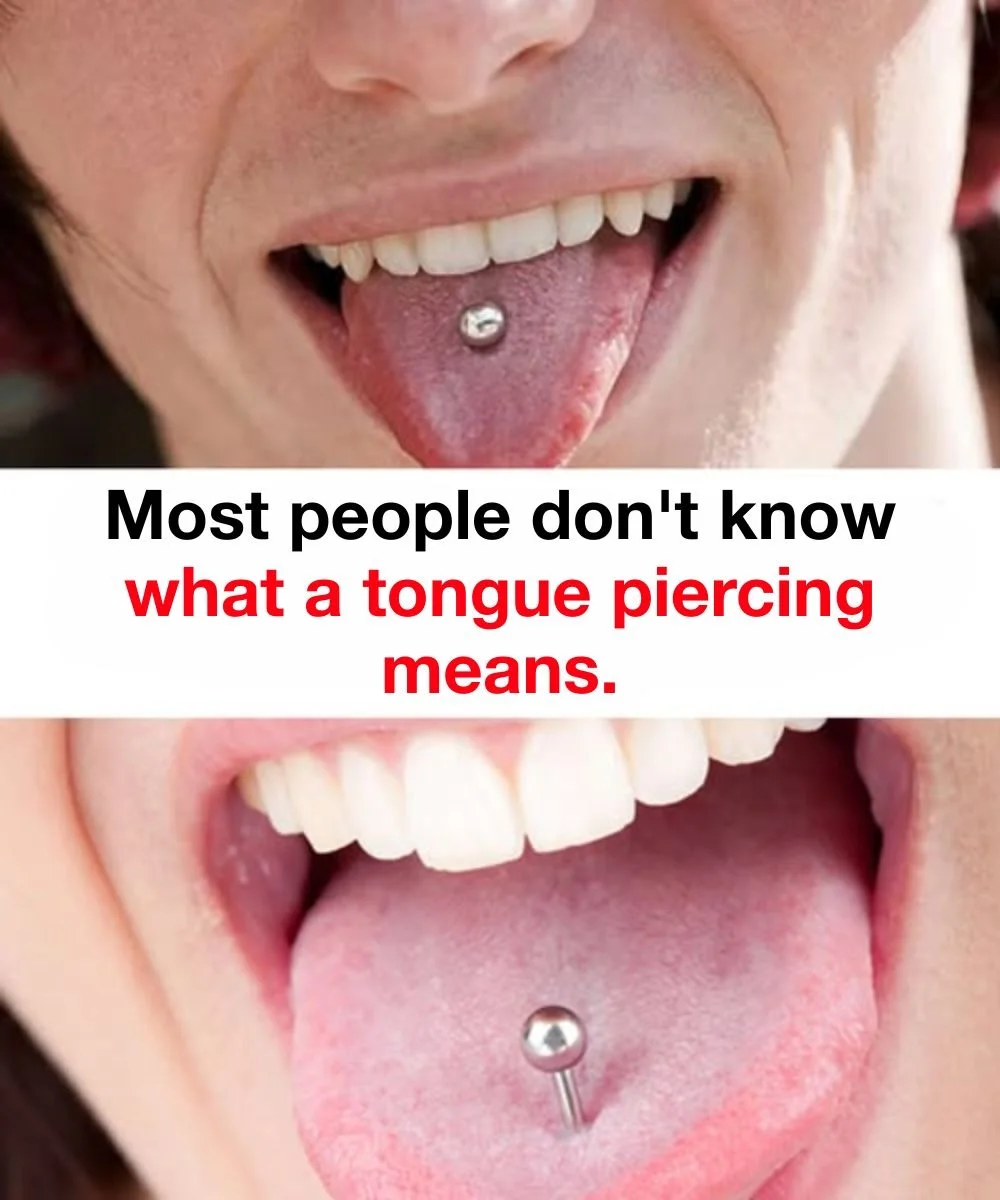
A flash of metal when someone speaks or smiles—the tongue piercing is often noticed but rarely understood. Its history, however, speaks volumes. Far from a modern invention, it is an ancient practice steeped in solemn meaning. In pre-Columbian civilizations, piercing the tongue was a ritual of profound significance. Spiritual leaders performed it to induce visions and communicate with deities, viewing the pain and blood as a sacred offering. For warriors, it was a test of mettle and a public display of fearlessness. This origin story frames the piercing not as an act of frivolity, but as one of deep symbolic commitment.
When the piercing re-entered the cultural mainstream in the late 20th century, it carried echoes of this past, albeit in a new key. Adopted by punk, goth, and other alternative communities, it became a visual language of dissent and self-determination. It was a way to reject homogenized beauty standards and to physically carve out a space for one’s true identity. Even as it was often misunderstood or stigmatized, wearers reclaimed its narrative, asserting that its value was defined by personal intention, not public perception.
Today, the significance of a tongue piercing is a personal manifesto. For one person, it might be a milestone of self-confidence, a permanent token of overcoming insecurity. For another, it is an act of reclaiming bodily autonomy, a statement that their choices are theirs alone. Its semi-concealed placement makes it a uniquely personal form of adornment—a secret strength, a quiet rebellion known in full only to the individual. It serves as a piece of living jewelry that celebrates the body as a vessel for personal storytelling and artistic identity.
The enduring appeal of the tongue piercing lies in this powerful duality: it is both a connection to an ancient human impulse for ritual and a thoroughly modern tool for self-definition. It challenges the wearer and the observer to look beyond surface judgments. While misconceptions may label it as merely edgy or extreme, its true story is one of continuity and courage. It remains a potent symbol because it answers a fundamental human need: to express one’s authentic self boldly, to wear one’s story, and to find strength in a symbol that is entirely your own.