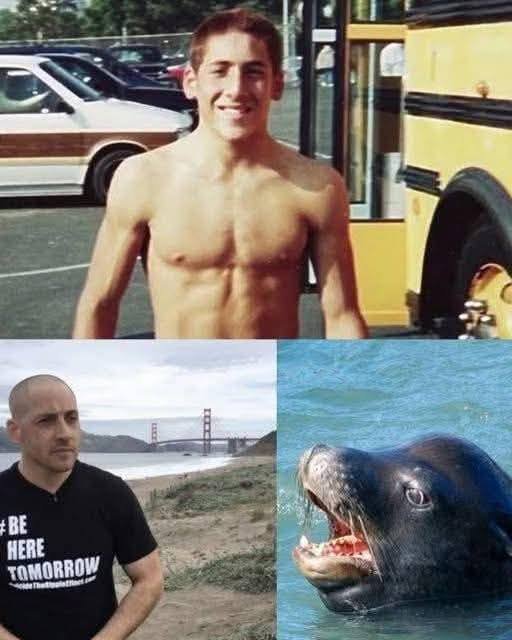
Resilience is often romanticized, but Kevin Hines’s story defines it in raw, unflinching terms. It is the story of surviving a fall meant to kill you, relearning how to move your body, and then undertaking the even harder work of rebuilding a spirit crushed by mental illness. His journey from the Golden Gate Bridge railing to a life of global advocacy is a masterclass in human resilience, showing that coming back from the brink is a gradual, intentional act of reconstruction.
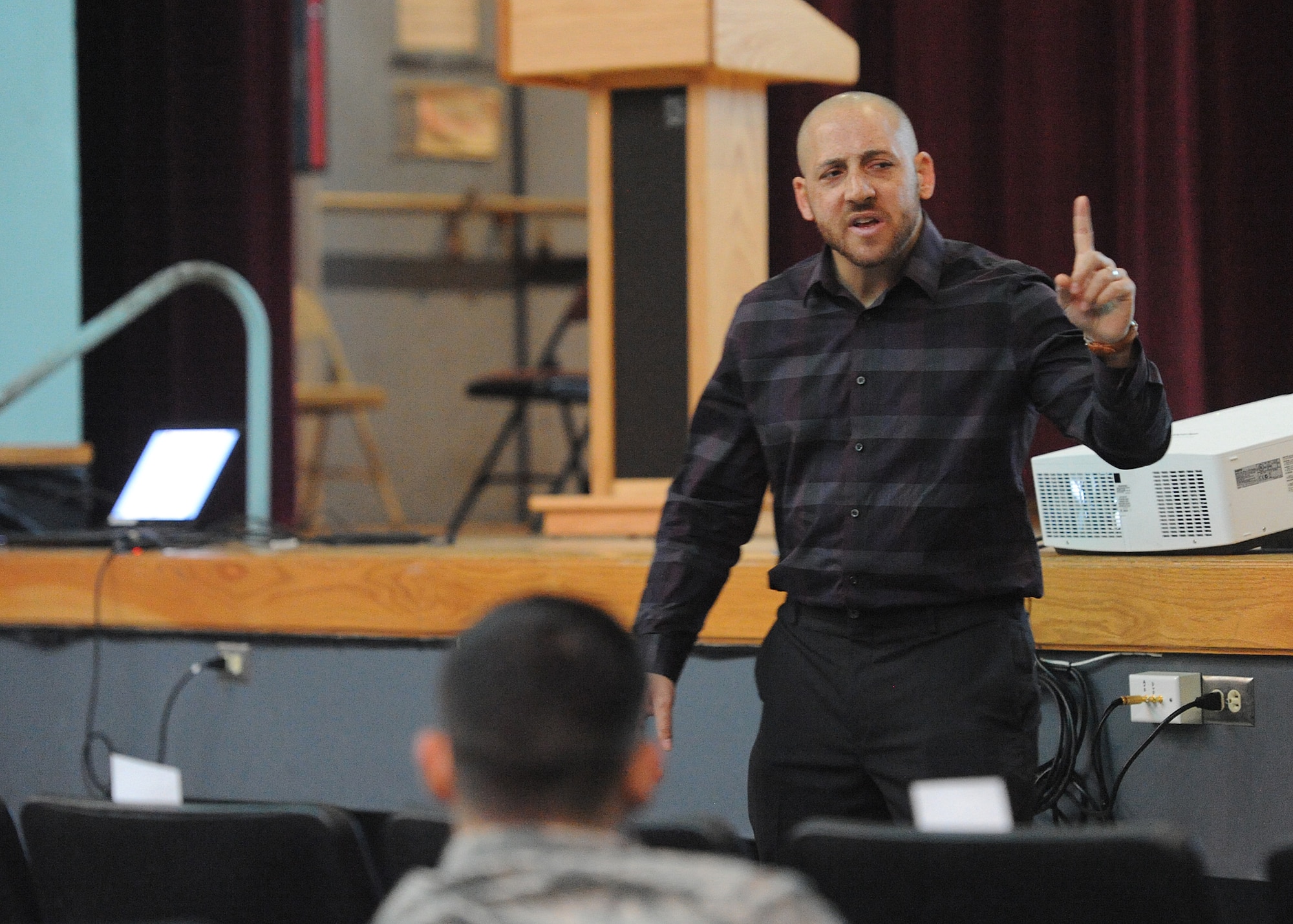
The initial survival was itself against astronomical odds. The impact broke his body, but the will to live, which sparked the moment he jumped, now fueled his fight in the water and through endless surgeries and rehab. This physical ordeal was just the first layer. The deeper challenge was confronting the psychological aftermath: the guilt, the trauma, and the ongoing management of bipolar disorder. Resilience here meant showing up for therapy, accepting support, and slowly challenging the negative beliefs that had led him to the bridge.
A key part of his resilience was finding meaning. Viktor Frankl’s concept that survival can be rooted in finding purpose played out vividly in Kevin’s life. He asked himself why he survived when so many others did not. The answer he found was to prevent others from feeling the same pain. This purpose became his anchor. It gave his suffering a context and his daily battles a direction. He transformed his pain into a mission, which in turn fueled his ongoing recovery.
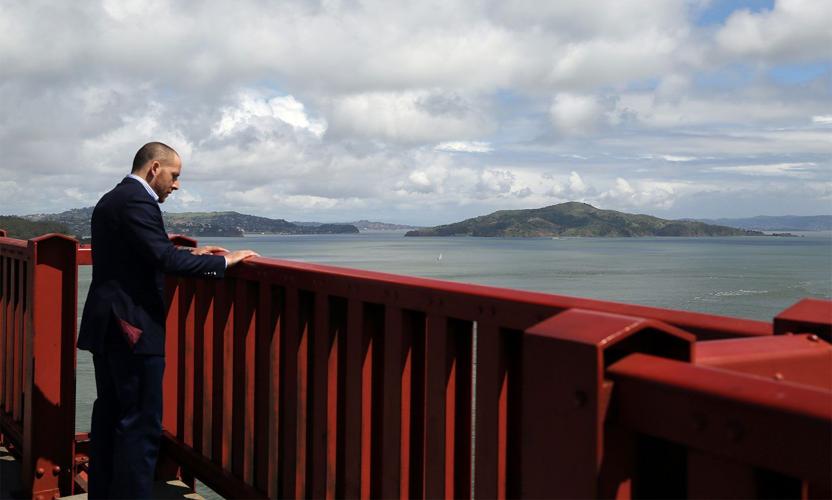
This mission required a different kind of strength: the courage to be relentlessly vulnerable. Kevin chose to publicly share his most painful moment with the world. He faced stigma and judgment to talk openly about suicide and mental illness. This vulnerability, paradoxically, became his greatest source of power and connection. It allowed him to build a community and to see that his struggle was not a solitary one. His resilience became contagious, inspiring resilience in others.
Today, Kevin Hines exemplifies post-traumatic growth. He did not just recover; he evolved. His resilience teaches us that healing is not about erasing the past, but about integrating it into a stronger, more purposeful whole. It shows that our lowest points can become the foundation for our greatest contributions, and that the human capacity to mend, to hope, and to help others is perhaps the most miraculous survival skill of all.