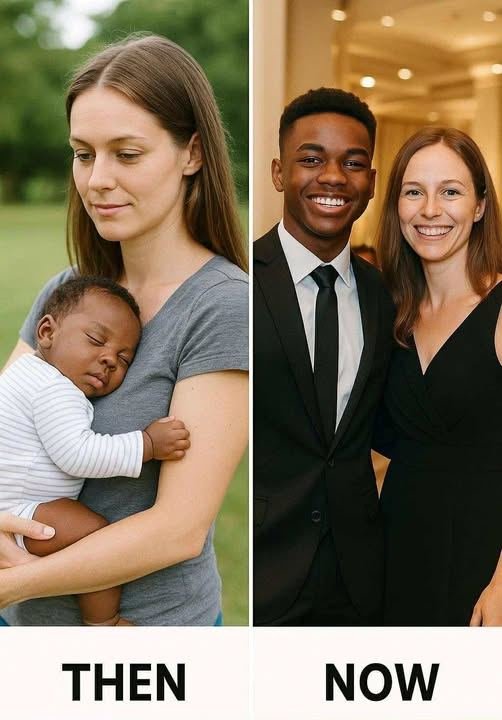
In the calculus of modern life, some decisions defy all logic. Rachel’s was one of them. A young professional with her future meticulously imagined, she encountered the story of Elijah, an infant abandoned to the system. Where others might have felt a passing sympathy, Rachel felt a seismic pull. The choice to foster, and later adopt, this child was not born from a lifelong dream of parenthood, but from an immediate, undeniable conviction that she was meant to be his sanctuary. It was love at its most instinctual and brave.
Embracing this new reality meant swimming against a strong current of conventional wisdom. Skepticism came from all sides, with concerns about her youth, her single status, and her financial stability. Rachel acknowledged these valid points, but they were overshadowed by a greater truth: Elijah needed someone, and she had the capacity to be that someone. She stepped into motherhood as one steps into unknown waters—tentatively at first, then with growing determination as her bond with Elijah solidified into the most important relationship of her life.
The ensuing years were a masterclass in resilience. Rachel balanced the demands of providing with the profound responsibility of nurturing, often feeling stretched impossibly thin. Social invitations dwindled, and her own hobbies gathered dust, but she discovered a different kind of fulfillment in the rhythm of their life together. Her love was the engine that powered them through challenges, a force that turned small apartments into homes and modest meals into feasts of togetherness. She focused on giving Elijah a childhood rich in emotional security, the one thing he had been denied at the start.
Elijah’s growth was the living proof of her devotion. Thriving under the steady warmth of her belief in him, he excelled academically and developed a compassionate heart. Rachel’s sacrifices—the postponed promotions, the personal luxuries forgone—were invisible threads in the tapestry of his success. She had given him the priceless gifts of stability and unwavering belief, tools that enabled him to build a future far brighter than his tragic beginning could have predicted.
At his university graduation, as Elijah credited Rachel for saving his life, the full impact of her choice came into focus. She had not simply raised a son; she had transformed a fate. Their story is a poignant reminder that the deepest familial bonds are often chosen, not inherited. It celebrates a mother’s love not defined by biology, but by action—by showing up, staying put, and loving fiercely through every uncertainty. Rachel’s legacy is Elijah himself: a testament to the truth that one person’s courageous love can indeed rescue a life and inspire a world.