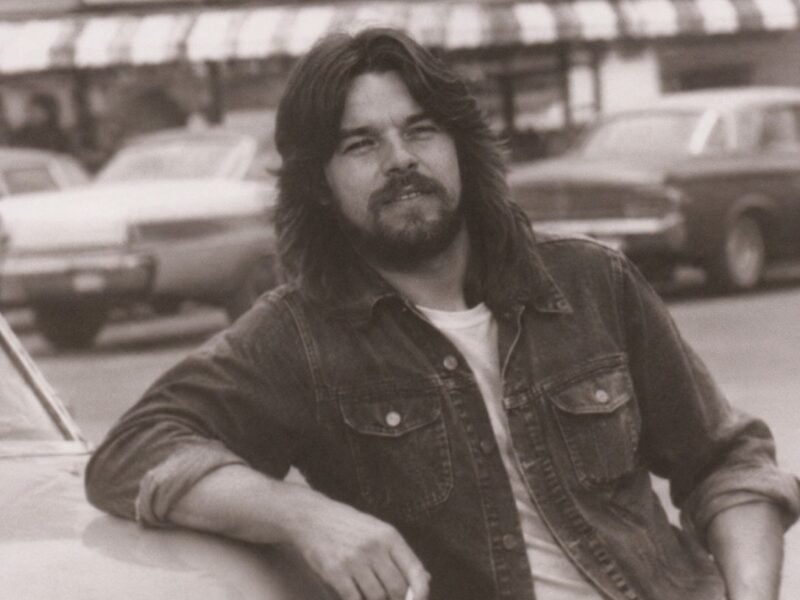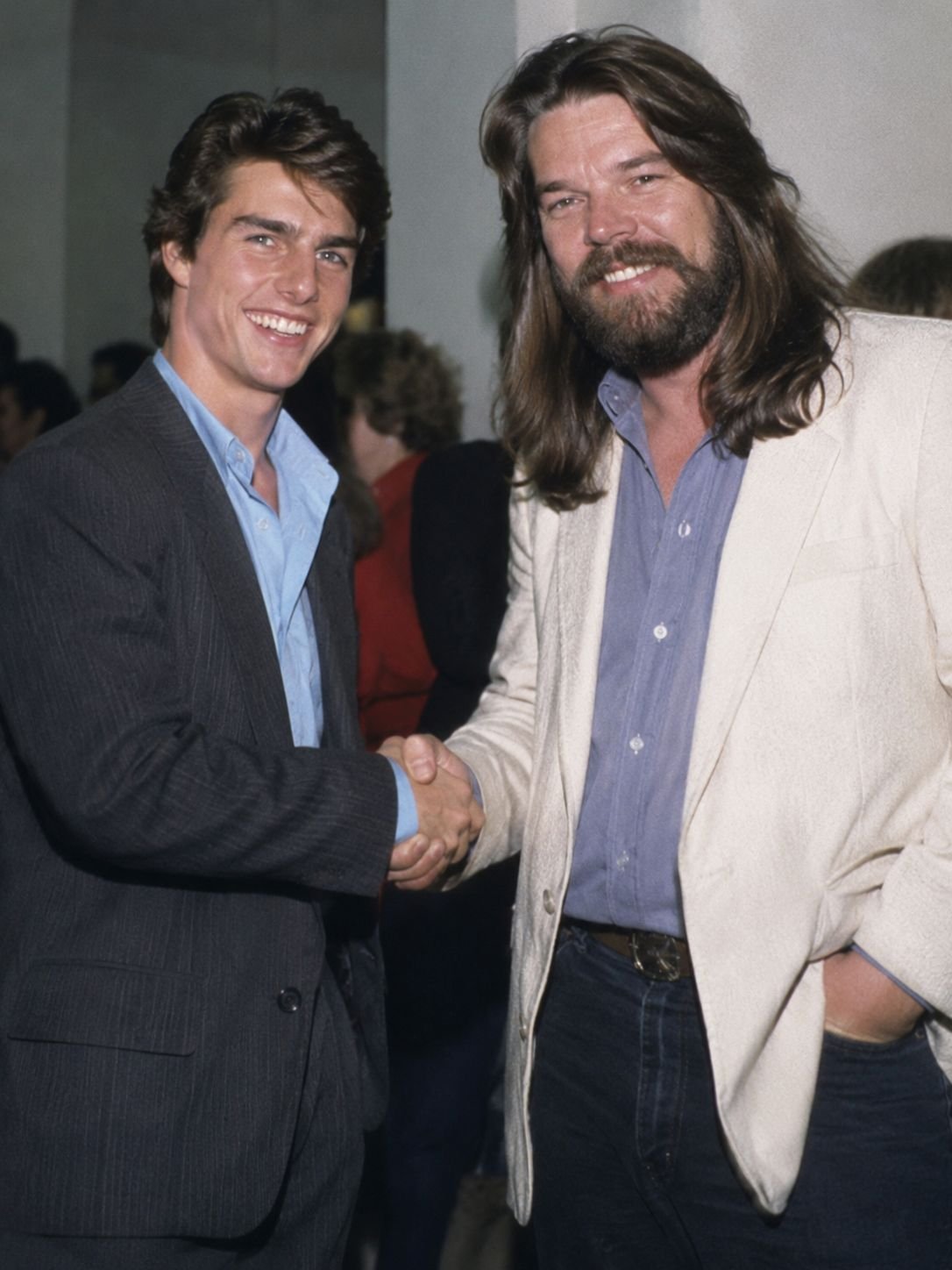
CHICAGO — Beneath the warm, sunlit suburban living room windows of a quiet North Shore home outside Chicago in nineteen-eighty-three, a twenty-one-year-old actor stood in his socks waiting for the camera to roll.
At that defining moment in Hollywood history, Tom Cruise was still an ambitious, relatively unknown young performer searching for the breakout role that would separate him from hundreds of hungry peers.
Five years earlier, in May nineteen-seventy-eight, Michigan rock icon Bob Seger had already released the punchy, piano-driven anthem “Old Time Rock and Roll” on his multi-platinum album Stranger in Town.
Originally written by George Jackson and Thomas E. Jones III at Muscle Shoals before Seger rewrote several verses and infused it with his unmistakable, gravel-soaked Detroit fire, the track had already become a solid concert favorite.
It was a lively, joyful tribute to classic rhythm-and-blues and traditional rock music—yet nobody inside Detroit recording studios or Hollywood editing rooms could possibly have predicted what was about to happen when a young actor stepped onto a polished hardwood floor five years later:
When director Paul Brickman’s coming-of-age film Risky Business arrived in American theaters in August nineteen-eighty-three, audiences expected a sharp, stylish teen comedy about suburban pressure and unexpected misadventure.
Instead, they witnessed a two-minute cinematic explosion that permanently fused cinema and rock music into one indelible cultural memory:
Left completely home alone while his wealthy parents are out of town, Tom Cruise’s buttoned-up high school character Joel Goodson strolls casually into the quiet family living room wearing nothing more than an unbuttoned pink dress shirt, white briefs, and white athletic socks.
Spotting his father’s high-end stereo console across the room, he walks over, flicks on the power switch, and turns the volume dial all the way up.
Within a fraction of a second, that iconic, unmistakable opening piano riff crashes through the speakers—and Bob Seger’s powerhouse voice fills every corner of the empty house:
“Just take those old records off the shelf…”
And in one smooth, breathless, gravity-defying slide across the polished wooden living room floor, Tom Cruise glides into frame—grabbing a fireplace poker like a microphone stand, lip-syncing every raspy syllable, and dancing with uninhibited, joyful abandon as though nobody on earth is watching.
On screen, the spontaneous musical sequence lasted barely two minutes—yet its seismic cultural impact has echoed uninterrupted across more than four decades of American pop culture.
Almost overnight, a Bob Seger recording that had already been spinning on turntables and car radios for five full years became permanently, inseparably linked to one of the single most recognizable moments in American movie history.

Twenty-one-year-old Tom Cruise skyrocketed immediately into a bona fide Hollywood superstar, and that sock-footed living room slide became an immortal pop-culture touchstone that generations of athletes, politicians, actors, and everyday families would imitate in their own living rooms for decades to come.
And for thirty-eight-year-old Bob Seger, his nineteen-seventy-eight recording of “Old Time Rock and Roll” found an extraordinary, roaring second life—surging back onto the Billboard Hot 100 in nineteen-eighty-three and cementing itself forever as one of the most played jukebox and wedding anthems in world history.
Yet tucked quietly behind that legendary silver-screen pairing lies an especially fascinating, often overlooked detail that makes the story even more remarkable:
“Old Time Rock and Roll” was never commissioned, composed, or recorded for Risky Business—and Bob Seger certainly hadn’t stepped into a microphone in nineteen-seventy-eight with a twenty-one-year-old Tom Cruise dancing in socks in mind.
In fact, early script notes had even toyed with other musical ideas before Tom Cruise and the filmmakers realized that nothing captured pure, unfiltered American joy quite like Seger’s gritty, soulful celebration of classic rock and roll.

Hollywood simply took an existing, five-year-old Bob Seger recording—forged out of his genuine reverence for the music of his youth—and gave it an entirely new, unforgettable visual identity that multiplied its reach across generations.
One hungry young actor, one empty suburban living room, and one timeless Bob Seger recording combined into pure lightning in a bottle that neither music lovers nor movie fans could ever forget.
Even more endearing was how Bob Seger himself—forever humble, self-deprecating, and grounded in Michigan common sense—reacted to watching his song become synonymous with Tom Cruise’s underwear dance:
Rather than taking himself too seriously or acting possessive over how the song was used, Seger grinned broadly, embraced the joy it brought millions of people, and recognized immediately that Tom Cruise’s infectious energy had introduced his music to millions of brand-new young fans who hadn’t even been in high school when Stranger in Town came out.
To truly understand why Bob Seger infused “Old Time Rock and Roll” with such authentic, timeless warmth—and why millions of working-class Americans cherish Seger not as a distant celebrity, but as a beloved brother—one must look backward into the childhood that forged his soul:
Long before Bob Seger sold over seventy-five million albums worldwide, won his nineteen-eighty-one Grammy Award, entered the Rock and Roll Hall of Fame, and watched Tom Cruise slide across movie screens to his voice, he was young Bob growing up in Ann Arbor, Michigan.
Born in Detroit in nineteen-forty-five and raised largely in Ann Arbor, young Bob watched his father Stewart—a factory worker and part-time big-band musician—battle personal instability before abandoning the family altogether when Bob was barely ten years old.
Suddenly left behind with zero financial support, no savings account, and mounting unpaid bills, Bob’s courageous, hardworking mother Charlotte was forced to raise Bob and his older brother George completely alone.
During the hardest, leanest stretch of those nineteen-fifties childhood years, Charlotte and her two young boys lived inside a single cramped room on Third Street in Ann Arbor furnished with simple bunk beds:
They didn’t even have a private bathroom of their own—sharing basic hallway facilities with neighboring tenants while Charlotte worked exhausting, low-paying shifts just to keep food on the table and winter coats on her sons.
Young Bob sat quietly in the dim evening light watching his exhausted mother’s worn hands tremble from fatigue while she counted every single dollar bill beneath a bare lamp to pay the weekly rent.
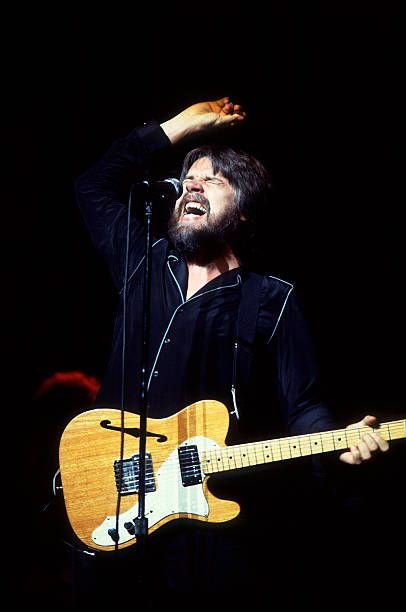
In those lonely childhood evenings, the one bright, magical escape inside that cramped Ann Arbor room was music spinning on an old radio—the raw, joyful rhythm-and-blues and early rock-and-roll records that lifted young Bob’s spirits and promised that better days lay ahead.
When Seger later rewrote the verses of “Old Time Rock and Roll” in nineteen-seventy-eight—declaring proudly that “today’s music ain’t got the same soul”—he wasn’t writing clever nostalgia for radio programmers; he was singing straight from the heart of the boy who had survived hard times through those exact records.
“Honest music stays with people through every season of life,” Seger’s upbringing and career proved again and again, “and when something real connects with people’s joy, it never grows old.”
Even after marrying his devoted wife Juanita Dorricott in nineteen-ninety-three and stepping away from grueling cross-country touring for over a decade so he could be a steady, loving, present father to his two children, Cole and Samantha, in Michigan:
Bob Seger remained that exact same approachable, big-hearted Midwestern working man who treasured family, humility, and shared joy above Hollywood glitz.

Today, in November twenty-twenty-six, as eighty-one-year-old Bob Seger enjoys peaceful autumn days in Michigan surrounded by Juanita, Cole, Samantha, and lifelong friends, that unforgettable nineteen-eighty-three Risky Business moment shines brighter than ever:
Forty-three years after twenty-one-year-old Tom Cruise slid across a Chicago living room floor in white socks, all it takes is three piano chords of Bob Seger’s “Old Time Rock and Roll” to make millions of people smile, turn up the volume, and dance like nobody is watching.