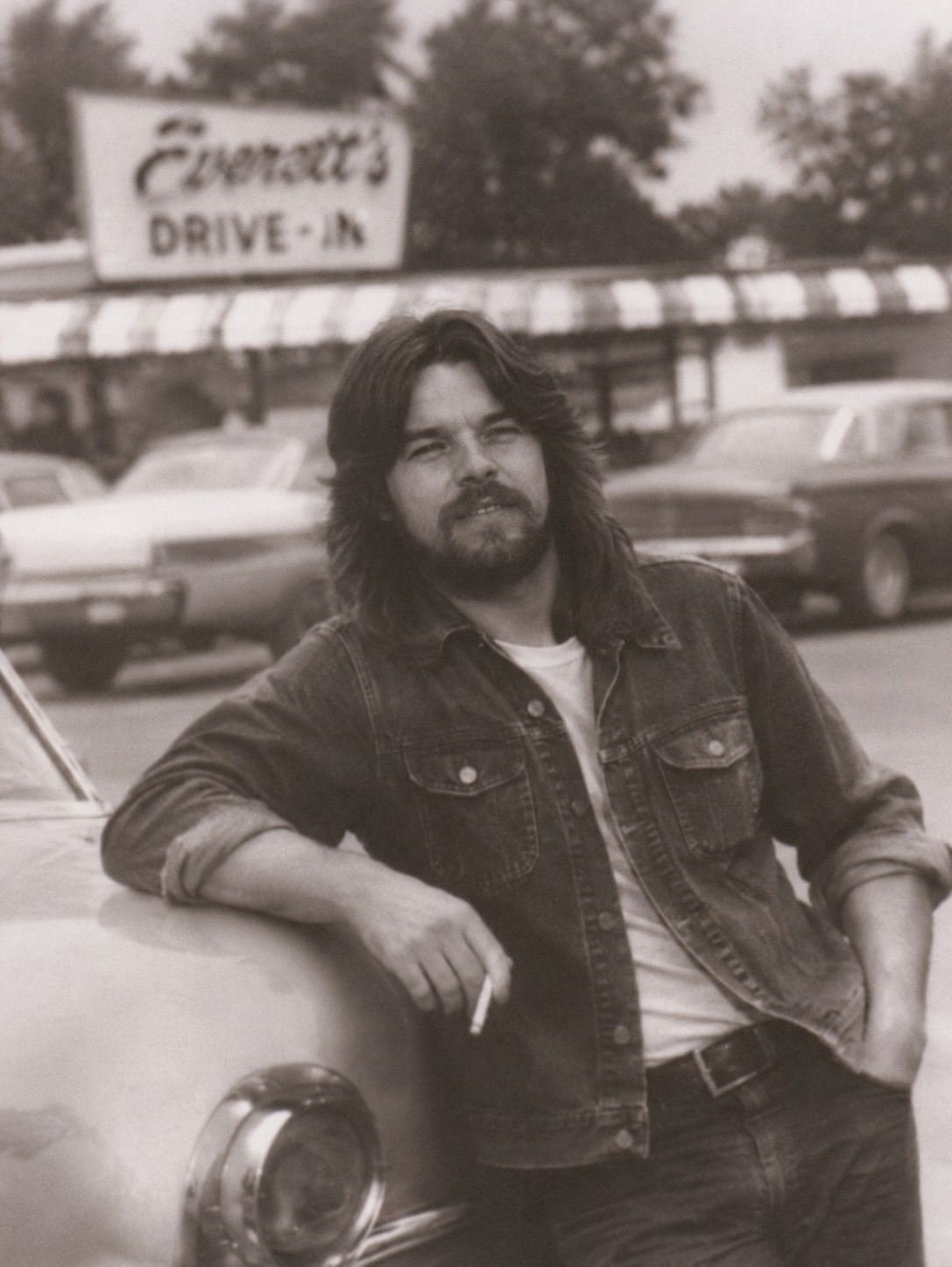
LOS ANGELES — Beneath the warm, neon-streaked twilight of the Hollywood Hills above Sunset Strip in early nineteen-seventy-eight, thirty-two-year-old Michigan rocker Bob Seger was simply taking an evening drive through Southern California.
Following the massive, long-awaited national breakthrough of Live Bullet and Night Moves in nineteen-seventy-six, Seger had temporarily traded the freezing gray winters of Ann Arbor and Detroit for the palm-lined canyons of Los Angeles to prepare his next studio album.
Surrounding him in every direction were the glittering city lights of the Los Angeles basin, the endless pulse of Sunset Boulevard traffic below, and the dizzying, restless glamour of a city where dreamers arrived daily hoping to reinvent themselves.
Yet on this particular evening in nineteen-seventy-eight, Seger wasn’t heading toward a Hollywood industry party, a celebrity hangout, or an all-night recording session—he was just a working-class guy from Michigan behind the steering wheel soaking in the unfamiliar California night air.
Then, somewhere along the winding canyon roads climbing into the Hollywood Hills just above the Sunset Strip, something sudden, electric, and completely unexpected struck him out of nowhere:
A driving, urgent, unmistakable rock-and-roll melody—complete with a pounding rhythmic pulse and an opening vocal cadence—began forming spontaneously inside his head.
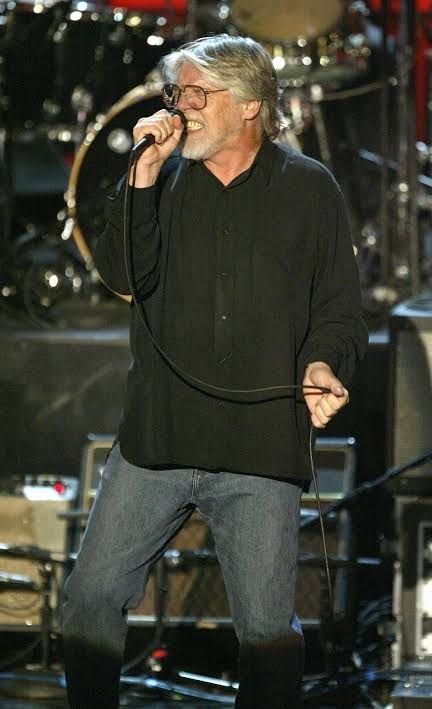
Inside the quiet cabin of his car, there was no twenty-four-track recording console waiting to capture the spark, no Silver Bullet Band standing beside their amplifiers, no acoustic guitar resting on the passenger seat, and not even a yellow legal pad filled with carefully outlined lyrics:
There was just Bob Seger, two hands gripping the steering wheel along the curving California asphalt, and a fleeting musical idea so vivid, urgent, and alive that he knew in his gut he couldn’t afford to lose a single note of it.
Every seasoned songwriter knows the quiet terror of watching a brilliant melody drift into the mind like lightning—only to vanish without a trace ten minutes later if it isn’t captured immediately.
Without hesitating for even a second, Bob Seger didn’t continue his leisurely evening drive toward the coast or pull off at a scenic overlook to admire the view:
Instead, he found the very first safe place to turn the car completely around, pointed his headlights straight back toward the house where he was staying in Los Angeles, and pressed steadily on the accelerator.
As the miles ticked past through the darkened canyon streets, Seger made a remarkably disciplined, protective choice inside the quiet car:
He refused even to reach down and switch on the car radio, terrified that hearing three bars of another artist’s song or a commercial jingle might scramble his concentration and push that fragile, newborn melody straight out of his memory before he could lock it onto tape.
Driving in complete, focused silence—humming the rhythm softly under his breath at every red light and tapping the beat gently with his fingers against the steering wheel so the tempo stayed locked in his bones—Bob Seger raced against his own human memory all the way back to his front door.

The exact instant his tires crunched onto the driveway and he hurried inside the house, Seger bypassed the kitchen, ignored the telephone, and headed straight for a simple portable cassette recorder sitting on a table:
Pressing down the plastic record button with a sharp mechanical click, he immediately hummed, sang, and captured that urgent, breathless melody onto magnetic cassette tape before a single note could slip away into the California night.
Listening back to that raw, unpolished cassette tape moments later, Seger realized immediately that he had caught pure lightning in a bottle—the unmistakable rhythmic heartbeat of a young Midwestern outsider swept up in the intoxicating, dizzying whirlwind of Los Angeles.
That spontaneous, pulse-pounding moment on a winding Hollywood road eventually blossomed into “Hollywood Nights”—one of the most electrifying, enduring standout tracks on Bob Seger’s landmark May nineteen-seventy-eight album Stranger in Town.
Driven by thunderous drums, roaring guitars, and Seger’s soaring, breathless vocal storytelling about a lonely Midwestern boy dazzled by California lights and late-night romance, “Hollywood Nights” surged straight into the Top Fifteen of the Billboard Hot 100 and became an immortal classic-rock staple.
To millions of listeners who crank up the volume every time that iconic opening drumbeat kicks in on the car radio, the song captures every ounce of the excitement, danger, and restlessness of nineteen-seventies Los Angeles:
Yet its true origin was remarkably, beautifully simple—one humble Michigan musician turning his car around in the dark, driving in total silence without the radio, and racing against his own memory to save a melody before it vanished forever.
Even more remarkable is the quiet, grounded truth behind why Bob Seger never let the seductive glitter of Hollywood nights swallow his soul or change who he was:
While plenty of young rock stars arriving in Los Angeles in the late nineteen-seventies lost themselves permanently in Hollywood excess, vanity, and coastal ego, Bob Seger observed the glamour from the outside—wrote a timeless masterpiece about it—and always kept his compass pointed straight back home to Michigan.
To truly understand why Bob Seger treated every single spontaneous melody like a precious gift—and why millions of working-class Americans love Seger not as a distant Hollywood celebrity, but as a trusted brother—one must look backward into the childhood that forged his soul:
Long before Bob Seger sold over seventy-five million albums worldwide, won his nineteen-eighty-one Grammy Award, entered the Rock and Roll Hall of Fame, and raced home through the Hollywood Hills to record “Hollywood Nights” on a cassette tape, he was young Bob growing up in Ann Arbor, Michigan.
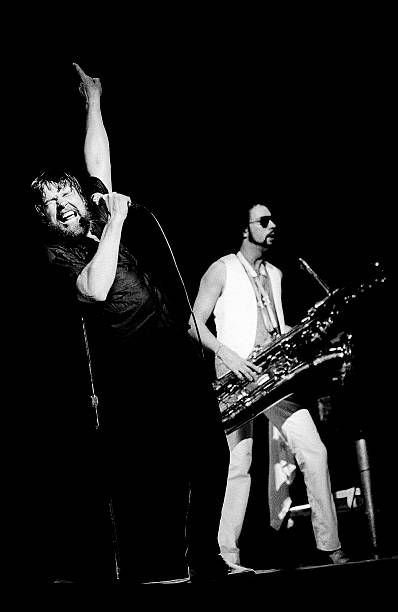
Born in Detroit in nineteen-forty-five and raised largely in Ann Arbor, young Bob watched his father Stewart—a factory worker and part-time big-band musician—battle personal instability before abandoning the family altogether when Bob was barely ten years old.
Suddenly left behind with zero financial support, no savings account, and mounting unpaid bills, Bob’s courageous, hardworking mother Charlotte was forced to raise Bob and his older brother George completely alone.
During the hardest, leanest stretch of those nineteen-fifties childhood years, Charlotte and her two young boys lived inside a single cramped room on Third Street in Ann Arbor furnished with simple bunk beds:
They didn’t even have a private bathroom of their own—sharing basic hallway facilities with neighboring tenants while Charlotte worked exhausting, low-paying shifts just to keep food on the table and winter coats on her sons.
Young Bob sat quietly in the dim evening light watching his exhausted mother’s worn hands tremble from fatigue while she counted every single dollar bill beneath a bare lamp to pay the weekly rent.
The freezing Michigan winter wind rattled the loose window glass, hand-me-down coats were mended stitch by stitch so both boys stayed warm, and young Bob lay awake in his bunk bed listening to his mother work tirelessly.
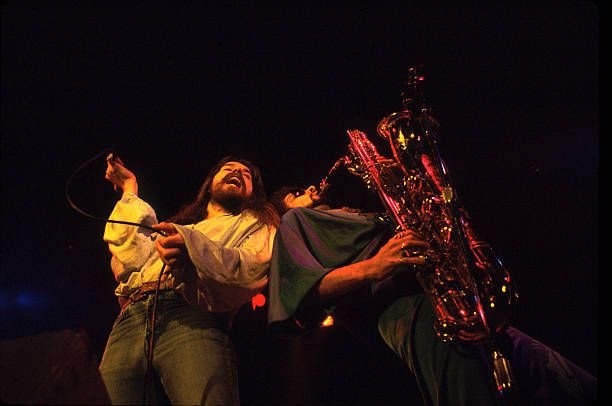
Those early childhood nights—watching his single mother sacrifice every ounce of her own comfort without ever complaining—burned an unshakable code of gratitude, discipline, and working-class humility straight into Bob Seger’s soul.
“When inspiration knocks on your door, you never take it for granted,” Seger’s upbringing and hard-won career taught him early, “and no matter how bright the city lights shine, you never forget where your real home is.”
Because Bob Seger had spent more than ten grueling years playing smoky Michigan teen clubs, hauling his own heavy amplifiers through blinding winter snowstorms, and scribbling lyrics on yellow legal pads before Live Bullet and Night Moves broke through in nineteen-seventy-six, he never wasted a single spark of inspiration—not even on a simple cassette recorder in nineteen-seventy-eight:
Even decades later, after marrying his devoted wife Juanita Dorricott in nineteen-ninety-three and stepping away from grueling cross-country touring for over a decade so he could be a steady, loving, present father to his two children, Cole and Samantha, in Michigan:
Bob Seger remained that exact same grounded, big-hearted Midwestern storyteller who valued real people, real family, and honest work infinitely more than Hollywood fame.
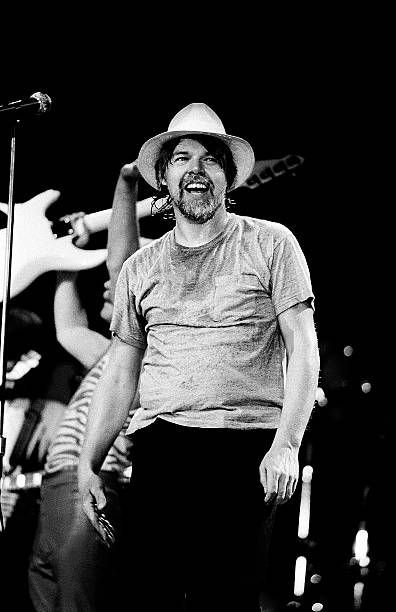
Today, in November twenty-twenty-six, as eighty-one-year-old Bob Seger enjoys peaceful autumn days in Michigan surrounded by Juanita, Cole, Samantha, and lifelong friends, the story of how “Hollywood Nights” was born shines with timeless charm:
Forty-eight years after Bob Seger turned his car around near Sunset Strip, drove home in complete silence without touching the radio, and pressed record on a humble cassette player, “Hollywood Nights” still sends chills down the spine every time it plays—proving forever that when a true artist races to protect a melody, the whole world gets to hear it forever.