For family members caring for an older adult, few things are as unsettling as a sudden, unexplained change in their condition. One moment they are lucid and engaged, and the next, they are confused, their speech is slurred, or one side of their face seems to droop. Perhaps the episode lasts only a few minutes before they return to normal, leaving everyone to wonder what just happened. These brief spells are often transient ischemic attacks, or mini-strokes. Despite their temporary nature, TIAs are a profound medical warning. They indicate that the brain’s blood supply was briefly compromised, and they significantly increase the likelihood of a major, disabling stroke in the near future.
The root causes of a TIA are typically found in the health of the heart and blood vessels. Seniors with a history of high blood pressure, high cholesterol, or diabetes are at a heightened risk, as these conditions can damage and narrow arteries. An irregular heartbeat, known as atrial fibrillation, can also lead to the formation of clots that may travel to the brain. Factors within a person’s control, such as smoking, obesity, and physical inactivity, further elevate this risk. Acknowledging these risk factors is the first step toward a preventive strategy that focuses on holistic vascular health.
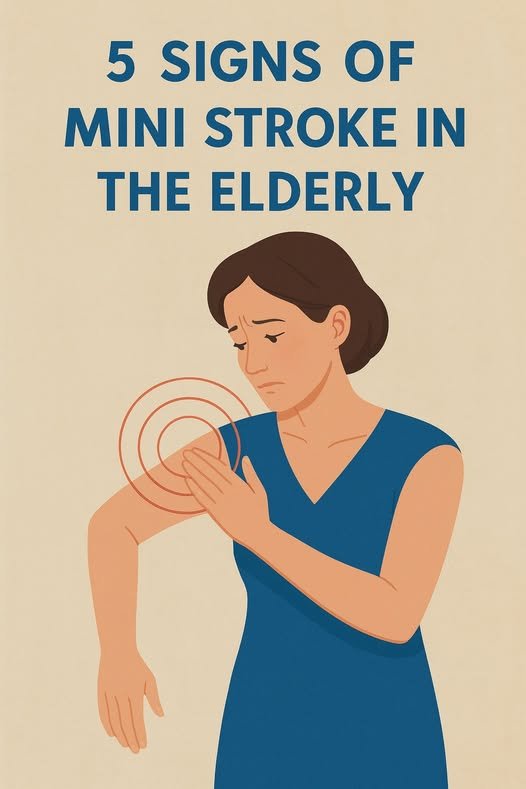
Recognizing the signs is a critical skill for any caregiver. The symptoms of a TIA strike suddenly and can include numbness or weakness, typically confined to one side of the body. The person may have trouble walking due to dizziness or a loss of balance. Their speech may become difficult to understand, or they may be unable to find the right words. Vision may suddenly become impaired in one or both eyes. It is crucial to understand that the brief duration of these symptoms is misleading. The fact that they resolve quickly does not mean the danger has passed; it means the window to prevent a catastrophe is still open.
The correct course of action is clear and urgent. If you observe any symptoms of a TIA, you must call for an ambulance immediately. Do not attempt to drive the person yourself unless instructed by a 911 operator. Emergency medical teams can begin assessment and care en route to the hospital. At the hospital, doctors can perform crucial tests to diagnose the TIA and implement a treatment plan to prevent a recurrence. This plan may involve medications, dietary changes, and increased physical activity. Your swift response is the most powerful tool in protecting your loved one from a future stroke and ensuring they continue to enjoy a high quality of life.