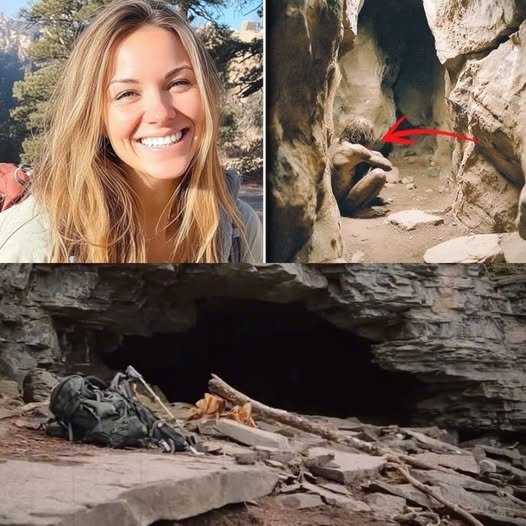
The beam of light cut through the absolute black, not illuminating ancient rock, but a form that should not have been there. It was a human figure, so still and waxy that the cavers thought they had found a relic. Then, a breath—a single, almost imperceptible rise of the chest—shattered that notion. The woman was alive. Her name was Lisa Burns, and she had been missing for two years. The rescue that followed was a delicate operation, lifting a fragile shell of a person from a darkness that had seemingly consumed her whole.
In the sterile light of the hospital, the full scope of her ordeal began to surface. Her body was a map of old suffering, with bones that had been broken and healed poorly, not once, but many times. Her mind had retreated to a place beyond reach, a silent fortress to protect itself from an unthinkable reality. She was a ghost, not of the dead, but of the living, her spirit buried deep within the prison of her own form. The cave she was pulled from was not a shelter; it was a nest, a place made for sustained habitation by someone with a terrifying purpose.
Detective Sims pieced together the story from the silent testimony of the cave itself. The blocked entrance, the worn patches on the wall from a larger frame, the notebook with its desperate warning about “him.” This was no survival story; it was a captivity narrative. Lisa had not been alone. She had been a possession, a “misplaced gem” for a captor who moved freely in the world above while keeping her anchored in the hell below. When she finally whispered, her words were fragments of a two-year-long scream, echoes of a monster who told her the world was dangerous and that she was his. She was saved from the earth, but the real rescue—freeing her mind from the darkness—had only just begun.