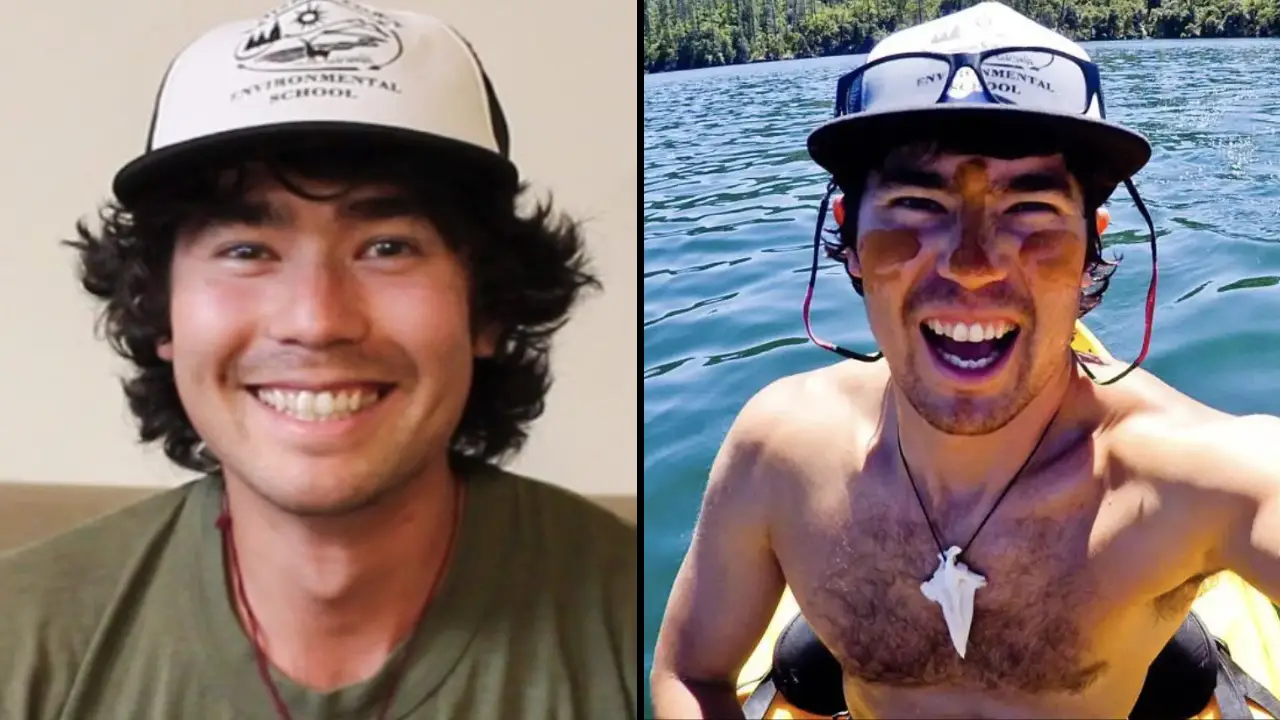

Credit: @johnachau/Instagram
Haunting Final Post Of American Missionary Killed Trying To Convert Indigenous Tribe
The haunting final post of an American missionary killed trying to convert an indigenous tribe is haunting the internet.
For decades, one remote island has remained almost completely untouched by the modern world.
Protected by law and feared because of its violent history toward outsiders, the isolated landmass has become one of the planet’s most mysterious places, a location so dangerous that approaching it is illegal.
Yet despite repeated warnings, one American traveler became convinced he had a mission to reach the people living there.
What followed would spark global outrage, fierce ethical debates, and renewed conversations about missionary work, colonialism, and the dangers of contacting isolated tribes.
Years later, the haunting details surrounding his final days continue to fascinate people online, especially the chilling final post he shared shortly before his death.
One of the world’s most isolated tribes has resisted outsiders for centuries
North Sentinel Island sits deep within the Indian Ocean in the Bay of Bengal and is home to the Sentinelese tribe, one of the last remaining uncontacted Indigenous groups on Earth.
Anthropologists believe the Sentinelese have lived on the island for tens of thousands of years, largely isolated from modern civilization, per the Guardian.
Because of that isolation, Indian authorities strictly prohibit outsiders from approaching the island in order to protect the tribe from disease, exploitation, and violence.
The Sentinelese are also known for aggressively defending their territory.
Over the years, there have been multiple reports of arrows being fired at helicopters, fishing boats, and anyone attempting to approach the island’s shores.
Following the devastating 2004 Indian Ocean tsunami, helicopters sent to check on the tribe were reportedly met with arrows from tribespeople who survived the disaster and wanted outsiders to stay away.
Experts have repeatedly warned that even brief contact with outsiders could prove catastrophic for the Sentinelese because they have little to no immunity against many common illnesses carried by the outside world.
That’s one of the reasons North Sentinel Island is often described as a strict ‘no-contact’ zone.
But despite the obvious dangers and legal restrictions, one American missionary became determined to reach the island anyway.
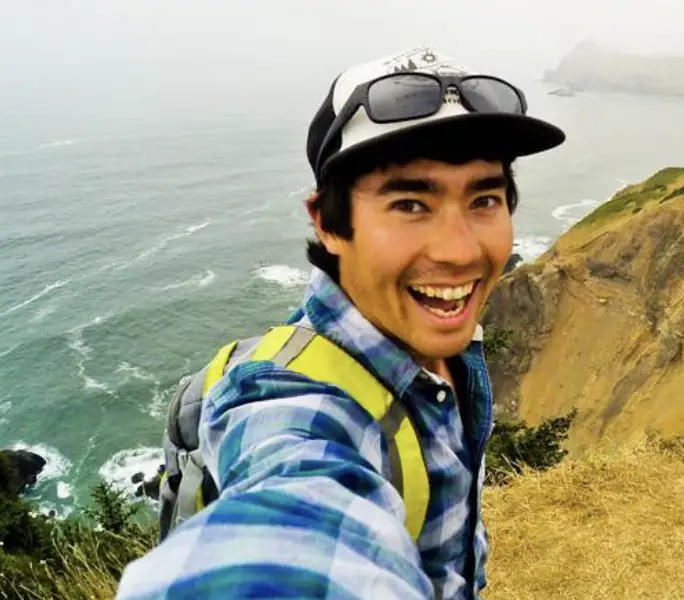
In 2018, 26-year-old American missionary John Allen Chau secretly traveled to the Andaman Islands after years of preparation and religious training.
Chau had reportedly become fascinated by missionary work and isolated tribes from a young age.
According to reports, he believed it was his spiritual duty to introduce Christianity to the Sentinelese people despite knowing how dangerous the mission could be.
He allegedly spent years training physically and mentally for the journey, including survival courses, medical training, and missionary programs.
Before attempting to reach the island, Chau reportedly hired local fishermen to illegally transport him close to North Sentinel Island under cover of darkness.
He also prepared gifts for the tribe, including fish, scissors, fishing hooks, and safety pins.
In diary entries later recovered by investigators, Chau appeared fully aware that the trip could end in his death.
“You guys might think I’m crazy in all this,” he reportedly wrote. “But I think it’s worth it to declare Jesus to these people.”
In another heartbreaking note to his family, he pleaded with them not to blame the Sentinelese if he failed to survive the mission.
“Do not be angry at them or at God if I get killed,” he wrote.
Chau made several attempts to approach the island during November 2018.
According to his journals, the Sentinelese initially reacted with hostility, aiming bows and arrows at him as he tried to communicate.
“My name is John,” Chau reportedly shouted from his kayak. “I love you and Jesus loves you.”
During one encounter, an arrow allegedly struck the waterproof Bible he was carrying.
Despite the obvious danger, Chau continued attempting to make contact.
His death sparked outrage and divided opinion worldwide
On November 17, 2018, Chau made what would become his final journey toward the island.
The fishermen who had helped transport him later claimed they watched from a distance as members of the tribe attacked him on the beach before dragging his body away.
Indian authorities later attempted to recover his remains but ultimately abandoned the mission because of the extreme danger involved in approaching the island.
Several people connected to the trip, including the fishermen who transported Chau, were arrested following the incident.
News of his death quickly spread around the world and triggered intense debate online.
Some people viewed Chau as a deeply committed missionary who knowingly sacrificed his life for his faith.
Others harshly criticized his actions, arguing he recklessly endangered the Sentinelese by attempting contact despite clear warnings and legal restrictions.
Human rights organizations and Indigenous advocacy groups condemned the mission, with many pointing out that isolated tribes face devastating risks from outside diseases.
Survival International, a group that campaigns for Indigenous rights, described Chau’s actions as reckless and irresponsible.
Meanwhile, some evangelical organizations praised Chau as a martyr who died trying to spread Christianity.
The controversy surrounding his death continued growing as more details emerged about his religious training and long-term plans to reach the island.
In the years since, North Sentinel Island has remained strictly off-limits, and authorities continue enforcing exclusion zones around the island to prevent further contact attempts.
The haunting final post still chills people years later
In the days leading up to his death, Chau continued documenting parts of his journey online.
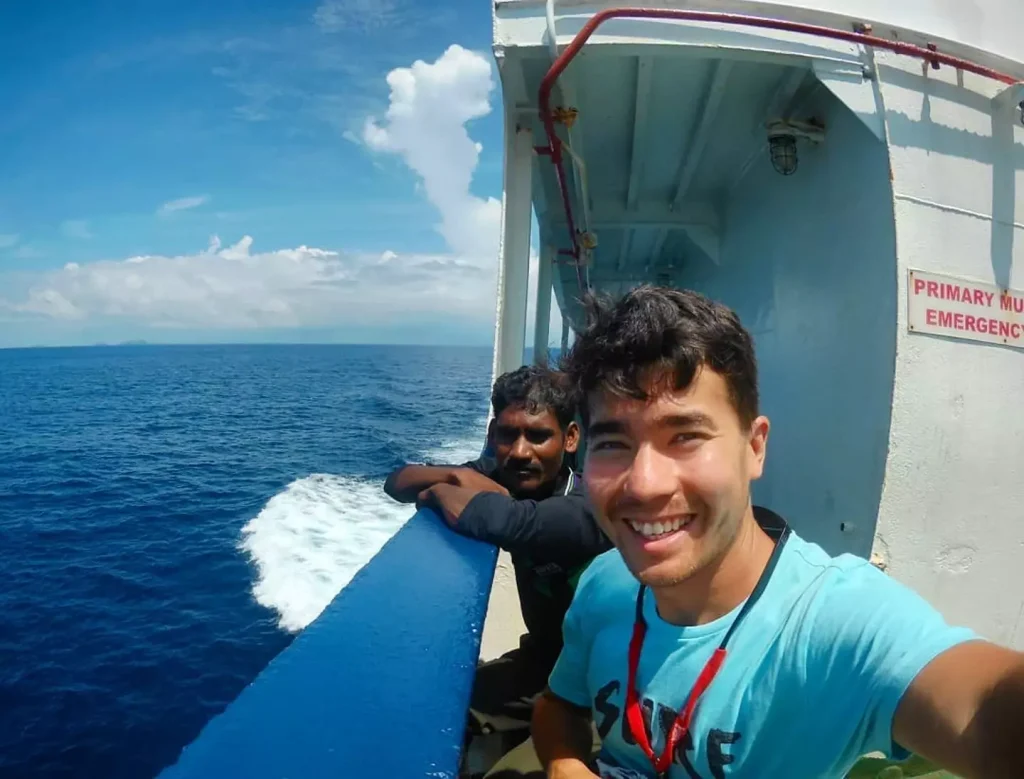
He shared several Instagram photos during his travels, showing himself kayaking, exploring tropical coastlines, and smiling alongside local fishermen.
At the time, the posts appeared like ordinary travel updates.
But after news of his death broke, one particular image suddenly took on a much darker meaning.
The photo showed Chau smiling beside a fisherman shortly before his final attempt to reach North Sentinel Island.
Its caption simply read: “Kayaking the tropics in this endless summer.”
The image is now widely believed to be the final photo Chau posted before he was killed.
Following his death, his family released an emotional public statement asking people to remember him with compassion despite the controversy surrounding his actions.
“He loved God, life, helping those in need, and had nothing but love for the Sentinelese people,” the statement read.
They also said they forgave those responsible for his death and requested the release of the fishermen arrested in connection with the incident.
Years later, the story of John Allen Chau continues dividing public opinion.
Some still view him as a reckless outsider who ignored clear warnings and endangered a protected Indigenous tribe.
Others believe he genuinely thought he was carrying out a spiritual mission larger than himself.
Related Article: Mom Horrified To ‘Discover Son’s Dead Body’ On Display At Museum
Related Article: Haunting Final Post Of Teenager Found Dead On Cruise Ship
Want more stuff like this?
Get the best viral stories straight into your inbox!