Family gatherings are rarely perfect, and sometimes their most valuable moments are the difficult ones. I learned this during a Thanksgiving at my friend Layla’s house, an experience that started with shame and ended with a quiet lesson about the many ways families show love. It was a reminder that care doesn’t always look the way we expect it to, and that judging a person’s heart based on a single moment can cause us to miss their true intentions.
The air in their home was filled with the wonderful chaos of a large family preparing a feast. As a child from a much smaller, quieter household, I was in awe. But during dinner, my nervousness got the better of me. I fumbled with the gravy boat, creating a small but noticeable mess on the tablecloth. The reaction from Layla’s mother was immediate and stern. Her sharp question about my upbringing made me feel like an outsider, and the rest of the meal was overshadowed by my humiliation.
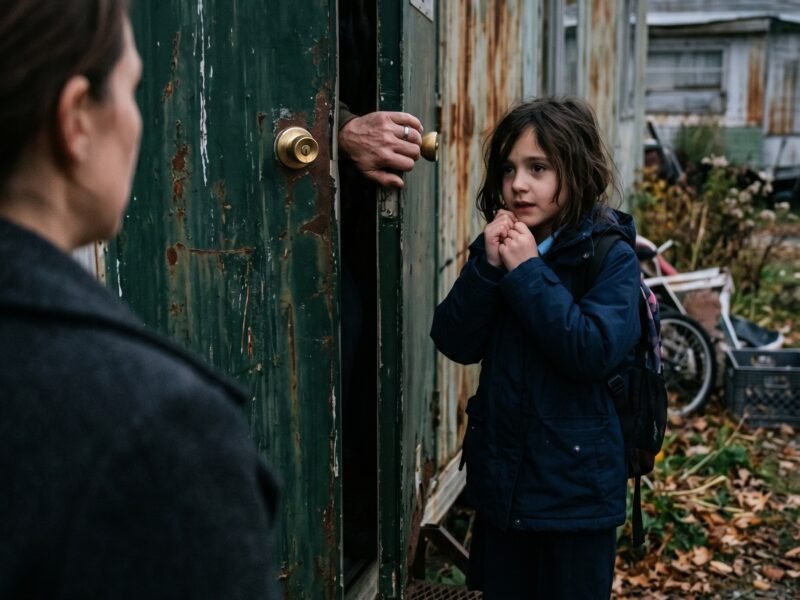
As I was leaving, head still hung low, the same woman who had reprimanded me handed me a container. There was no smile to ease the tension, no apology to soothe the sting. She simply instructed me to take the food. At the time, it felt confusing, almost like a contradiction. It was only later, when I saw the look on my own mother’s face as we shared the meal, that I began to understand the complex dynamics at play.
That Tupperware container was more than just leftovers; it was a message. It said that even though I had been scolded, I was still considered part of the circle, worthy of being sent home with a share of the family’s bounty. The kindness was there, but it was expressed in a language of action, not words. It was a tough-love approach to hospitality that acknowledged a mistake but refused to withdraw care because of it.
This childhood lesson has deeply influenced how I view relationships and family dynamics. I’ve learned that people, especially within families, often have a primary “language” of care. For some, it’s warm words; for others, like Layla’s mother, it’s practical provision. Now, as an adult, I make a point to extend hospitality without condition, understanding that everyone carries their own story to the table. I create space for imperfection, knowing that a single awkward moment never defines an entire relationship.