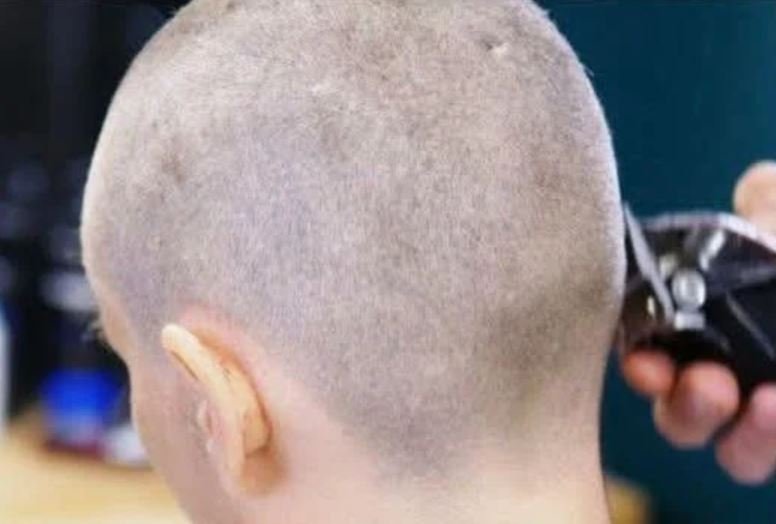
The task of shaping a child’s character is fraught with difficult decisions, especially when they cause serious hurt to others. A father recently faced this challenge head-on after learning his daughter had bullied a classmate with cancer. His solution—to shave her head—has provoked widespread debate, forcing us to examine the intersection of punishment, empathy, and parental judgment.
Details of the incident show a common teenage feud that took a vicious turn. The disagreement, which involved romantic jealousy and gossip, escalated until the daughter targeted the most visible sign of her classmate’s illness: her hair loss from chemotherapy. For the father, this represented a profound failure of empathy and basic human decency, compounded by the personal shock of learning new details about his daughter’s life through the ugly exchange.
His disciplinary action was designed to be unforgettable. By making his daughter experience a version of the physical difference she mocked, he intended to bridge a gap in understanding. He publicly stated that he wanted her to feel the stares and the vulnerability, believing that this direct experience would be the most effective teacher for a teenager seemingly numb to verbal correction.
The court of public opinion remains deeply split. Some see a parent courageously administering a dose of harsh reality, arguing that modern children are often over-coddled and under-disciplined. They believe this tangible consequence will build character where words have failed.
Others see a deeply problematic act that conflates punishment with revenge. They worry it models the very bullying behavior it seeks to correct, using power and humiliation to enforce compliance rather than guiding a child toward genuine, internalized compassion. This father’s drastic choice serves as a catalyst for a necessary but uncomfortable discussion about how we help children learn from their worst mistakes without replicating the harm.