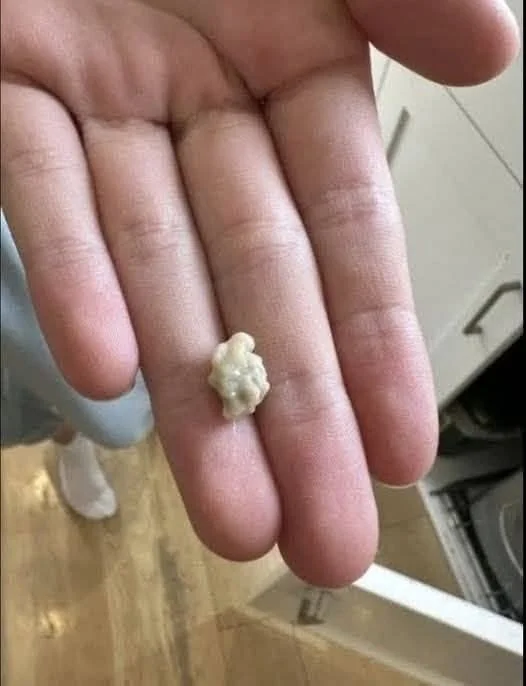
In the endless scroll of online video, a specific and satisfying niche has cemented its place: the removal of tonsil stones. This trend sits comfortably alongside other viral medical content, captivating audiences with its clear before-and-after payoff. Tonsil stones themselves are small, hardened deposits that form within the tonsils. Their journey from a minor physical occurrence to a subject of widespread online fascination reveals much about our collective curiosity and the informative power of digital platforms.
The tonsils are designed as a first line of defense for the immune system. Their uneven, pitted surface contains pockets meant to capture bacteria and viruses. Occasionally, these pockets, called crypts, also trap other organic material like dead cells, mucus, or tiny bits of food. Over time, this trapped debris can concentrate and harden into a pale, stone-like lump. For some, these stones are asymptomatic; for others, they can cause noticeable discomfort or bad breath, making their removal a physical relief.
That desire for relief is visually mirrored in the hugely popular removal videos online. Specific tutorials or demonstrations have garnered view counts exceeding fifteen million, signaling a massive audience. The satisfaction viewers derive is similar to that of watching a puzzle being solved—a clear obstruction is identified and neatly removed, restoring order. This visual catharsis is a powerful driver, making an otherwise clinical or personal process into a widely shared and oddly compelling experience.
Beyond the immediate “satisfaction” factor, this trend has a secondary effect of promoting incidental health education. For countless viewers, these videos are their first exposure to the concept of tonsil stones. This awareness can be genuinely useful, helping individuals put a name to persistent symptoms they may have dismissed. It encourages a more observant and informed relationship with one’s own body, highlighting that even small, hidden areas like the tonsils deserve occasional consideration.
The rise of tonsil stone content is a perfect example of how the internet can amplify and educate on the most specific topics. What was once a quiet, personal issue is now a recognized condition discussed in comment sections and social media posts worldwide. While the videos themselves cater to a particular interest, their broader contribution is a heightened public awareness. This curious trend ultimately reminds us that there is always more to learn about our own bodies, often from the most unexpected sources.