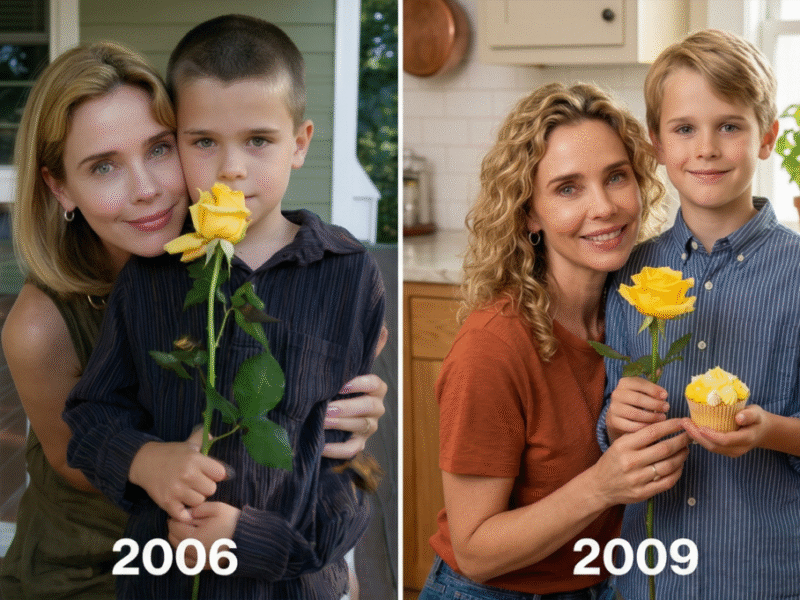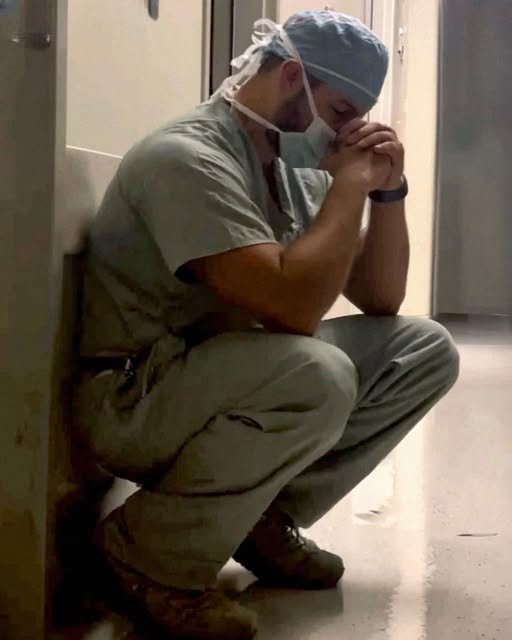
As a new surgeon, I learned that success is measured in a steady heartbeat on a monitor. My first true measure was Ethan, a five-year-old with a catastrophic chest injury. His survival was my defining triumph, made profoundly personal when I realized his mother was Emily, the girl I’d once loved. That night, I was a hero in their eyes. I held onto that feeling through divorces and quiet years, a small, bright light from the past. I never considered how the story might look from the other side.
Twenty years of saving lives didn’t prepare me for the confrontation in the parking lot. A man in his twenties, face contorted with rage, screamed that I was the reason his life was broken. The venom in his voice was a shock. Then I saw the scar—my first patient’s signature. This furious stranger was Ethan. His words, “You ruined my whole life!” were a devastating inversion of my proudest memory. But crisis is a great clarifier. His mother was dying in the car beside him, and in a second, we were allies in a new emergency.
That emergency was Emily, suffering a massive aortic dissection. The cruel poetry of the universe was undeniable: the woman connected to my first save was now my most urgent one. Leading her surgery, my focus was absolute, but beneath the clinical precision was a torrent of emotion—for the young man weeping outside, for the woman on the table, for the strange loop my life had taken. When we restored her stability, it felt like closing a circle I hadn’t known was still open.
Afterward, I approached a shattered Ethan. Telling him his mother would live softened his entire being. I then told him my name, not just as his mother’s surgeon that day, but as the surgeon from his childhood. The confusion, then the staggering realization, played out across his face. He apologized through tears, explaining a lifetime of anger directed at the accident, the scar, and the anonymous medical figures he held responsible for his family’s pain. His epiphany was simple: he would choose the pain a thousand times over if it meant his mother lived.
That moment transformed us both. His forgiveness was a surgery on my own soul, removing a burden I hadn’t known I carried—the hidden fear that my intervention, however medically successful, had unleashed a wave of unintended suffering. Now, with Emily recovering, we have a tentative, hopeful connection. We meet, we talk. The narrative has been rewritten not with a scalpel, but with honesty and a shared, hard-won grace. The boy I saved once needed a second save, not of his body, but of his understanding. And in giving it, he saved something in me.