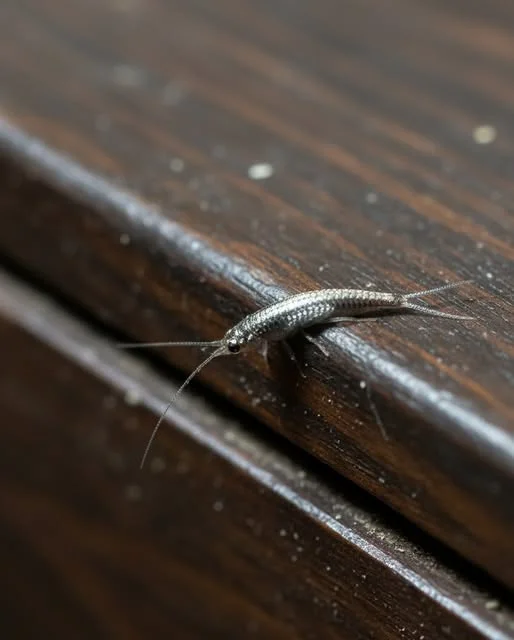
Discovering a silverfish in your home can be startling, but it’s more than a random pest encounter—it’s a diagnostic clue. These ancient, wingless insects are bio-indicators, their presence revealing specific imbalances in your home’s environment. They are not dangerous, but they are symptomatic of conditions that can harm your possessions, from cherished books to stored clothing. By understanding what the appearance of a silverfish truly means, you can address the root causes and restore a healthier, more resilient living space.
The primary message a silverfish carries is one of excess moisture. They require high humidity to survive and are most commonly found in bathrooms, basements, laundry rooms, and kitchens. If you see one, it’s a prompt to conduct a moisture audit. Look for signs like peeling wallpaper, water stains, dripping faucets, or musty odors. Their secondary message concerns available food. Silverfish have a peculiar diet rich in polysaccharides; they consume paper, cardboard, glue, linen, cotton, silk, and even dead skin cells. Clutter provides them with an ideal buffet and a network of dark hiding places.
Reclaiming your home from these pests is a logical process of elimination. Attack the problem at its source by drying things out. Use exhaust fans during and after showers, consider a basement dehumidifier, and ensure your home has proper ventilation. Next, disrupt their food supply. Declutter storage areas, replacing cardboard boxes with plastic bins. Store dry goods like pasta and cereal in sealed containers. Vacuum frequently, paying close attention to edges, closets, and under furniture where dust and debris accumulate. This simple sanitation drastically reduces their resources.
For additional control, there are several low-impact strategies. Creating physical barriers by sealing cracks in baseboards, around pipes, and in foundations can limit their movement. Non-toxic options like diatomaceous earth can be applied in out-of-the-way spots; it works mechanically to deter pests. Jar traps baited with flour or a piece of bread allow you to catch and monitor populations. Essential oils such as cedarwood, citrus, or lavender can be used in diffusers or on cotton balls in cabinets as a deterrent, though their effects are often temporary and need refreshing.
The long-term goal is to create an environment where silverfish simply cannot thrive. This is achieved through proactive habits. Maintain low indoor humidity, ideally between 30% and 50%. Be deliberate about storage, keeping paper items and natural fabrics in dry, elevated areas rather than damp basements. Periodically inspect behind appliances and in the backs of cabinets. Viewing a silverfish not as a sign of failure, but as a helpful indicator, changes your response from one of alarm to one of informed action. By correcting the conditions they reveal, you build a cleaner, drier, and more protected home.