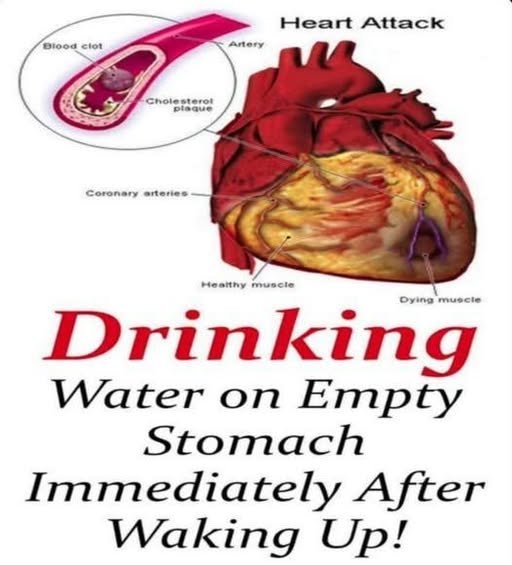
When we imagine a heart attack, we often think of dramatic chest-clutching scenes. However, the reality is that our bodies often send a much more nuanced and gradual distress signal. In the month before a cardiac event, a series of subtle changes can occur, offering a critical window of opportunity for those who know what to look for. Understanding these lesser-known signs can empower you to act before a full-blown crisis unfolds.
The first sign is often a crushing fatigue that rest doesn’t cure. This is your body conserving energy for your overworked heart. As your heart muscle strains against clogged arteries, it demands more fuel, leaving you feeling constantly drained and heavy. Alongside this exhaustion, you might observe swelling in your feet and ankles. This swelling is a direct result of your heart failing to circulate blood properly, causing fluid to back up in your tissues, a condition known as peripheral edema.
Another key signal is breathlessness. If routine activities like making the bed or walking to the mailbox leave you panting, your heart may be warning you that it can’t keep up with your body’s oxygen demands. This is often paired with spells of lightheadedness or sudden weakness. These episodes are serious; they mean your brain and muscles are being deprived of adequate blood flow, which can lead to stumbles or falls without any apparent cause.
Many people also report a vague but persistent sense of chest pressure or fullness, a feeling that something just isn’t right. Perhaps the most deceptive sign is developing unexplained, cold-like symptoms. You might feel generally unwell, clammy, and achy, as if you’re coming down with the flu, but without the respiratory issues. This is your entire body responding to the immense stress your heart is under. If you notice a combination of these symptoms, it is imperative to see a doctor immediately. This is your body’s way of handing you a lifeline—grab it with both hands.