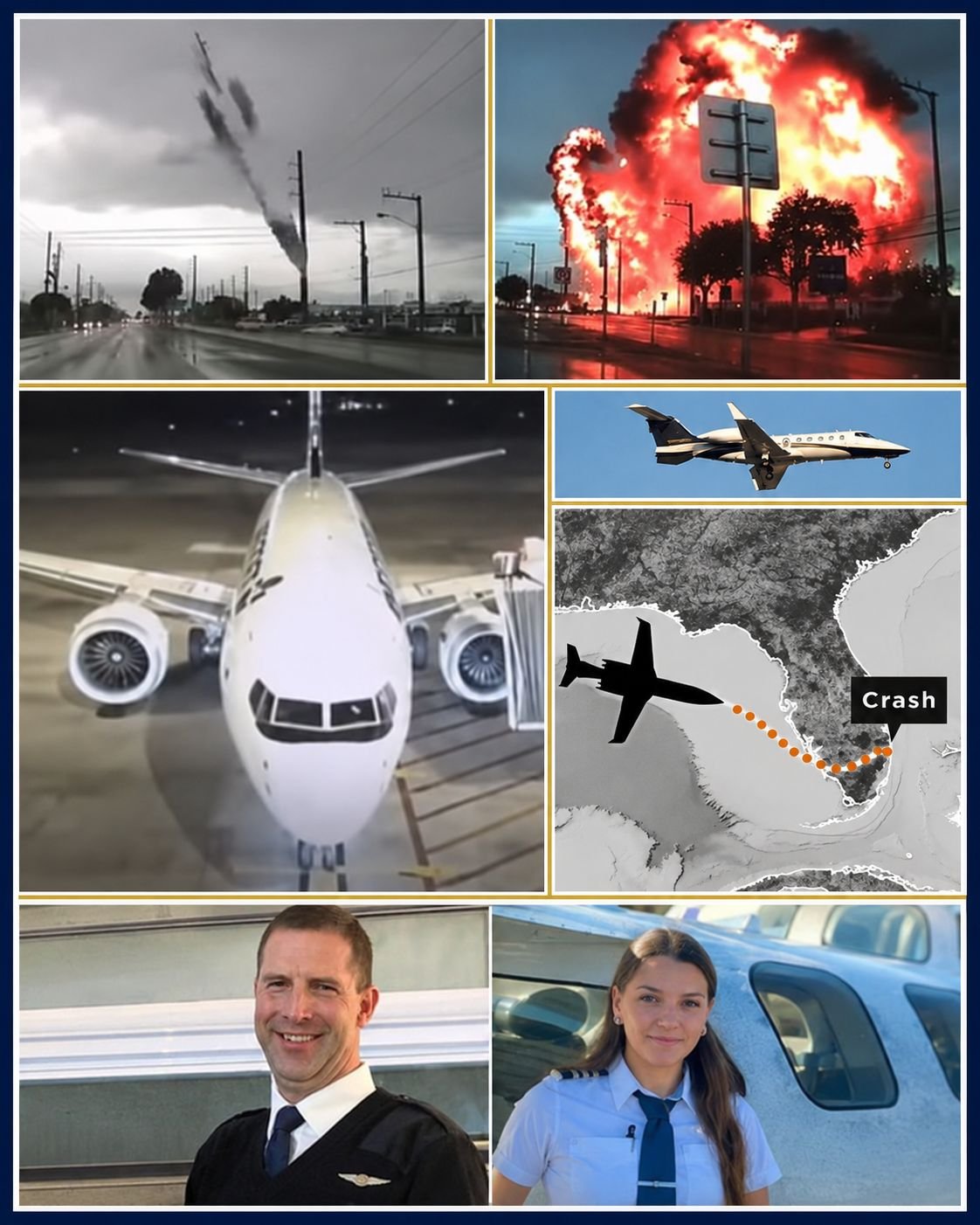
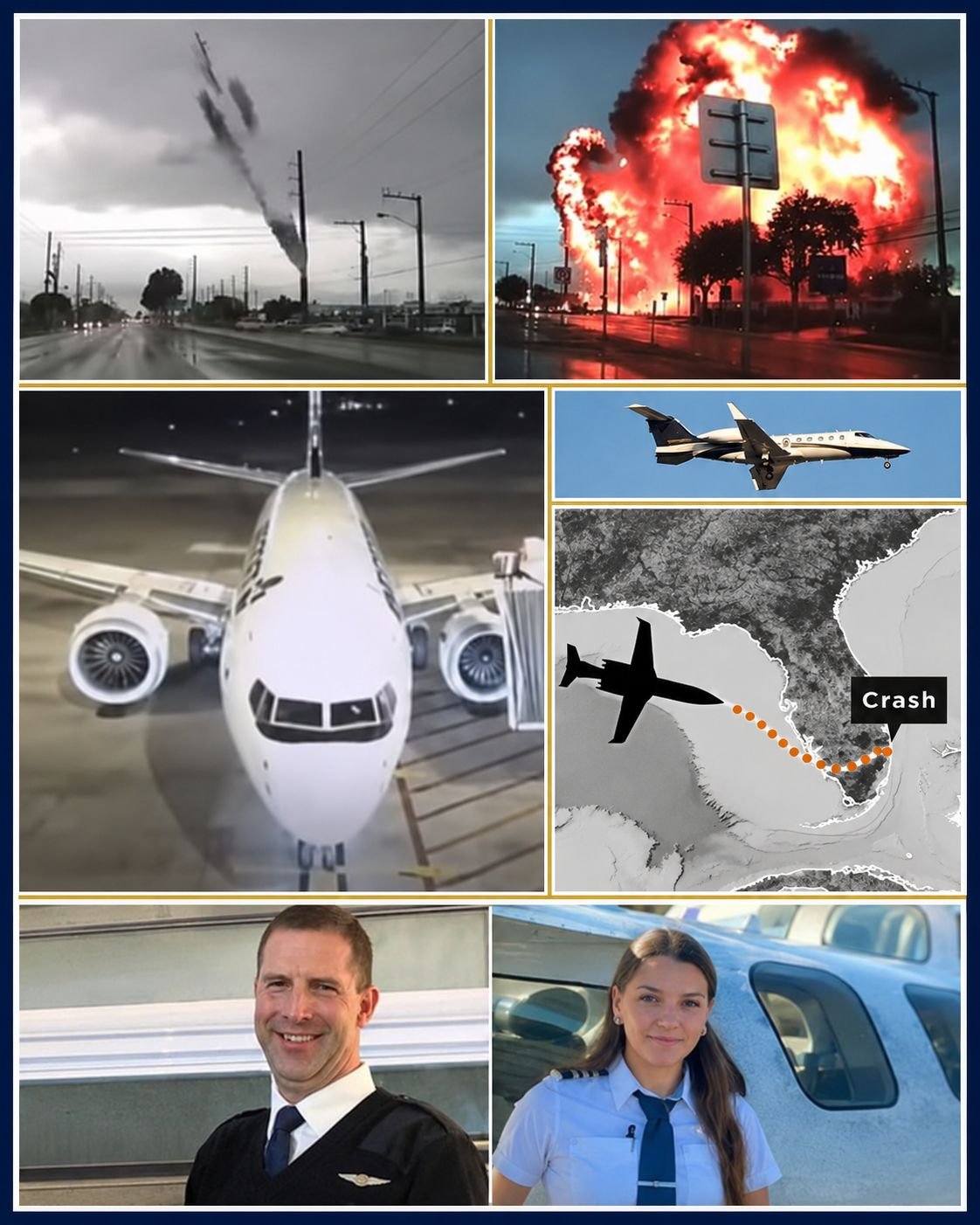
A disturbing claim is now raising a new question surrounding the final radio communications of Learjet 60 N722BD: Could an unidentified transmission have interrupted the aircraft’s normal communication channel shortly before the fatal crash?
The suggestion is chilling. A voice allegedly buried beneath background static. A command that appeared to contradict the flight’s expected route. And one question investigators would need to answer before such a claim could be taken seriously: Was it a genuine transmission, or simply an audio artifact mistaken for something more sinister?
THE VOICE THAT SHOULD NOT BE THERE
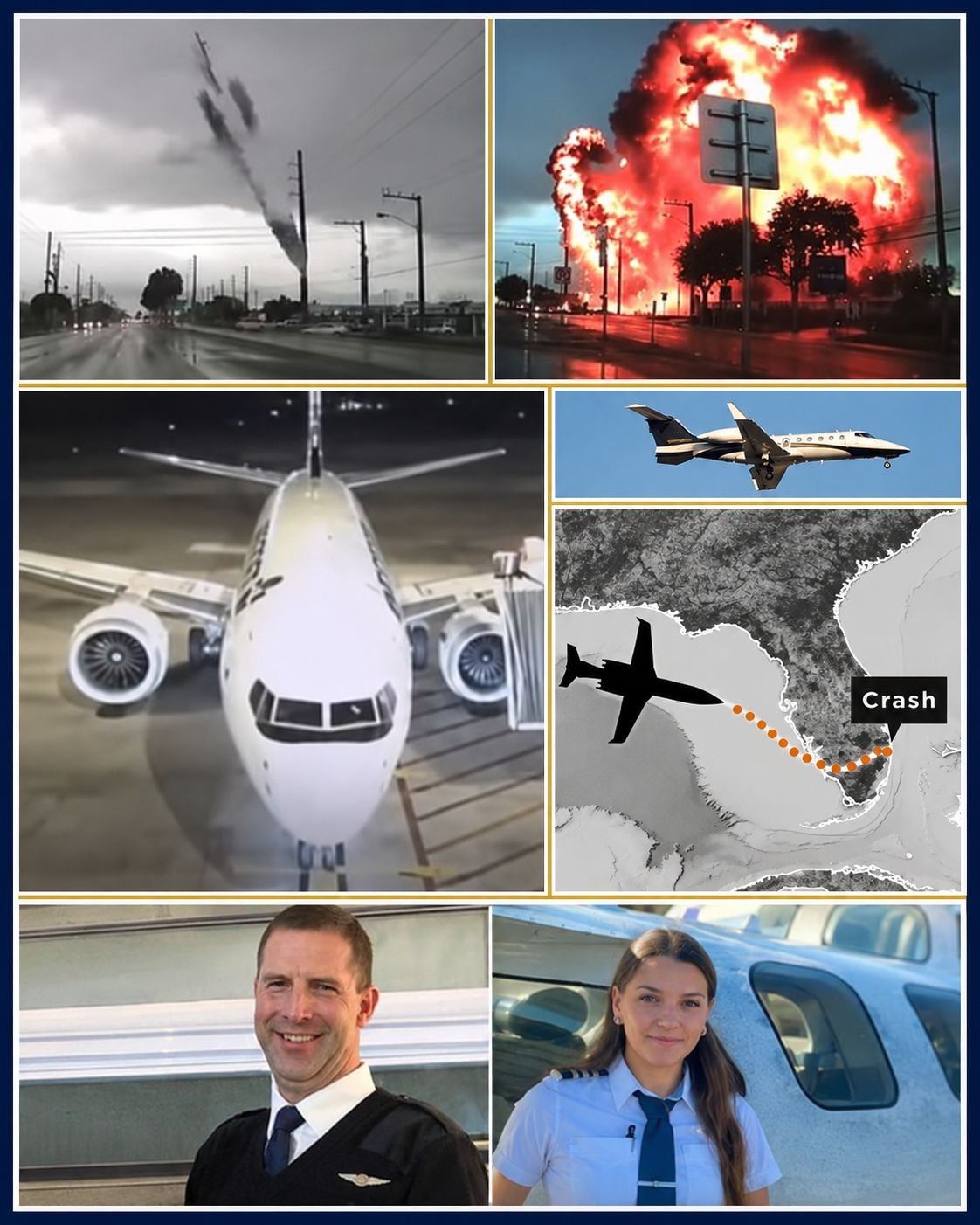
On November 1, 2026, Learjet 60 N722BD was flying from Austin, Texas, toward North Eleuthera in the Bahamas when it encountered increasingly difficult conditions over Florida.
The crew reported light clear icing and moderate turbulence while cruising at approximately 35,000 feet. They requested permission to climb to 37,000 feet, hoping to find smoother conditions.
Air traffic control approved the request.
Less than 30 seconds later, the situation changed dramatically. The crew reported a rapid descent and declared an emergency. Radio communications captured the aircraft’s terrifying final struggle as the descent accelerated.
All nine people aboard were killed when the Learjet crashed near Greenacres, Florida.
Those transmissions are already among the most important publicly available pieces of evidence from the final moments of the flight. But imagine what it would mean if a separate voice had also appeared in the recording.
The alleged phrase — “Do not land in Florida” — would immediately raise questions about who was speaking, which frequency they were using, and whether the transmission was actually directed at Captain Jeffrey Gregory.
At this stage, however, no authenticated recording has established that such a command was transmitted.
COULD AN UNKNOWN VOICE HAVE INTERRUPTED THE FLIGHT?
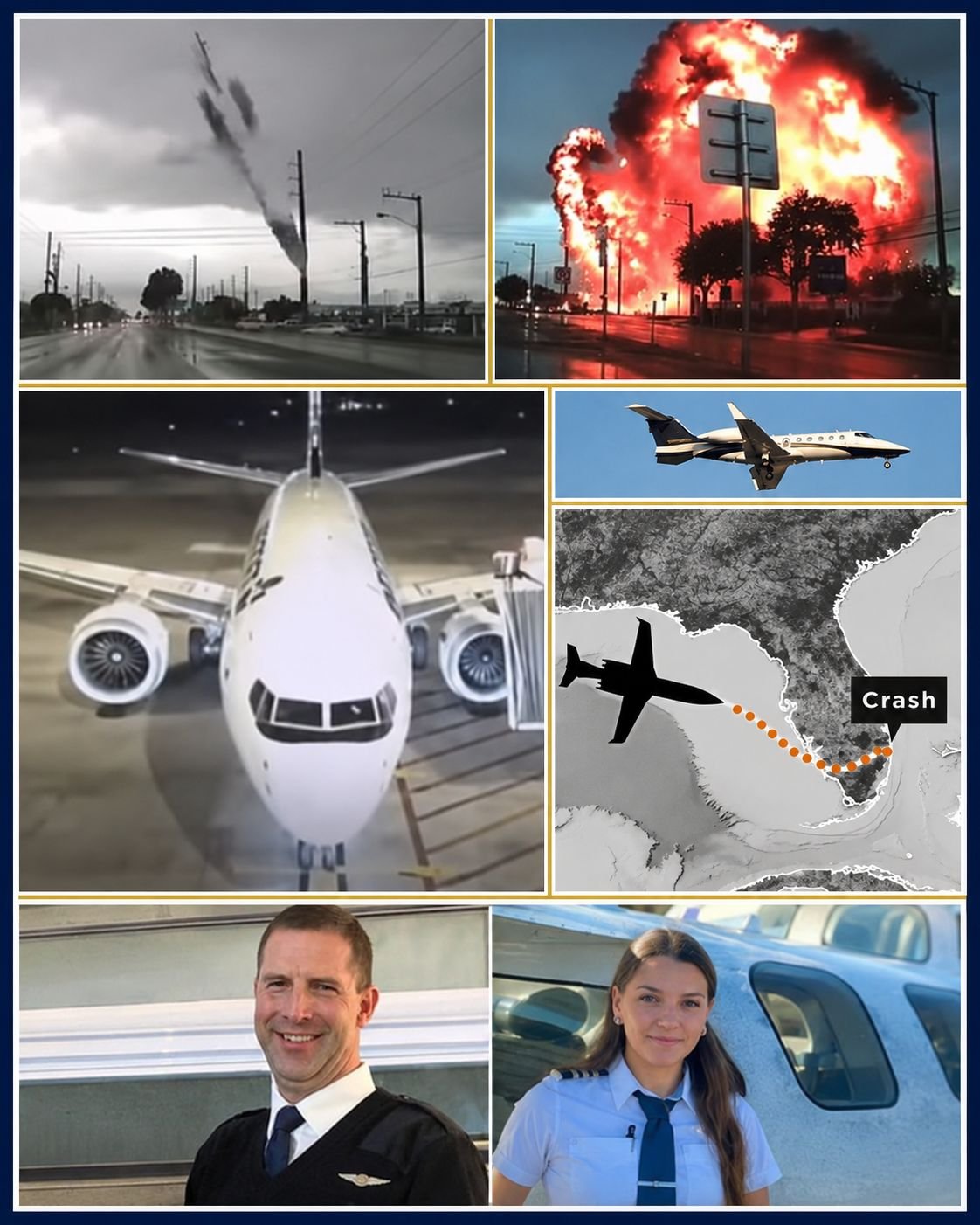
Aviation radio communications are not ordinary telephone conversations. Pilots and air traffic controllers use assigned frequencies, established procedures and identifiable call signs to exchange critical instructions.
A genuine unauthorized transmission could create confusion, particularly if it overlapped with legitimate communications or was mistaken for an instruction from an authorized controller.
But hearing an unfamiliar voice in an audio recording would not, by itself, prove that someone deliberately interfered with the flight.
Investigators would need to establish whether the sound was a real radio transmission, where it originated, when it occurred and whether it could have been received by the aircraft’s crew.
They would also need to determine whether the voice was actually issuing an instruction or whether background interference, overlapping transmissions or audio distortion created the impression of recognizable words.
That distinction could make all the difference.
THE RECORDER THAT COULD HOLD IMPORTANT ANSWERS
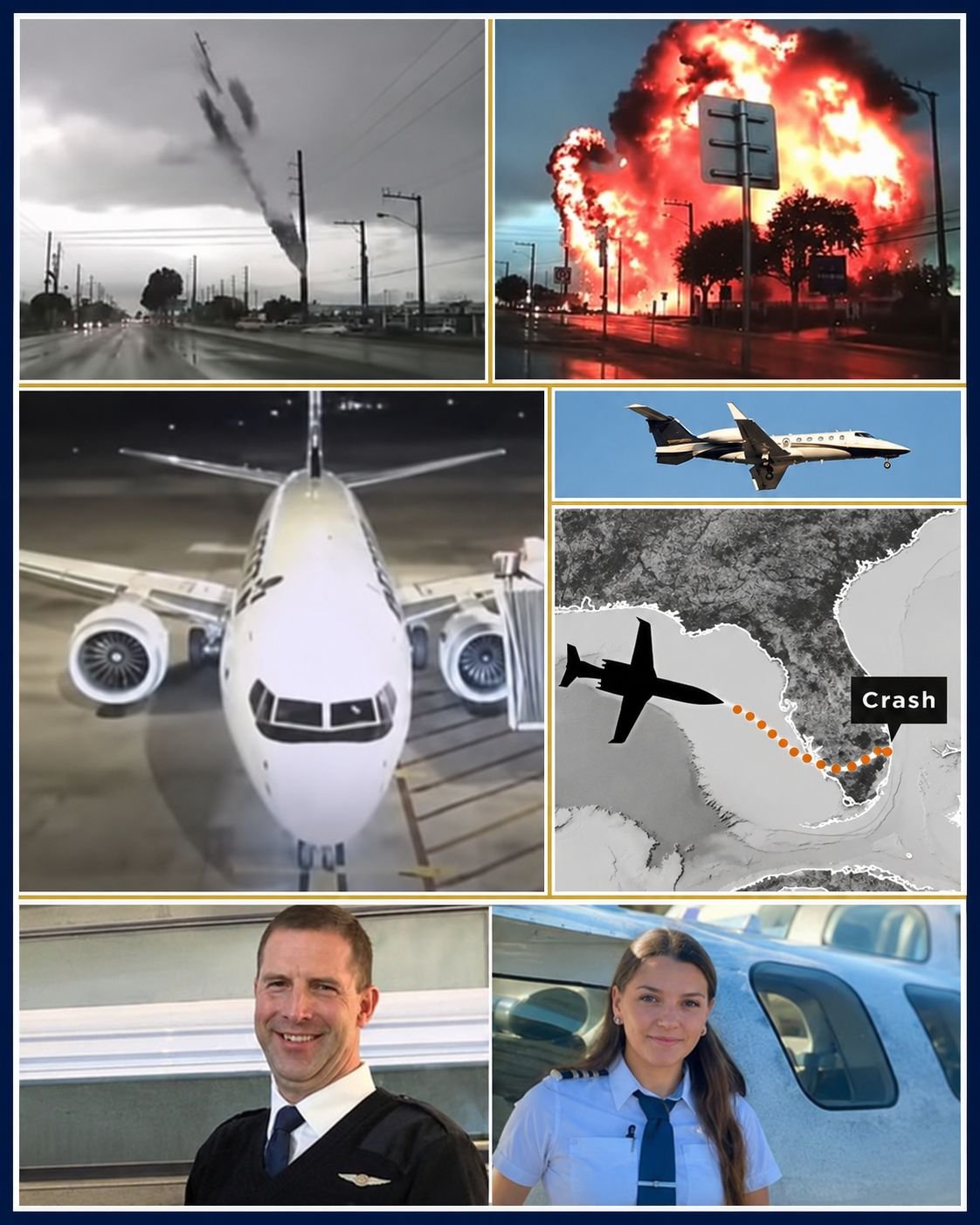
There is one confirmed development that makes the question of the final audio especially important.
On November 9, the National Transportation Safety Board announced that investigators had recovered the Learjet’s cockpit voice recorder from the initial impact site. The device was transported to the NTSB Vehicle Recorders Laboratory in Washington, D.C., for evaluation.
The recovery was significant because the recorder could potentially preserve conversations inside the cockpit, radio communications and other sounds that might help reconstruct the crew’s final moments.
However, its recovery does not mean investigators have confirmed the alleged mystery voice. The NTSB has not publicly released an authenticated transcript establishing that anyone ordered the Learjet not to land in Florida.
There is also an important distinction between the publicly circulated air traffic control recordings and the cockpit voice recorder. The former capture radio exchanges with air traffic control; the latter may provide a much broader picture of what was happening inside the cockpit, if its data is usable.
For now, the contents of the recovered recorder remain a critical unanswered question.
WHO COULD HAVE BEEN TRANSMITTING?
If an unfamiliar voice were eventually authenticated, investigators would need to examine several possibilities.
Was it another aircraft transmitting on the same or an overlapping frequency? Could it have been an authorized controller whose voice was distorted by poor reception? Was the recording affected by interference? Or did someone deliberately transmit without authorization?
Each possibility requires evidence.
Radio-frequency records, the original audio files, timestamps, transmission characteristics and recordings from other receivers could help establish whether the alleged voice was genuine. Investigators would also need to compare the timing of any transmission with the aircraft’s documented flight path and the crew’s communications.
Most importantly, even proof of an unauthorized transmission would not automatically establish that it changed the aircraft’s course or contributed to the crash.
That would require a separate examination of what the pilots actually heard, how they interpreted it and whether it influenced their decisions.
ONE QUESTION REMAINS
The confirmed timeline is already deeply troubling: a report of icing and turbulence, a request for a higher altitude, an emergency declaration and a catastrophic descent in a matter of seconds.
Investigators are also examining recovered aircraft components, including portions of the left elevator found in several pieces away from the main impact site. The significance and sequence of that structural damage remain under investigation.
The alleged voice adds another possible line of inquiry — but it must be authenticated before it can be treated as evidence.
If a genuine unauthorized command was transmitted, identifying its source would be essential. If the sound was merely interference or a misleading interpretation of static, that too must be established.
WHO WAS BEHIND THE UNKNOWN FREQUENCY — AND DID ANYONE IN THE COCKPIT EVER HEAR IT?