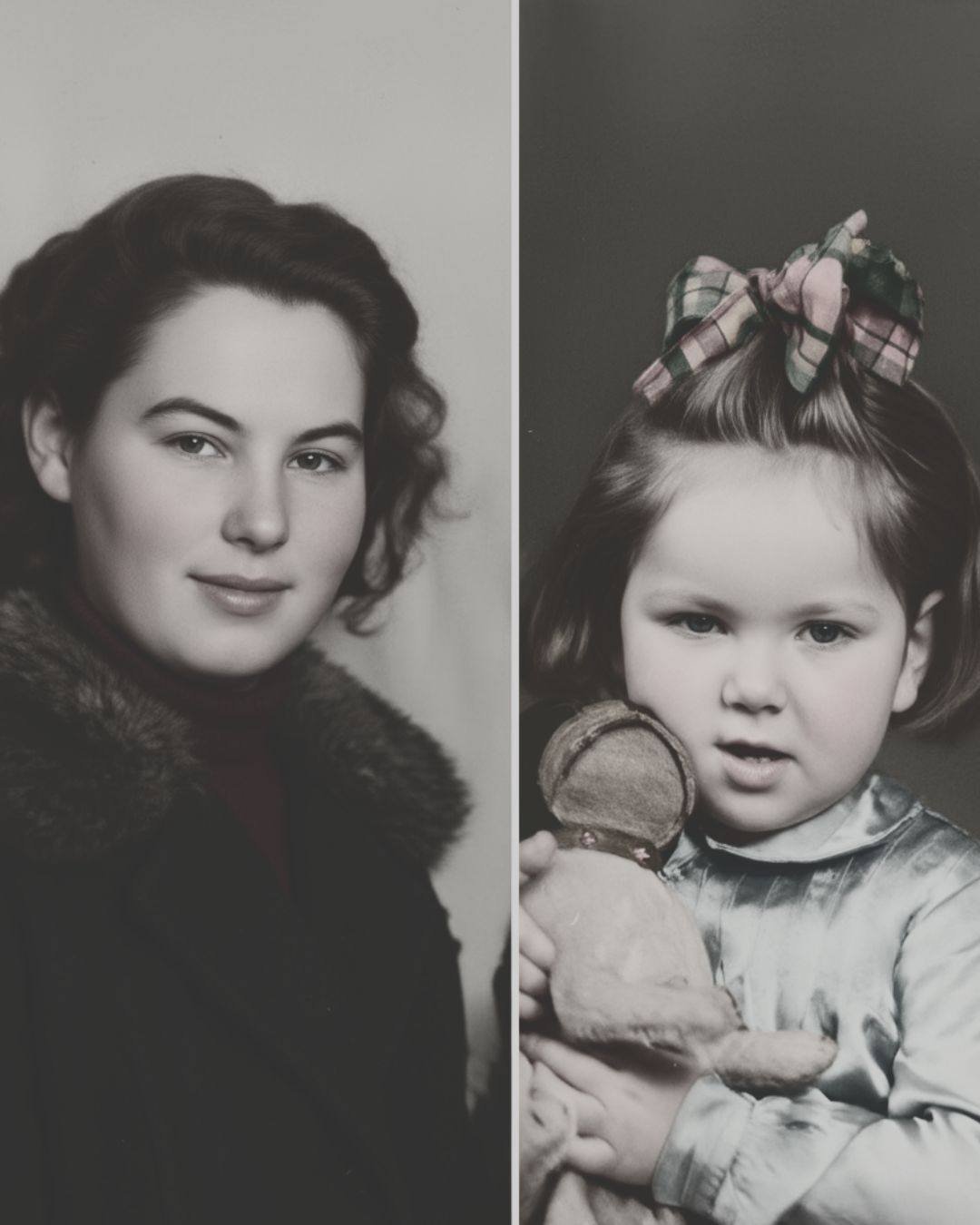
A Mother’s Courage in the Face of Death
The air in the Kovno Ghetto was thick with fear, disease, and despair. In 1943, every day presented a new threat of deportation or execution, and for Jewish families, the smallest mistake could mean death. Gita Wisgardisky, a mother living amidst the nightmare, understood the stakes with chilling clarity. When she gave her three-year-old daughter, Henia, a sedative, wrapped her in a blanket, and placed her inside a large leather suitcase, she was taking a gamble unlike any other. The slightest sound, the faintest motion, or the curiosity of a guard could have ended both their lives. Her heart pounded with each step as she approached the heavily monitored gates, knowing that survival depended on stealth, courage, and unwavering resolve.
Gita did not act impulsively; every move was deliberate, born from careful observation of the ghetto’s layout and the behavior of its armed overseers. She bribed guards with watches, boots, and anything of value to create a slim margin for survival. On that day, as she passed through the gates with Henia, she did not simply save her daughter—she performed a feat of calculated bravery that few could comprehend. Henia, only three, remained in deep sleep, unaware that her mother was about to risk her life multiple times, returning to rescue other children who would otherwise face certain death. This act, repeated dozens of times, would eventually solidify Gita’s place as one of the unsung heroes of Holocaust history.
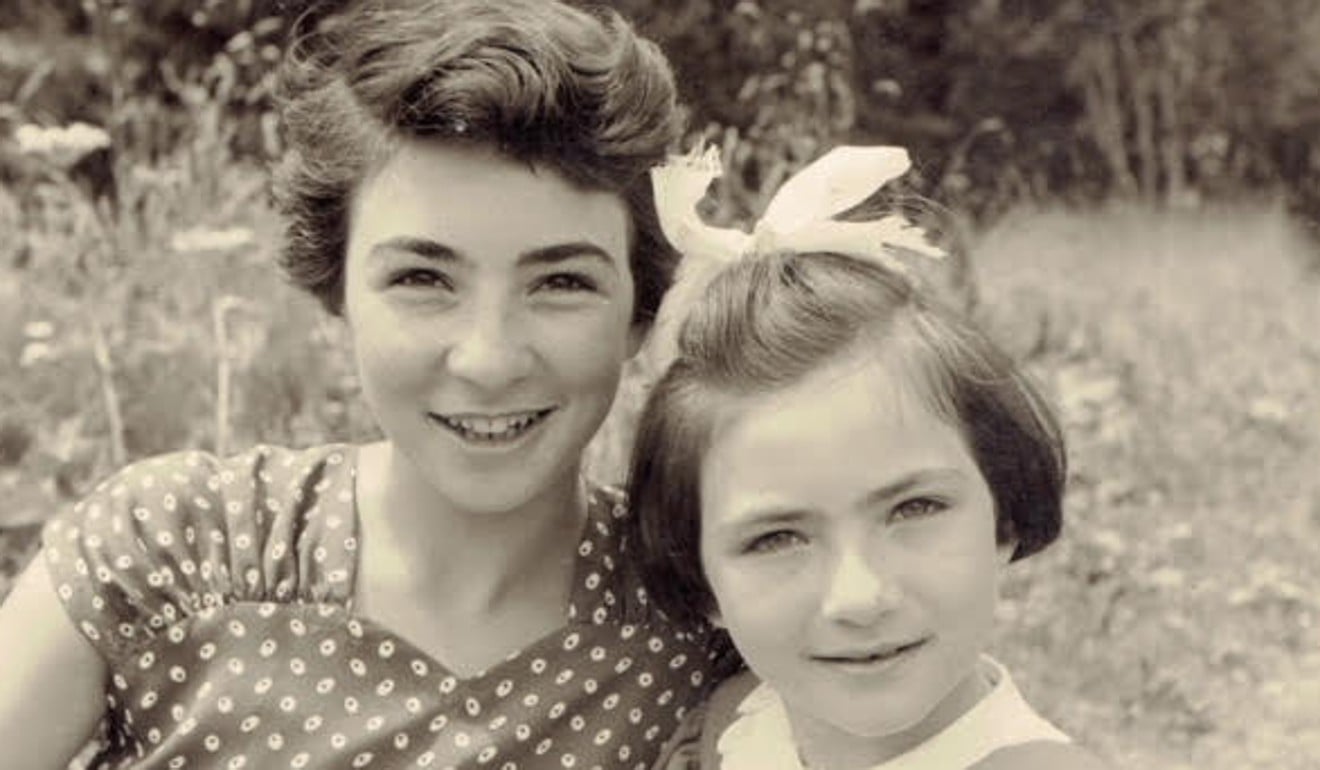
The photograph of Henia, years later, would tell one story—the survival of a single child. But the truth, revealed decades later at Gita’s funeral, painted a far broader and more extraordinary picture. An elderly survivor, long keeping the secret, approached Henia to reveal the scope of her mother’s courage. “Your mother saved so many,” the woman said, her voice trembling with the weight of memory. “No one knows how many. Maybe she didn’t even know herself. She didn’t count them.” In that single statement, the enormity of Gita’s heroism became clear: she had taken countless risks, faced unimaginable fear, and acted selflessly to save lives, without ever seeking recognition or reward.
The Reality of the Kovno Ghetto
Henia was born in 1940 into a loving Jewish family, a childhood that vanished under the brutal realities of Nazi occupation. The Kovno Ghetto was overcrowded, disease-ridden, and plagued by starvation. Parents were torn from their children with alarming frequency, and whispers of the horrors awaiting deported children circulated among the frightened populace. While some residents clung to hope and faith, Gita recognized the dark truth early on: when the Nazis spoke of relocation, they meant death. Waiting passively was not an option; action, however dangerous, was the only path to survival.
Working secretly with a courageous Lithuanian Catholic priest, Gita organized a network of safe homes in the countryside. Kind families willing to hide Jewish children risked their own lives, and transporting children through heavily guarded gates became a task of unimaginable peril. Sedatives, suitcases, and carefully timed bribes became tools in her operation. Each child had to be completely still, silent, and obedient during transit, while Gita navigated the tense, dangerous spaces between the ghetto and the waiting sanctuaries outside. It was a dance of precision, courage, and unrelenting determination, repeated day after day, week after week, until countless lives had been spared.

The First Escape
Henia’s first journey through the gates was emblematic of the strategy and courage that would define her mother’s wartime heroism. Sedated and asleep, she was hidden in the suitcase, trusting instinctively in her mother’s judgment. As Gita approached the guards, she remained calm, offering bribes and moving deliberately, even as every second could have meant death. The gatekeepers, unaware of the child within the leather confines, allowed her passage. Outside the ghetto, Henia was placed in the care of a Christian family who raised her as their own, instilling rules of secrecy and protection that would keep her safe for two years. Despite her young age, she understood enough to keep silent, preserving both her safety and her mother’s operation.
Gita’s bravery did not end there. She returned to the ghetto repeatedly, each trip a calculated risk, rescuing one child after another. Each journey involved sedatives, bribed guards, and careful planning. There were no accolades, no formal recognition, only the quiet knowledge that her actions were the difference between life and death for dozens of children. She moved through fear as fluidly as a shadow, her courage becoming a lifeline in the darkest corners of human history.
The Secret Revealed
For years, Henia believed her mother’s efforts had been a single act of desperation—an extraordinary miracle meant only for her. It was not until Gita’s funeral decades later that the truth emerged. An elderly survivor revealed the magnitude of Gita’s heroism: she had saved countless children, acting selflessly without recording or counting her efforts. The revelation transformed Henia’s understanding of her mother from a protector of one life to a savior of many. In that moment, the small acts of bravery she had observed as a child became part of a vast, almost mythic narrative of resistance and courage.
The survivor’s words emphasized the quiet, unacknowledged nature of these deeds. Gita’s work was not performed for fame or recognition but out of profound compassion and moral clarity. Each life she saved was an act of defiance against the machinery of oppression, a direct challenge to the genocidal regime that sought to annihilate an entire community. Her actions illuminated the extraordinary capacity of ordinary individuals to confront injustice and risk everything to protect the vulnerable.
The Mechanics of Rescue
Gita’s operation required meticulous planning and unwavering nerve. Children had to remain still during transport; the sedative had to be sufficient to induce deep sleep without harm. Suitcases were carefully chosen to fit the children while remaining inconspicuous. Bribes to guards varied from items of value to personal possessions, and each interaction was carefully measured to avoid suspicion. Gita relied on a network of allies, including the Catholic priest and families willing to take in the children, but the risks were always immediate and personal. One misstep could result in execution, discovery, or failure.
The logistics alone highlight the ingenuity and courage required. Gita had to understand both the behavior of the guards and the psychology of the children. Each child, despite young age, was trained in silence and secrecy. The success of the missions required a delicate balance between trust, strategy, and empathy. Gita’s ability to navigate these challenges demonstrates a remarkable combination of intelligence, bravery, and moral determination, ensuring the survival of dozens of lives under conditions that would have overwhelmed most adults.
Surviving the War
Miraculously, Gita, Jonas, and Henia all survived the Holocaust. Their journey did not end with the war; they eventually relocated to the United States, where Henia grew up to become a schoolteacher and a passionate advocate for Holocaust education. The experiences of her early childhood informed her life, guiding her understanding of human courage and the importance of bearing witness. Each year, she shares her mother’s story, emphasizing that memory is a torch passed from hand to hand—a reminder of the potential for extraordinary goodness even amidst the darkest circumstances.
The legacy of Gita Wisgardisky is visible not only in Henia but in the countless lives she saved. Each child who survived went on to grow, form families, and live lives that would have been impossible without Gita’s interventions. The impact of her courage resonates across generations, underscoring the profound influence a single individual can have in altering the course of history for dozens of innocent lives.
The Moral of Memory
Henia’s testimony emphasizes a crucial lesson: acts of courage are sometimes invisible, sometimes silent, but their impact is eternal. Gita never sought recognition, never counted her successes, and never documented her deeds for posterity. Yet her actions shaped the lives of an entire community, offering hope and survival where despair was meant to reign. Her story reminds us that heroism is often found in quiet defiance, in steadfast commitment to protecting others despite immense personal risk.
By sharing these memories, Henia ensures that Gita’s sacrifices are not forgotten. The courage, intelligence, and moral clarity demonstrated by one mother during humanity’s darkest hour serve as an enduring example. They compel us to reflect on our own capacity for empathy, courage, and selflessness, and on the importance of passing these stories to future generations.
Enduring Legacy
The Kovno Ghetto was a place of terror, but Gita’s actions carved out spaces of hope within it. Through careful planning, courage, and relentless determination, she created sanctuaries for children, protected them from unspeakable harm, and ensured their survival. Today, Gita Wisgardisky’s legacy endures through Henia, through the survivors she saved, and through the story itself—a narrative of love, ingenuity, and unyielding moral courage.
Her story reminds us that even in the darkest moments, ordinary individuals can perform extraordinary deeds. The suitcase, the sedative, the calculated bribes, and the repeated journeys through the ghetto were all acts of love manifested in extreme courage. Each life saved is a testament to the power of human resilience, the capacity for selflessness, and the enduring impact one person can have on countless generations.