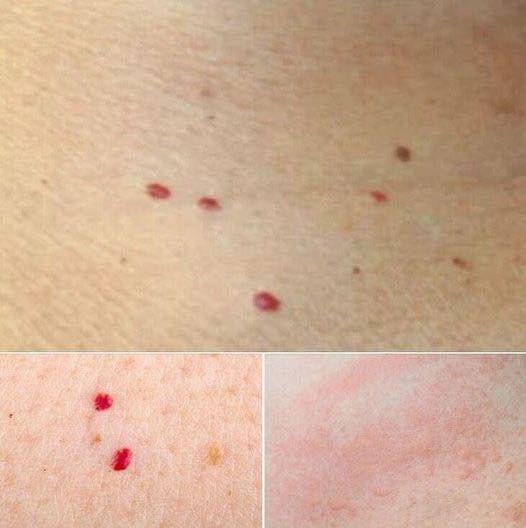
The appearance of a red spot can transform a glance in the mirror into a moment of detective work. Is it new? Is it itchy? Is it spreading? Before jumping to conclusions, it helps to know the usual suspects. Red spots on the skin arise from a surprisingly diverse list of causes, ranging from completely benign to medically significant. Getting familiar with these common reasons can ease anxiety and guide your next steps, whether that’s a trip to the pharmacy or a scheduled visit with your dermatologist. Remember, how these spots look—whether bright red, purple, or accompanied by scaling—offers important clues.
Let’s start with the temporary and situational causes. Heat rash is a summer staple, where blocked sweat ducts lead to small, prickly red bumps in areas prone to sweating. It resolves with cooling measures. Contact dermatitis is an itchy, red reaction to something that touched your skin, from poison ivy to a new cosmetic. Identifying and avoiding the trigger is the core of treatment. Even medications can be a cause; a drug rash can appear as hives or a measles-like rash and requires you to contact the prescribing doctor immediately, as it can sometimes be serious.
Infections are another major category. A fungal infection like ringworm presents as a red, circular, scaly rash that slowly expands. It’s contagious but treatable. Bacterial or viral infections can also cause rashes; for instance, strep throat can lead to fine, red sandpaper-like spots known as scarlet fever. Swimmer’s itch is a specific, short-lived itchy rash caused by parasites in freshwater lakes. These infectious causes often need a specific diagnosis to ensure the correct treatment, whether it’s an antifungal cream or an antibiotic.
Then we have conditions related to the body’s own systems. Cherry angiomas and purpura involve blood vessels. The former are harmless red bumps, while the latter are purple spots from bleeding under the skin that may signal a clotting issue. Autoimmune or inflammatory conditions like psoriasis, eczema, and lichen planus cause persistent, often itchy rashes. Psoriasis shows as thick, scaly red plaques. Eczema appears as dry, inflamed patches, often in folds. Lichen planus manifests as flat-topped, purple, itchy bumps. These are chronic issues managed with prescription creams, lifestyle changes, and sometimes systemic medications.
Finally, we have common skin issues like acne, which causes red, inflamed pimples, and pityriasis rosea, a harmless temporary rash that often starts with a single “herald patch.” The key takeaway is observation. Note the spot’s characteristics: size, shape, itchiness, and any other symptoms like fever. While home care works for heat rash or mild acne, other causes need a professional eye. Any rash that is severe, rapidly worsening, or accompanied by systemic symptoms like fever or joint pain is a clear sign to seek medical attention. Your skin’s health is a priority, and understanding these common causes is a powerful tool for maintaining it.