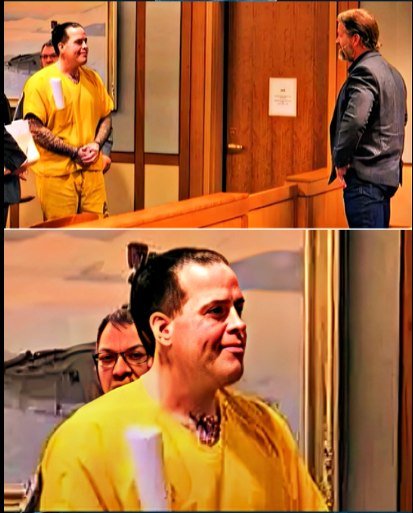
Some stories force us to sit with discomfort, and the tale of Jason is one of them. From the frozen expanses of Alaska comes an account of a man who traded his liberty for a principle, however misguided his methods. Jason, a survivor of profound childhood abuse, evolved into a vigilante who used the very tools of public safety—the offender registry—to hunt those he deemed a threat. His campaign, carried out with a hammer and grim determination, ended with his conviction and a lengthy prison term. Yet, his calm smile in court suggested he saw himself not as a convict, but as a casualty in a war he felt compelled to fight, challenging us to ponder the true nature of justice and sacrifice.

Jason’s formative years were a textbook of trauma. He and his brother endured neglect and abuse in a home that offered no refuge. This experience did more than wound him; it shaped his entire worldview. It taught him that the vulnerable are often left undefended, and that anger can be a motivating force. As an adult, observing what he perceived as leniency or failure in the judicial system toward child abusers, that anger found a direction. The public registry, intended for awareness, became for Jason a map for retribution and a misguided form of prevention.
He embarked on a solitary, dangerous path. Jason’s actions were premeditated and violent. He would force his way into the homes of registered offenders, confronting them directly. In his mind, he was delivering a tangible consequence they had otherwise avoided, and more importantly, he was physically preventing them from reoffending. This was a deeply personal mission, an attempt to rewrite the script of his own childhood by intervening in the potential stories of others. The violence culminated in a severe assault during one break-in, an act that underscored the dangerous reality of his self-made justice.
The state’s response was unequivocal. Jason was arrested and put on trial for his crimes. The public discourse around his case was heated and divided. Some viewed his actions through the lens of his trauma, seeing a desperate man trying to do good. Others saw only a dangerous criminal taking the law into his own hands. For Jason, the trial was less about disputing facts than about context. He did not deny what he did; he questioned a system that, in his eyes, made his actions feel necessary to someone with his history.
When the judge pronounced the 23-year sentence, Jason’s reaction was telling. He smiled at his brother, a man who shared his painful history. That smile was a complex signal—of understanding, of a shared burden, and of a tragic, costly victory. Jason walked into prison believing he had made a difference, even if no one else agreed with his methods. His story lingers as a difficult parable about the consequences of trauma and the perilous allure of becoming both judge and jury in a world that feels unjust.