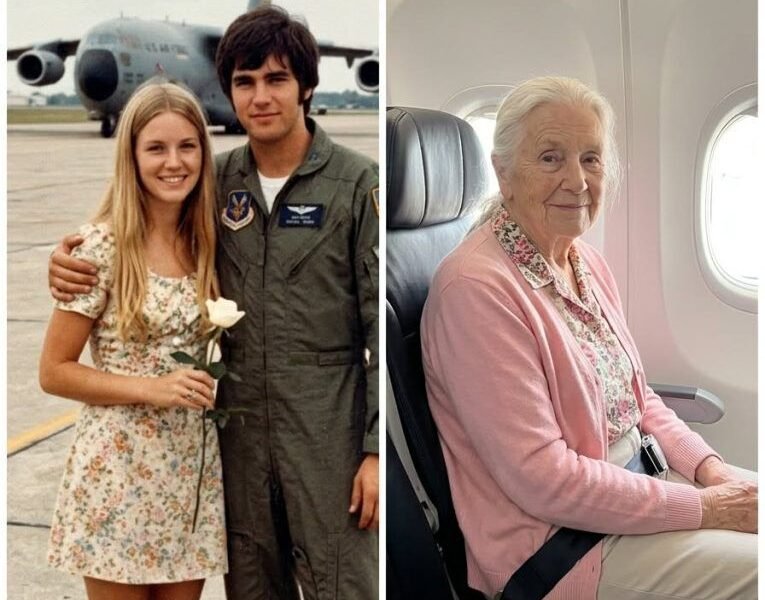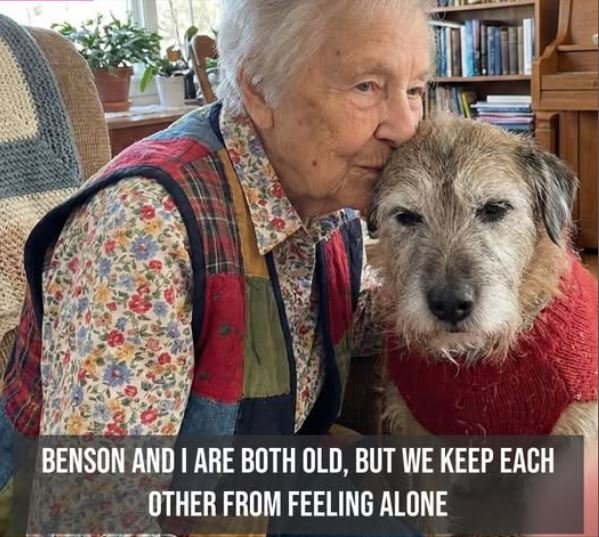
In a small, sunlit room at an animal shelter, a century of life met fourteen years of loyalty, and a tired old dog found his saving grace. Margaret, defying every conventional expectation about age and capability, had come to adopt. She was not looking for a puppy. She was looking for a peer. Her gaze fell on Benson, a senior dog whose own family had surrendered him, considering his age a terminal diagnosis. Their loss became Margaret’s profound gain, initiating a bond that would redefine the meaning of companionship for both.
Benson’s road to that shelter is a stark narrative of love withdrawn when it was needed most. Having been a faithful companion for over a decade, his senior status made him disposable in the eyes of those he trusted. The shelter, however, intervened, believing he deserved a peaceful finale. They could not have imagined a more perfect candidate than Margaret. She saw in his greying face not a burden, but a shared history. She understood the dignity of old age and had the patience and compassion to honor it.
From the first touch, a deep understanding passed between them. Benson, perhaps sensing a kindred spirit, offered his trust without reservation. For Margaret, his calm presence was a gift. She welcomed him into her home, outfitting it with soft beds and establishing a routine of gentle care. Benson responded by becoming her shadow, a constant, comforting presence. His needs gave structure to her days; her devotion gave him security. What began as an act of adoption blossomed into a symbiotic relationship, each filling a void the other carried.
This partnership challenges our deepest biases about aging. It questions why we so often equate advanced years with incapacity or undesirability. Margaret, with her unwavering decision, demonstrates that the capacity to love and nurture does not retire. Simultaneously, Benson’s story advocates for the countless senior animals in shelters who are passed over, reminding us that older pets offer a wealth of calm love and gratitude. They are not projects, but companions.
Margaret and Benson have crafted a sanctuary in each other. Their story is not one of dramatic rescue, but of quiet, mutual salvation. In the golden light of their shared afternoons, they have found a profound peace. They teach us that the richest connections are sometimes forged not in the blaze of youth, but in the warm, steady embers of later life, where time seems to slow down just enough to appreciate the simple, vital comfort of not being alone.