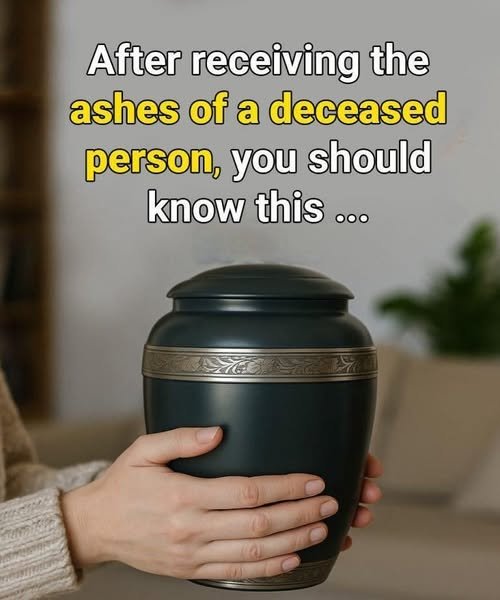
In the landscape of loss, the desire to keep a loved one close can be powerful. For a growing number of families, this means choosing to keep cremation ashes at home. An urn becomes a centerpiece of memory, a dignified and quiet witness to a shared life. This choice is deeply intimate, reflecting a need for continuity and comfort. However, it’s a decision that also invites us to reflect on broader questions of spirituality, emotional health, and what it means to honor a life well-lived.
Various religious teachings provide frameworks for this decision. Mainstream Christian views, including those of the Catholic Church, have become more accepting of cremation but generally advise that ashes be given a final resting place in a consecrated environment. This guidance stems from a reverence for the human body and a desire for a communal, sacred space for remembrance. Other personal spiritual paths might emphasize the cycle of nature, seeing value in returning ashes to the earth as a symbol of release and renewal. Understanding these perspectives can help families make a choice that feels spiritually aligned and respectful.
Emotionally, the presence of ashes can be a double-edged sword. In the immediate aftermath of a death, it can provide a crucial sense of stability and nearness. For an elderly person who has lost a lifelong partner, seeing a carefully placed urn can combat loneliness and offer a point for conversation and reflection. Yet, grief counselors note that it’s important to monitor whether this presence supports movement through grief or prevents it. Healing is an active process, and sometimes the most loving step forward is to transition the ashes to a final resting place, creating a different kind of closure.
Practicality is another essential guide. The urn itself is a permanent fixture, so its selection—considering material, design, and stability—matters. Families should also discuss and document their long-term intentions. What feels right today may change for future generations, so clear instructions can prevent conflict or confusion. Additionally, for those considering eventual scattering, a call to local authorities or a funeral home can clarify regulations, ensuring the act is both meaningful and permitted.
Choosing to keep ashes at home is, at its core, an act of love. It is valid if it brings you solace. The journey through grief is unique, and there is no timeline or single correct destination. By balancing your heart’s needs with thoughtful consideration of spiritual views and practical realities, you can arrive at a decision that offers genuine peace. Whether the ashes remain in your care or are committed to a garden or sea, the love they represent remains unbroken, a quiet constant in the story of your life.